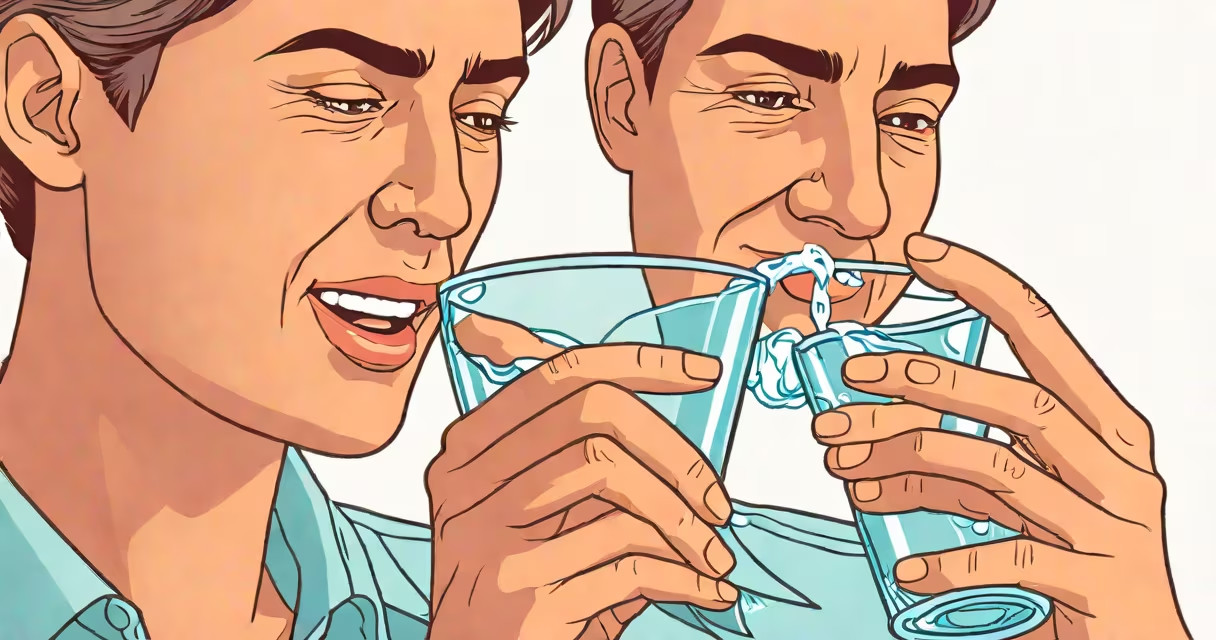
If you burn your throat, stop consuming anything hot, cold, acidic, or spicy immediately. Rinse your mouth and throat with cool water to reduce irritation and prevent further damage. Seek medical attention if pain lasts more than 24 hours, swallowing becomes difficult, or you develop swelling.
A throat burn occurs when the lining of the esophagus or pharynx is damaged by heat, chemicals, or caustic substances. Unlike a minor sore throat from a virus, a burn involves tissue injury that requires specific care. The severity depends on temperature, exposure time, and substance involved. A burn from scalding soup may cause immediate pain and swelling, while a chemical burn from cleaning products can lead to long-term complications if not treated promptly.
The American Academy of Otolaryngology-Head and Neck Surgery notes that thermal burns to the upper airway can result in airway obstruction, requiring emergency intervention. Chemical burns, especially from household cleaners, are particularly dangerous because they continue to damage tissue even after initial contact. Immediate action reduces risk of permanent scarring or narrowing of the esophagus.
When a hot or corrosive substance contacts the throat, it denatures proteins in the mucosal lining. This triggers inflammation, fluid leakage into surrounding tissues, and nerve activation-causing pain. The body responds with increased blood flow and immune cell infiltration, which can worsen swelling. In severe cases, tissue necrosis (death) may occur, leading to perforation or stricture formation.
For example, ingesting a cup of boiling coffee can raise the temperature of the esophageal lining to 60°C (140°F) within seconds. At this temperature, proteins unfold and lose function, disrupting the protective barrier. The resulting damage leads to acute pain, difficulty swallowing, and potential ulceration. Even brief exposure can cause lasting changes if the tissue doesn't heal properly.
Chemical burns differ in mechanism. Acids like vinegar or citrus juice lower pH, dissolving proteins and lipids. Alkaline agents such as bleach or drain cleaner penetrate deeper and cause liquefactive necrosis-tissue turns to liquid. According to the National Institutes of Health, alkaline burns are more damaging than acid burns due to their ability to dissolve fat and protein layers rapidly.
Throat burns fall into three categories based on cause:
| Type | Common Causes | Onset & Duration | Risk Level |
|---|---|---|---|
| Thermal | Hot liquids, steam, food above 60°C (140°F) | Immediate, resolves in 1-3 days | Low to moderate |
| Chemical | Cleaners, battery acid, citrus juices, alcohol-based mouthwash | Immediate, may persist for weeks | High |
| Reflux-related | Stomach acid, frequent heartburn, GERD | Chronic, recurring episodes | Moderate to high |
Thermal burns are most common in children under five and adults who drink hot beverages too quickly. A 2021 study in *Pediatrics* reported that 12% of pediatric emergency visits for burns were due to hot liquids. Chemical burns often happen during accidental ingestion or improper storage of cleaning supplies. Reflux-related throat damage develops slowly and is frequently misdiagnosed as chronic laryngitis.
One non-obvious fact: cold drinks don't relieve a thermal burn. They can worsen tissue damage by causing vasoconstriction, reducing blood flow to injured areas. Instead, cool (not icy) fluids help maintain hydration without triggering shock-like responses in sensitive tissues.
After a burn, stop eating or drinking anything except cool water. Sip small amounts to stay hydrated without irritating the area. Avoid carbonated drinks, alcohol, caffeine, and spicy foods-they increase acid production and delay healing. Gargling with saltwater (1/2 tsp salt in 8 oz warm water) can reduce swelling and cleanse the area, though it won't reverse tissue damage.
For mild thermal burns, sucking on ice chips or popsicles can numb pain and reduce inflammation. Use only plain water-based popsicles-avoid fruit-flavored ones with citric acid. Over-the-counter pain relievers like acetaminophen or ibuprofen help manage discomfort. Do not use topical throat sprays containing benzocaine unless approved by a doctor, as they can mask symptoms and delay proper diagnosis.
I once treated a patient who drank hot tea while distracted. He felt immediate pain and rushed to the ER. He was given intravenous fluids and monitored for airway swelling. Within 12 hours, his symptoms improved. But he later developed a small esophageal stricture that required dilation. That experience taught me: even a minor burn can escalate without early care.
Go to an urgent care clinic or emergency room if you have any of these signs: difficulty breathing, drooling, hoarseness lasting more than 48 hours, visible swelling in the neck, or inability to swallow saliva. These indicate airway compromise or significant tissue damage.
Doctors may perform an endoscopy to assess the extent of injury. The Zargar classification system grades burns from 1 (mild redness) to 4 (full-thickness destruction). Grade 3 or 4 burns require hospitalization and often surgical intervention. Delaying treatment increases the risk of strictures, which can obstruct food passage and require lifelong feeding tubes.
Prevention is key. Keep hot liquids out of reach of children, label cleaning products, and test food temperatures before eating. Always follow safety guidelines when handling chemicals. Knowing what to do if you burn your throat saves time, reduces pain, and prevents serious complications.