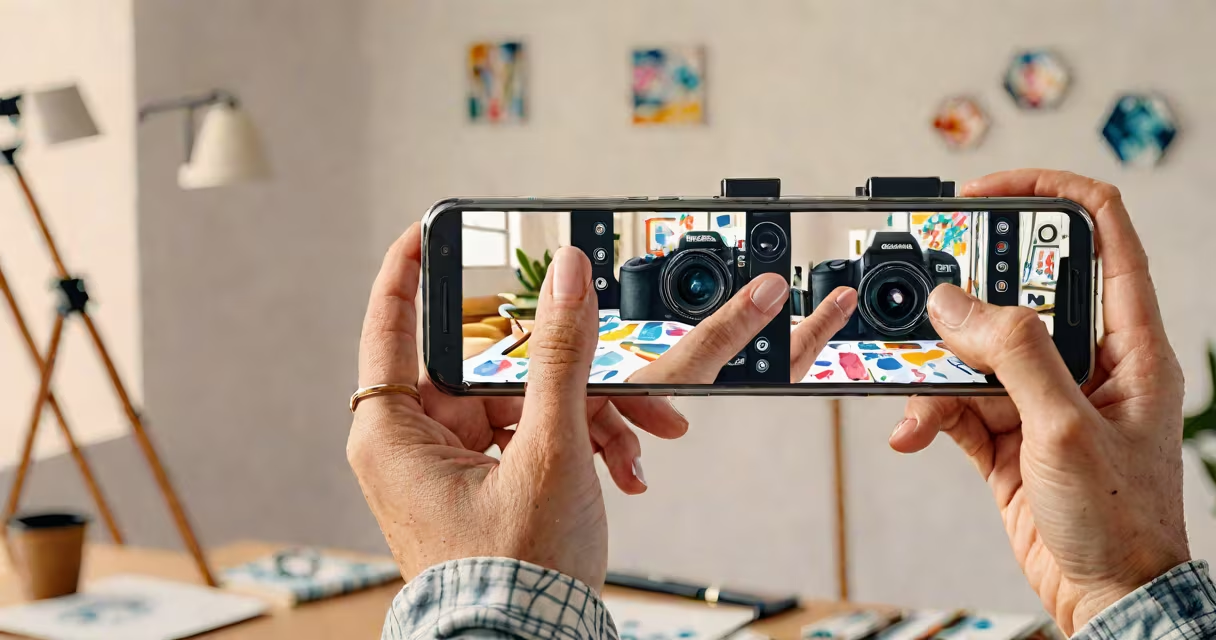
A digital content creator produces original videos, images, audio, or written material distributed through online platforms such as YouTube, Instagram, TikTok, or blogs. They generate content for public consumption, often building personal brands around niche topics like fitness, tech reviews, or lifestyle vlogging.
These creators operate independently or under media companies, using tools like smartphones, editing software, and analytics dashboards to produce and track performance. Their work spans entertainment, education, promotion, and advocacy, reaching global audiences through algorithms and sharing networks.
Content creators are distinct from traditional media producers because they control their own distribution, audience engagement, and revenue models. Unlike journalists or filmmakers who follow institutional workflows, digital creators often work solo, set their own schedules, and respond directly to viewer feedback.
They begin by identifying a topic or theme-such as sustainable fashion, coding tutorials, or home cooking-and develop consistent formats to attract and retain viewers. A successful creator maintains a regular posting schedule, uses platform-specific features (like Instagram Reels or YouTube Shorts), and optimizes titles, thumbnails, and hashtags for visibility.
Behind the scenes, they manage equipment (cameras, microphones, lighting), edit footage using software like Adobe Premiere Pro or CapCut, and analyze metrics via platform insights. For example, a YouTuber might review video retention rates to determine which segments lose attention, then adjust pacing or visuals accordingly.
Creators also engage directly with followers through comments, live streams, or community posts. This interaction builds trust and loyalty, turning passive viewers into active fans. One study by Pew Research Center found that 68% of U.S. adults aged 18-29 follow at least one content creator on social media, highlighting the reach of this format.
Creators fall into categories based on medium, focus, and business model. The most common types include:
| Type | Platform Focus | Content Format | Monetization Path |
|---|---|---|---|
| Video Blogger (Vlogger) | YouTube, TikTok | Personal narratives, daily life, commentary | Ad revenue, sponsorships, merchandise |
| Micro-Influencer | Instagram, Pinterest | Visual storytelling, product showcases | Brand deals, affiliate links |
| Podcaster | Spotify, Apple Podcasts | Audio interviews, narrative series, educational episodes | Listener donations, Patreon, brand integrations |
| Writer/Editor | Blogs, Substack, Medium | Long-form articles, opinion pieces, newsletters | Subscriptions, ads, paid content |
Not all creators aim for fame. Some focus on building small, dedicated communities. For instance, a creator on Reddit's r/AskHistorians might share detailed, research-backed explanations of historical events, earning respect rather than views.
Contrary to popular belief, success doesn't require viral hits. According to a 2023 report by Tubular Insights, 70% of top-performing YouTube channels have fewer than 100,000 subscribers but maintain high engagement and consistent income through memberships and sponsorships.
Organizations use digital content creators to humanize brands, explain complex ideas, and drive traffic. A tech company launching a new app might partner with a YouTuber known for clear, step-by-step guides to demonstrate features in real-world settings.
Nonprofits use creators to promote causes. The World Wildlife Fund collaborated with environmental influencers on TikTok to share facts about deforestation, resulting in a 40% increase in campaign video views compared to standard ads.
Creators also serve as cultural barometers. During the 2020 pandemic, many shifted to documenting remote life, mental health struggles, and home-based learning. These raw, unfiltered accounts helped normalize conversations around isolation and resilience.
Many assume that being a digital content creator means constant visibility or instant fame. In reality, most spend months refining their craft before gaining traction. One creator I followed on Instagram spent nearly a year posting daily reels about plant care before hitting 10K followers. Her breakthrough came not from virality but from consistency and niche targeting.
Another myth is that creators earn large sums quickly. While top earners like MrBeast make millions annually, the average YouTuber earns $3-$5 per 1,000 views. At 100,000 views, that's $300-$500-far below the $10,000 monthly income some portrayals suggest.
Also, "content creator" is not synonymous with "influencer." Influencers typically have large followings and sell products, while creators may prioritize authenticity over reach. A person making handmade jewelry videos on YouTube isn't necessarily trying to influence purchases-they're sharing a skill and process.
Consider "The Sustainable Kitchen," a YouTube channel launched in 2021 by Maya Chen, a former chef turned eco-conscious home cook. She began posting weekly videos on reducing food waste using everyday ingredients.
Her first video-"Make Soup from Your Leftover Vegetables"-had 1,200 views. She refined her editing style, added subtitles, and included recipe cards in the video description. By month six, she had 15,000 subscribers and began receiving sponsorship offers from zero-waste brands.
She now earns $2,000/month from ad revenue and brand partnerships, funds a local food recovery program, and hosts virtual workshops. Her success stems from specificity: she didn't try to cover all of sustainability-just kitchen waste. That focus attracted a loyal audience seeking practical solutions.
This example shows that a digital content creator doesn't need a massive following to create impact. Consistency, clarity, and purpose matter more than scale.
Understanding what is a digital content creator reveals a diverse field shaped by creativity, strategy, and audience connection. Whether crafting a 15-second TikTok or producing a documentary-length YouTube series, their work reshapes how people access information, entertainment, and inspiration.