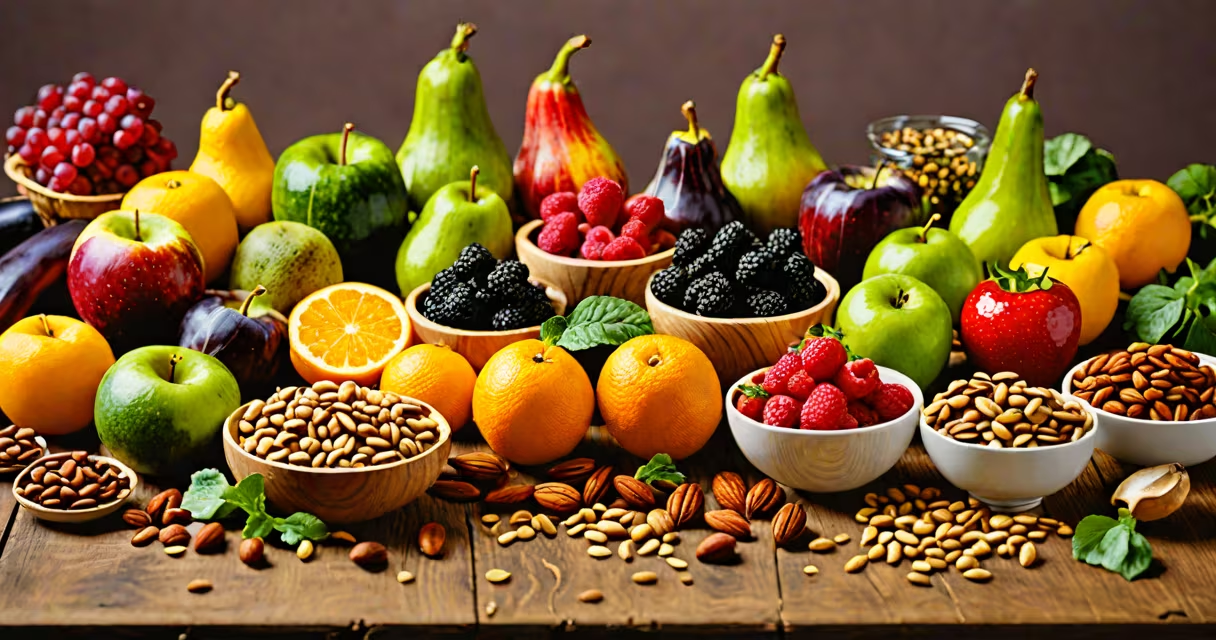
Raw vegan means consuming only uncooked, unprocessed plant foods at temperatures not exceeding 118°F (48°C), with no animal products. This diet avoids cooking, pasteurization, refining, and artificial additives to preserve enzymes and nutrients.
The concept originated in the late 19th century with the natural hygiene movement, which promoted living foods as essential for vitality. Modern raw veganism evolved from this foundation, emphasizing whole, seasonal, and biologically intact foods. It is distinct from standard veganism, which excludes animal products but allows cooked meals.
According to the Academy of Nutrition and Dietetics, a well-planned vegan diet supports health at all life stages. However, raw vegan diets require careful attention to ensure adequate intake of vitamin B12, iron, calcium, omega-3 fatty acids, and protein-nutrients often less bioavailable in uncooked forms.
Raw vegans rely on foods that remain unheated to maintain enzymatic activity and heat-sensitive nutrients. Enzymes such as amylase, lipase, and protease degrade above 118°F, reducing digestive efficiency. Proponents argue that preserving these enzymes improves nutrient absorption and reduces metabolic strain.
Common preparation methods include soaking, sprouting, dehydrating, blending, and fermenting. For example, soaked almonds are blended into almond milk, and sprouted lentils are used in salads. Dehydrated foods like kale chips or fruit leather are typically dried at low temperatures (around 105-115°F) to remove moisture while keeping the food raw.
A 2020 study published in *Nutrients* found that raw foodists had higher levels of certain antioxidants like glutathione compared to omnivores, though they also showed lower serum levels of vitamin B12 and vitamin D. This highlights the trade-offs inherent in extreme dietary restriction.
Raw vegan diets center on whole, minimally processed plant foods. The following categories form the foundation:
| Food Type | Examples | Key Nutrients |
|---|---|---|
| Fruits | Apples, bananas, berries, mangoes | Vitamin C, potassium, fiber |
| Vegetables | Leafy greens, cucumbers, carrots, zucchini | Calcium, magnesium, folate |
| Nuts and Seeds | Almonds, walnuts, chia, flax, hemp | Omega-3s, healthy fats, protein |
| Dried Fruits | Raisins, dates, apricots | Sugar, iron, fiber |
| Herbs and Spices | Basil, turmeric, ginger, garlic | Antioxidants, anti-inflammatory compounds |
Processed foods like nut cheeses, raw pasta, and chocolate made from cacao butter and raw agave are common. These are created using dehydration and fermentation rather than heating. A typical day might include a green smoothie for breakfast, a salad with sprouted quinoa and avocado for lunch, and a raw zucchini noodle dish with cashew-based sauce for dinner.
One non-obvious fact: many raw vegans consume fermented foods like sauerkraut or kimchi, which are not technically raw because they undergo bacterial fermentation. However, since the process occurs at room temperature and does not involve heat, they are still considered acceptable within the diet's structure.
People adopt raw veganism for health, environmental, ethical, or spiritual reasons. Some report increased energy, clearer skin, and reduced inflammation. Others cite weight loss and improved digestion as outcomes.
A 2018 study in *The Journal of Environmental and Public Health* analyzed 120 individuals on long-term raw food diets. Participants reported an average 15% reduction in body fat over two years, with improvements in blood pressure and cholesterol markers. However, 30% experienced micronutrient deficiencies, particularly vitamin B12 and iron, requiring supplementation.
Despite anecdotal success stories, medical professionals caution against prolonged adherence without monitoring. The American Council on Exercise notes that extreme diets can lead to muscle loss and hormonal disruption, especially in athletes or those with high physical demands.
One personal observation: during a three-week trial of a raw vegan diet, I experienced initial fatigue and brain fog. By the second week, energy stabilized. My bowel movements became regular, and my skin cleared. But after 21 days, I noticed decreased strength during resistance training. I resumed cooked plant foods and reintroduced supplements, including B12 and iodine, to restore balance.
Raw veganism is often conflated with other diets. It is not synonymous with standard veganism, which permits cooked meals. Nor is it equivalent to a paleo or keto diet, both of which include animal products or high-fat, low-carb principles.
Another misconception: raw veganism is not inherently healthier. While it eliminates processed foods and added sugars, it can be high in calories due to nuts and dried fruits. A single serving of raw cashew butter contains 180 calories and 16 grams of fat. Overconsumption leads to weight gain, especially if physical activity remains unchanged.
Some raw foodists claim that cooking destroys all nutritional value. This is incorrect. Cooking increases bioavailability of certain nutrients. Lycopene in tomatoes increases by 30% when cooked. Beta-carotene in carrots becomes 2.5 times more absorbable after boiling. The key is balance-not avoidance.
Finally, the idea that raw veganism is "natural" because it mimics ancestral diets is flawed. Early humans consumed cooked food for at least 1.5 million years. Evidence from the Wonderwerk Cave in South Africa shows controlled fire use dating back 1 million years. Cooking enabled greater caloric extraction and brain development.
Raw veganism is a modern choice rooted in wellness ideals, not evolutionary biology. It requires intentional planning and periodic lab testing to avoid deficiency. For most people, integrating raw elements into a balanced diet offers benefits without the risks of strict adherence.
Understanding what does raw vegan mean involves recognizing both its appeal and its limits. It is not a universal solution, but a specific path toward health and sustainability-one that demands awareness, not blind faith.