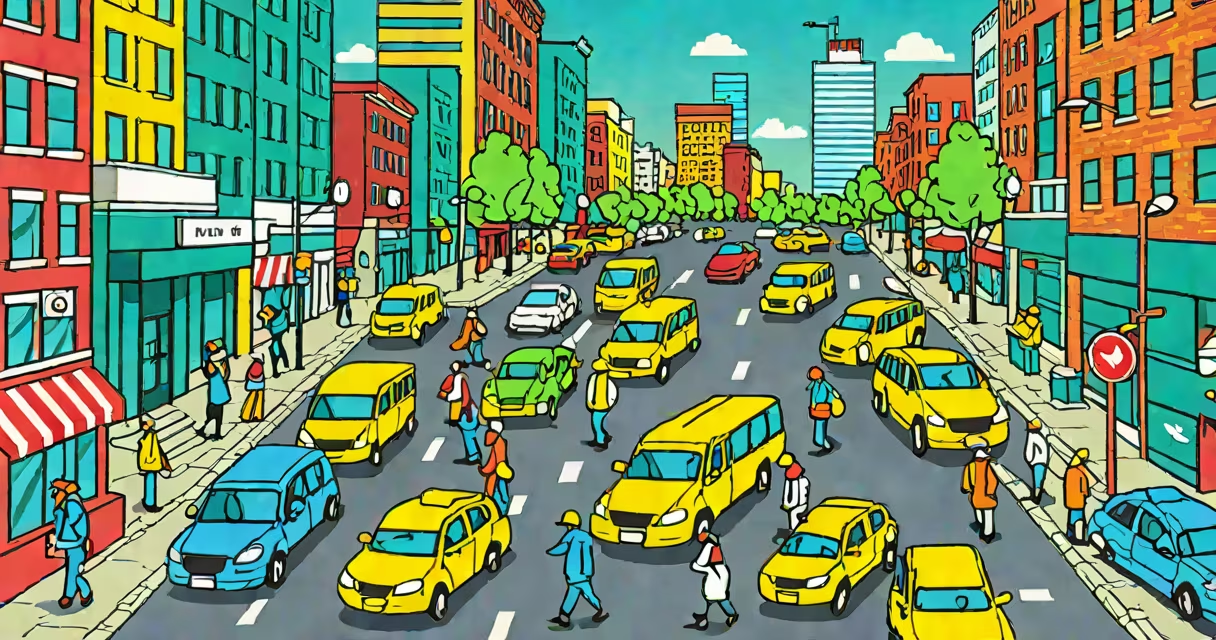
Noise pollution means excessive or unwanted sound that disrupts human well-being, animal behavior, or environmental balance. It occurs when sound levels exceed safe thresholds in homes, workplaces, or public spaces, often due to transportation, industry, or urban development.
Sound is measured in decibels (dB). Normal conversation sits around 60 dB. Prolonged exposure to sounds above 85 dB can damage hearing. Traffic, aircraft, construction equipment, and loud music regularly push ambient levels into harmful ranges. The World Health Organization (WHO) identifies noise pollution as a leading environmental health risk, second only to air pollution.
Urban areas face the highest burden. A 2021 WHO report found that 1.2 billion young people globally are exposed to unsafe sound levels in recreational settings. In cities like New York, average daytime noise reaches 75-80 dB near major roads-above recommended limits for continuous exposure. Chronic noise exposure correlates with elevated blood pressure, sleep disruption, and increased risk of heart disease.
Sound travels as pressure waves through air, water, or solid materials. When sources generate intense or repetitive vibrations, they create sustained high-pressure zones. These waves enter the ear canal, vibrate the eardrum, and trigger nerve signals interpreted by the brain as sound. But when volume exceeds safe thresholds, the inner ear's hair cells-responsible for converting sound into neural signals-can be permanently damaged.
The body responds to sudden or persistent loud noise by releasing stress hormones like cortisol and adrenaline. This activates the sympathetic nervous system, raising heart rate and blood pressure. Over time, this constant physiological strain contributes to cardiovascular strain. A 2020 study published in *The Lancet* linked long-term exposure to road traffic noise with a 10% higher risk of stroke and heart attack, independent of other lifestyle factors.
Animals also suffer. Birds alter their songs to be heard over traffic noise, reducing mating success. Marine mammals like whales rely on low-frequency sound for navigation and communication. Underwater noise from shipping and sonar disrupts their ability to find food and avoid predators. The National Oceanic and Atmospheric Administration (NOAA) reports that ship noise has increased by 20 dB since the 1960s in key migration corridors.
Common sources fall into four categories: transportation, industrial, residential, and recreational.
| Type | Typical Sources | Average Decibel Level | Health Risk |
|---|---|---|---|
| Transportation | Highway traffic, airplanes, trains | 70-90 dB | Chronic stress, hearing loss, sleep disturbance |
| Industrial | Factories, power plants, mining | 85-110 dB | Permanent hearing damage, hypertension |
| Residential | Power tools, lawn mowers, loud neighbors | 75-95 dB | Sleep disruption, reduced concentration |
| Recreational | Concerts, sporting events, fireworks | 100-130 dB | Immediate hearing damage, tinnitus |
Construction sites typically emit 90-100 dB during peak activity. A jackhammer at close range measures 110 dB-just below the threshold for immediate pain and potential hearing injury. Even brief exposure to 120 dB, such as a firework explosion, can cause permanent damage.
One underappreciated source is indoor noise from appliances. A standard dishwasher runs at 60-70 dB. A vacuum cleaner at 75 dB may seem quiet, but running it for 30 minutes daily in a small apartment can degrade sleep quality over weeks. A 2019 study in *Environmental Health Perspectives* showed that residents living within 100 meters of a busy highway had 25% higher rates of insomnia compared to those in quieter neighborhoods.
People often assume noise pollution is only about loudness. But duration and frequency matter too. A 70 dB sound lasting 12 hours daily causes more harm than a 90 dB burst lasting five minutes-even if the latter feels louder. The human ear adapts to constant background noise, masking its cumulative effect until symptoms appear.
Another myth is that earplugs eliminate all risk. While effective at reducing sound by 15-30 dB, they don't prevent long-term neurological impacts. A 2022 study in *Occupational & Environmental Medicine* found that workers using ear protection still showed elevated markers of oxidative stress in the brain, suggesting noise-related damage persists even with protection.
Some believe only occupational settings require regulation. But residential noise is regulated in many countries. In Germany, local ordinances limit nighttime noise to 40 dB in residential zones. In the U.S., the EPA has set guidelines for community noise, though enforcement varies by state. The absence of federal standards doesn't mean the problem is negligible-it means individuals must advocate for safer environments.
Consider a resident in downtown Chicago living on the third floor of an apartment building near a major intersection. At 6:30 a.m., a garbage truck idles nearby for 15 minutes, producing 85 dB. By 7:00 a.m., traffic noise averages 78 dB during rush hour. At noon, a construction crew begins drilling two blocks away-measuring 92 dB at the window.
By 8:00 p.m., a neighbor hosts a party with music at 95 dB. The resident uses earbuds to watch TV at home, but the bass from the party vibrates walls and increases perceived noise. Over seven days, the resident experiences frequent awakenings, difficulty concentrating at work, and increased irritability. After a medical checkup, they're diagnosed with early-stage tinnitus and elevated blood pressure.
This scenario reflects real data from a 2023 Chicago Department of Public Health survey. Of 1,200 participants living within 200 meters of a major roadway, 38% reported disrupted sleep, 29% experienced headaches, and 15% developed hearing issues-all linked to noise exposure. The city later launched a pilot program installing sound-absorbing glass in high-traffic buildings.
When you hear a siren, a train whistle, or a loud party, consider not just the volume-but the invisible toll it takes on health. The science is clear: prolonged exposure to excessive sound harms more than just hearing. It affects the heart, mind, and quality of life. Recognizing this shifts noise pollution from background annoyance to a serious public health issue.