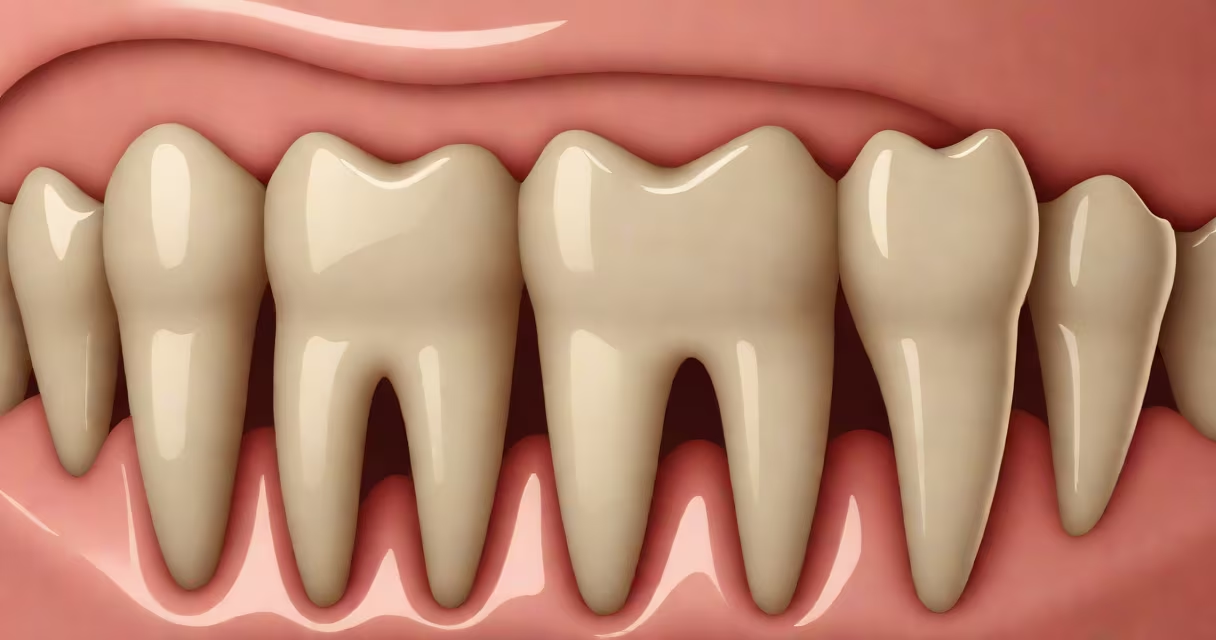
Dental caries is the progressive breakdown of tooth structure caused by acid produced by bacteria in dental plaque. It begins with demineralization of enamel and can advance to decay in dentin and pulp if untreated. This condition is commonly known as a cavity.
When oral bacteria metabolize fermentable carbohydrates-especially sucrose-they produce lactic acid as a byproduct. This acid lowers the pH around the tooth surface, dissolving calcium and phosphate ions from the enamel. Over time, this leads to microscopic pores that grow into visible holes. According to the American Dental Association (ADA), dental caries remains the most common chronic disease among children and adults worldwide.
The process is not instantaneous. It takes weeks to months for early lesions to develop, depending on diet, saliva flow, and oral hygiene. Once a cavity forms, it cannot repair itself. Treatment requires removal of decayed tissue and placement of a filling. Left unchecked, caries can lead to abscesses, tooth loss, or systemic infections.
Carious lesions progress through distinct stages. The earliest sign is a white spot lesion-visible as a chalky area on the tooth surface. These form due to initial mineral loss in enamel, often reversible with fluoride exposure. At this stage, no pain occurs because enamel lacks nerves.
As acid continues to attack, the lesion penetrates deeper into the enamel. Once it reaches the dentin layer, the tooth becomes sensitive to cold, sweet, or acidic foods. Dentin is softer than enamel and contains tiny tubules that transmit stimuli to the nerve. Sensitivity signals that decay has advanced beyond the outer layer.
If left untreated, the lesion reaches the pulp-the innermost part of the tooth housing blood vessels and nerves. This triggers inflammation, severe pain, and potential infection. A root canal may be required to remove infected pulp and save the tooth. Without treatment, the tooth may need extraction.
Dental caries can be classified by location and progression speed. The most common types include:
| Type | Description | Common Location |
|---|---|---|
| Smooth surface caries | Lesions on flat tooth surfaces, often between teeth or near the gumline | Buccal and lingual surfaces of molars and premolars |
| Pits and fissure caries | Decay in deep grooves of chewing surfaces, especially molars | Molars and premolars |
| Recurrent caries | Decay forming around existing fillings or crowns | Edges of restorations |
Microbial activity is central to caries development. The primary pathogens are *Streptococcus mutans* and *Lactobacillus* species. They adhere to teeth via glucosyltransferase enzymes, forming biofilm plaques. These communities create localized acid environments that erode enamel. Saliva normally buffers this acid and provides remineralizing minerals like calcium and phosphate. Reduced salivary flow increases caries risk.
A key misconception is that sugar alone causes cavities. While sugar fuels bacterial acid production, it's the combination of frequent sugar exposure, poor oral hygiene, and low salivary flow that drives disease. For example, sipping soda throughout the day keeps oral pH below 5.5 for extended periods-well below the critical threshold for enamel dissolution.
Dentists detect dental caries using visual inspection, probing with a dental explorer, and radiographs. Early lesions may not be visible on X-rays but appear as dark spots on bitewing films. Advanced cases show clear radiolucent areas extending into dentin.
Some patients assume that a toothache always indicates caries. However, pain can stem from cracked teeth, gingivitis, or sinus pressure. Conversely, many people have caries without symptoms until the lesion reaches the pulp. The National Institute of Dental and Craniofacial Research (NIDCR) reports that nearly half of adults aged 20-64 have at least one untreated cavity.
Another error is believing that brushing twice daily prevents all caries. While brushing removes plaque, it doesn't eliminate bacteria trapped in deep fissures. Flossing and fluoride use are essential complements. Fluoride strengthens enamel and reverses early demineralization. A 2021 study published in *The Journal of the American Dental Association* found that communities with fluoridated water had 25% lower caries rates than those without.
Effective prevention combines behavioral habits and clinical interventions. Daily brushing with fluoride toothpaste, flossing, and limiting sugary snacks reduce risk. Children should receive fluoride varnish applications every six months, starting at age 6 months, according to the ADA.
For high-risk individuals, dental sealants are recommended. These are thin plastic coatings applied to the chewing surfaces of molars. Sealants block food and bacteria from entering fissures. The CDC states that sealants reduce the risk of pit-and-fissure caries by up to 80% over two years.
When treatment is needed, the dentist removes decayed tissue and fills the cavity. Materials include composite resin, amalgam, or glass ionomer cement. Composite resins match tooth color and bond well to enamel. Amalgam is durable but contains mercury-though the FDA confirms it is safe for use in dental fillings.
For extensive damage, a crown may be necessary. If the pulp is infected, a root canal procedure removes the nerve and cleans the root canals before sealing. In rare cases, extraction is unavoidable. After removal, options include implants, bridges, or dentures.
During my time working in a community dental clinic, I observed a 12-year-old patient with multiple cavities despite regular brushing. Upon review, her diet included three daily sodas and frequent fruit juice consumption. After switching to water and reducing sugar intake, her follow-up exam showed no new lesions over 12 months-proof that behavior change can halt progression.