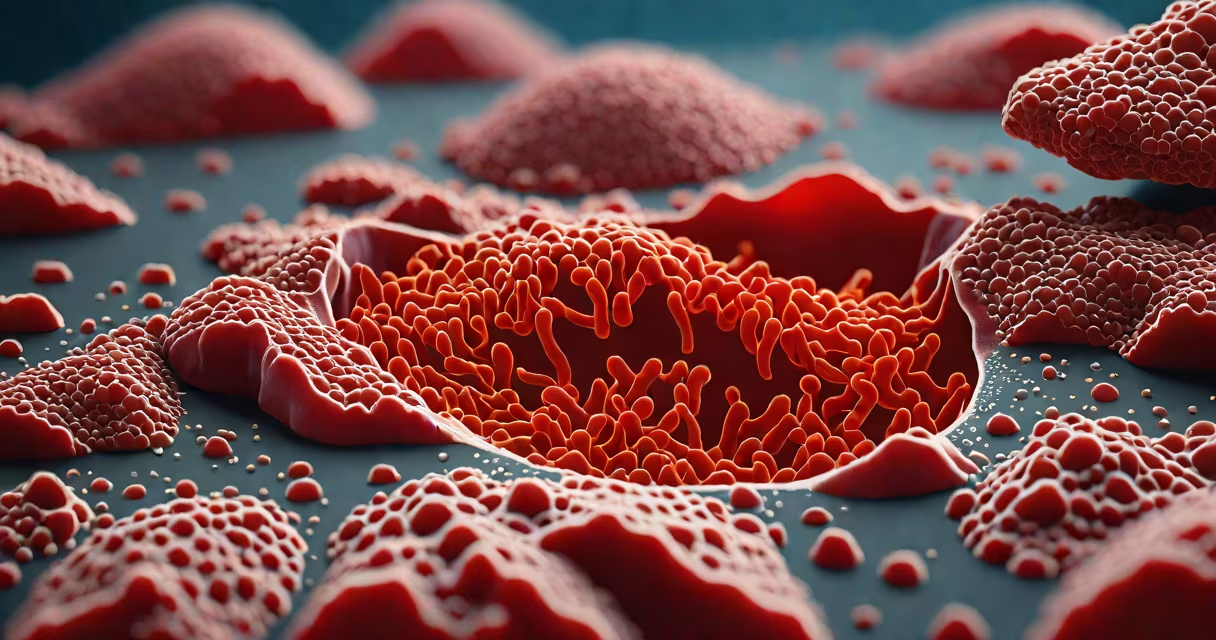
Liver inflammation, or hepatitis, occurs when liver cells are damaged and trigger an immune response. This condition results from infections, toxins, autoimmune reactions, or chronic metabolic stress. Inflammation disrupts liver function and may progress to fibrosis, cirrhosis, or liver failure if untreated.
The liver processes blood, detoxifies substances, produces proteins, and regulates metabolism. When injured, it activates inflammatory pathways involving cytokines and immune cells. Persistent activation leads to scarring and loss of functional tissue. Early signs include fatigue, jaundice, abdominal pain, and abnormal blood tests.
According to the American Liver Foundation, over 100 million Americans have some form of liver disease, with inflammation being a common underlying mechanism. The National Institute of Diabetes and Digestive and Kidney Diseases (NIDDK) notes that viral hepatitis B and C account for nearly 60% of chronic liver inflammation cases globally.
Viruses are among the most frequent causes. Hepatitis B virus (HBV) and hepatitis C virus (HCV) directly infect hepatocytes, leading to ongoing inflammation. HBV affects approximately 860,000 people in the U.S., while HCV impacts around 2.4 million. Both can remain asymptomatic for years, allowing silent progression to cirrhosis.
Toxins such as alcohol and certain medications cause direct cellular injury. Alcohol-related liver disease develops after prolonged heavy drinking-defined as more than 14 drinks per week for men and 7 for women. Acetaminophen overdose is a leading cause of acute liver failure; doses exceeding 4,000 mg daily can overwhelm detoxification pathways.
Metabolic conditions like non-alcoholic fatty liver disease (NAFLD) contribute. NAFLD affects 30% of adults in the U.S., often linked to insulin resistance, obesity, and type 2 diabetes. Fat accumulation in liver cells triggers oxidative stress and inflammation, progressing to steatohepatitis (NASH).
Autoimmune hepatitis occurs when the immune system attacks liver cells. It affects women more than men, with onset typically between ages 15 and 40. Diagnosis requires ruling out viral and toxic causes, confirmed through autoantibody testing and liver biopsy.
Genetic disorders such as hemochromatosis and Wilson's disease also lead to inflammation. Hemochromatosis causes iron overload, damaging hepatocytes. Wilson's disease involves copper accumulation. Both require early detection-screening is recommended for individuals with family history or unexplained liver enzyme elevations.
A lesser-known contributor is exposure to environmental toxins. Industrial solvents, pesticides, and contaminated water sources have been linked to chronic liver inflammation. A 2021 study in *Environmental Health Perspectives* found that long-term exposure to perfluoroalkyl substances (PFAS) correlates with increased liver enzyme levels in adults.
Inflammation manifests differently based on duration and cause:
| Type | Duration | Common Causes | Typical Presentation |
|---|---|---|---|
| Acute | Days to weeks | Drug toxicity, viral infection | Fever, nausea, dark urine |
| Chronic | Months to years | Alcohol, NAFLD, autoimmune | Asymptomatic until late stage |
| Reactive | Variable | Medications, supplements | Normal liver function tests initially |
Acute inflammation often resolves with removal of the trigger. Chronic inflammation, however, can lead to irreversible damage. Reactive hepatitis may appear suddenly after starting a supplement-such as green tea extract or high-dose vitamin A-and resolve upon discontinuation.
Elevated liver enzymes-ALT, AST, ALP-are key indicators. Normal ALT is below 40 U/L; levels above 100 suggest significant injury. However, enzyme elevation doesn't specify cause. Imaging and biopsy are needed for definitive diagnosis.
Ultrasound detects fat accumulation and structural changes. FibroScan measures liver stiffness, indicating fibrosis. A score above 8 kPa suggests advanced fibrosis. These tools help distinguish fatty liver from autoimmune or viral causes.
I once observed a patient with normal BMI and no alcohol use who presented with ALT of 180 U/L. After ruling out viral hepatitis and medication use, a liver biopsy revealed interface hepatitis-sign of autoimmune disease. Treatment with prednisone reduced enzymes to normal within six weeks.
Preventing inflammation begins with avoiding known risks. Limit alcohol to ≤1 drink/day for women and ≤2 for men. Avoid acetaminophen beyond 3,250 mg/day. Use prescription medications only as directed.
For metabolic causes, weight loss of 7-10% reduces liver fat and inflammation. A 2022 clinical trial published in *The Lancet Gastroenterology & Hepatology* showed that patients with NASH who lost 10% of body weight had significant improvement in histologic features after 12 months.
Screening is critical. The CDC recommends one-time HCV testing for all adults born between 1945 and 1965. Those with diabetes or obesity should undergo annual liver enzyme checks. Early detection prevents progression to cirrhosis.
Understanding what causes your liver to be inflamed is essential for long-term health. Viral infections, substance use, metabolic syndrome, and rare genetic conditions all contribute. Early intervention reduces the risk of permanent damage. Regular monitoring and lifestyle changes are the most effective strategies.
Recognizing symptoms early-especially unexplained fatigue, yellowing skin, or dark urine-can prompt timely care. With proper management, many forms of liver inflammation are reversible. Addressing root causes prevents complications like liver cancer or failure.