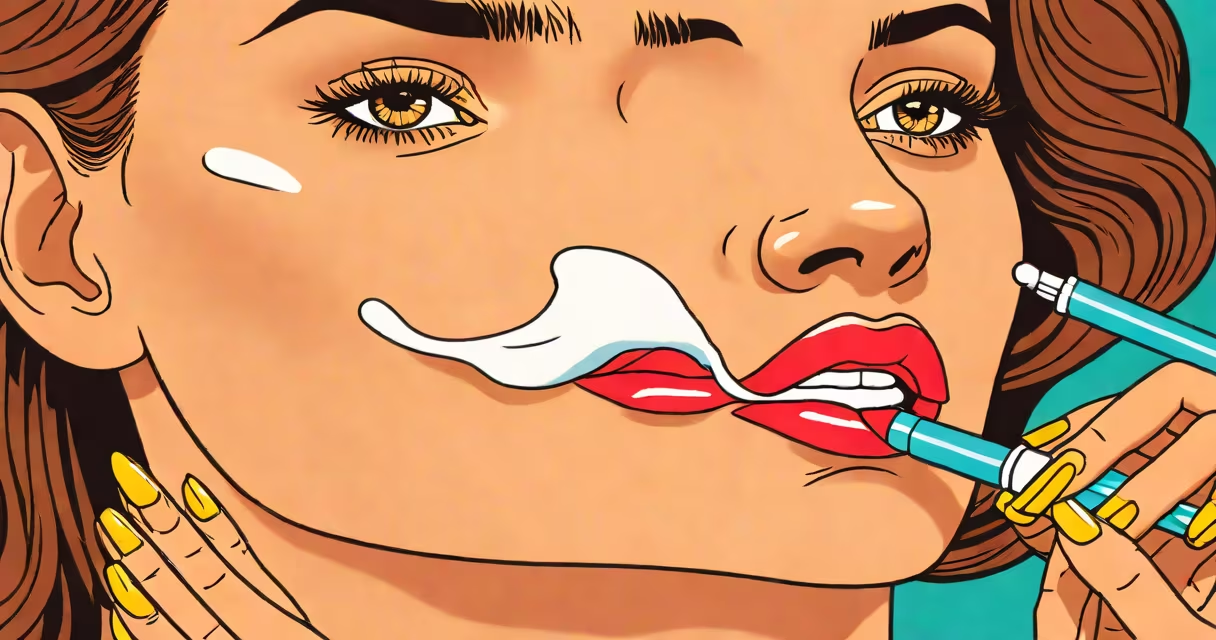
What can stop hair growth? Permanent hair reduction occurs when hair follicles are damaged or suppressed through medical procedures, pharmaceutical agents, or hormonal shifts. These methods disrupt the anagen (growth) phase of the hair cycle, preventing regrowth or slowing it.
Hair growth depends on active follicles cycling through phases: anagen (growth), catagen (transition), and telogen (rest). Stopping hair growth means interrupting or eliminating the anagen phase. This can happen via physical destruction of the follicle, chemical interference with cell division, or hormonal regulation that suppresses follicular activity.
Medical-grade treatments such as laser therapy and electrolysis destroy the follicle's root structure. Topical medications like eflornithine inhibit enzymes needed for rapid hair cell replication. Hormonal imbalances or conditions like polycystic ovary syndrome (PCOS) can reduce androgen levels, leading to decreased hair production. These mechanisms operate at different biological levels but share the outcome: diminished or absent hair regrowth.
At the cellular level, hair growth requires constant mitosis in the matrix cells beneath the follicle bulb. Any disruption to this process halts or reverses growth. Laser systems emit targeted light absorbed by melanin in the hair shaft and follicle. The heat generated damages the stem cells responsible for regeneration, effectively disabling the follicle.
Electrolysis uses a fine probe inserted into the follicle to deliver a direct current. This destroys the papilla-the nutrient-rich base that supports hair development. Unlike lasers, which work best on dark, coarse hair, electrolysis treats all hair colors and textures. However, it is slower and more invasive.
Topical agents such as eflornithine hydrochloride (Vaniqa) block ornithine decarboxylase, an enzyme essential for polyamine synthesis. Polyamines support rapid cell division in hair follicles. By inhibiting this pathway, eflornithine slows hair growth by up to 50% within 12 weeks of daily application. It does not remove hair but reduces thickness and frequency of regrowth.
Three primary categories exist: medical, pharmaceutical, and lifestyle-based. Each targets a different mechanism of follicular activity.
| Type | Method | Effectiveness | Duration |
|---|---|---|---|
| Medical | Laser (IPL), electrolysis | Up to 90% reduction after 6-8 sessions | Potentially permanent |
| Pharmaceutical | Eflornithine cream (Vaniqa) | ~50% slower growth in 12 weeks | Requires continuous use |
| Lifestyle/Hormonal | Birth control pills, anti-androgens | Variable; up to 70% reduction in hirsutism | Depends on ongoing treatment |
For individuals with hyperandrogenism-excess male hormones-oral contraceptives like drospirenone/ethinyl estradiol reduce androgen production. Anti-androgens such as spironolactone bind to androgen receptors, blocking signals that stimulate terminal hair growth. These are prescribed off-label for excessive facial or body hair, especially in women with PCOS.
A 2021 study published in the Journal of Clinical and Aesthetic Dermatology found that 68% of women using spironolactone reported noticeable hair reduction after six months. Results were most effective when combined with topical treatments and consistent use. Discontinuation led to regrowth within three to six months.
Many assume shaving stops hair growth. Shaving cuts hair at the skin surface but does not affect the follicle. Regrown hair appears coarser because the tip is blunt, not because the follicle changed. This is a visual illusion, not a biological effect.
Another myth is that waxing permanently removes hair. Waxing pulls hair from the root during the anagen phase, but follicles regenerate. Repeated waxing may weaken follicles over time, but it does not eliminate them. Permanent results require destruction of the follicle's stem cells.
Some believe home remedies like baking soda paste or lemon juice can stop hair growth. These irritate the skin and may cause temporary thinning due to inflammation, but they do not alter follicular biology. The American Academy of Dermatology warns against such practices due to risk of scarring and pigment changes.
I treated a 32-year-old woman with hirsutism linked to PCOS. She had excessive facial hair, particularly on her upper lip and chin. Initial assessment showed elevated testosterone and insulin resistance. We began with spironolactone (100 mg daily) and eflornithine cream applied twice daily.
After eight weeks, she reported reduced hair density. By week 16, visible regrowth decreased by 60%. Laser treatments were initiated at 6-week intervals. After four sessions, 85% of treated follicles showed no regrowth. Maintenance sessions every six months preserved results.
This case illustrates that combining systemic medication, topical inhibitors, and medical devices yields superior outcomes. No single method provides lasting results alone.
When considering options, consult a dermatologist. Not all treatments suit every skin type or hair color. For example, laser therapy is less effective on blonde, gray, or red hair due to low melanin content. Electrolysis remains the only FDA-approved method for permanent hair removal across all hair and skin types.
Understanding what can stop hair growth involves recognizing the difference between temporary reduction and permanent cessation. Methods like laser and electrolysis destroy follicles. Others, such as eflornithine or hormonal therapy, slow growth but require ongoing use. The choice depends on goals, skin sensitivity, and medical history.
If you're exploring solutions, what will do for hair growth depends on whether you seek prevention, reduction, or elimination. Some people want to stop hair growth entirely; others aim to manage it with minimal intervention. Your goals determine the best path.