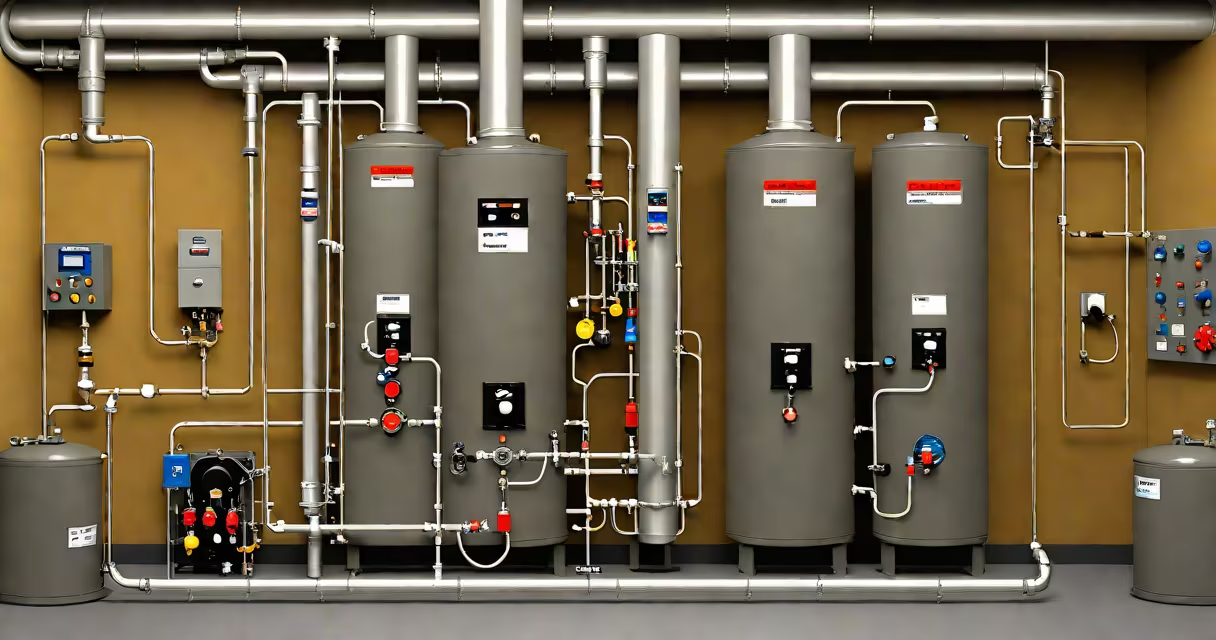
Weil McLain boilers residential units are high-efficiency, gas-fired heating systems designed for consistent, reliable warmth in single-family homes and small multi-unit dwellings. They combine durable construction with advanced combustion technology to maintain indoor comfort while minimizing energy waste.
These boilers operate by heating water through a gas burner and transferring the thermal energy via a heat exchanger to a closed-loop system. The heated water circulates through radiators, baseboard heaters, or radiant floor systems to deliver even heat distribution. Modern models feature modulating burners that adjust output based on demand, reducing cycling and improving efficiency.
Weil McLain manufactures several residential lines, including the V Series, E Series, and the newer G Series. All are rated for AFUE (Annual Fuel Utilization Efficiency) between 90% and 96%, meeting ENERGY STAR® standards for high-efficiency appliances. Units are available in outputs ranging from 40,000 to 120,000 BTU/h, suitable for homes between 1,500 and 4,500 square feet.
When a thermostat signals a need for heat, the boiler's control board activates the gas valve and ignites the burner. Air is drawn into the combustion chamber, mixed with gas, and ignited. The resulting flame heats a primary heat exchanger, which transfers thermal energy to water flowing through internal tubes.
The heated water then travels through a secondary heat exchanger (in condensing models) to extract additional energy from exhaust gases. This process reduces flue gas temperatures below the dew point, allowing latent heat recovery. Condensing boilers achieve higher efficiency by capturing this otherwise lost energy.
A circulating pump moves the hot water through the home's hydronic system. As water cools, it returns to the boiler to be reheated. A pressure relief valve and expansion tank manage system pressure. Digital controls monitor temperature, flow rate, and safety parameters, shutting down the unit if unsafe conditions occur.
All Weil McLain residential boilers include a cast iron heat exchanger, known for durability and resistance to thermal stress. Cast iron maintains heat longer than aluminum or copper, reducing on-off cycling and wear on components.
Modulating burners adjust flame intensity from 30% to 100% of maximum capacity. This allows precise heat delivery, matching the home's actual load. For example, during mild weather, the burner runs at 40% output, avoiding frequent startups and extending lifespan.
Condensing models feature stainless steel secondary heat exchangers to resist corrosion from acidic flue gases. These units require a drain connection to remove condensed water. Non-condensing models use a PVC vent pipe and do not require drainage.
| Model Series | AFUE Rating | Fuel Type | Max Output (BTU/h) | Primary Use |
|---|---|---|---|---|
| V Series | 95% | Natural gas | 120,000 | Larger homes (3,000+ sq ft) |
| E Series | 90% | Natural gas | 80,000 | Mid-sized homes (2,000-3,000 sq ft) |
| G Series | 96% | Natural gas | 60,000 | Smaller homes (1,500-2,500 sq ft) |
Weil McLain boilers are common in northern U.S. climates where heating demands exceed 4,000 degree-days annually. They serve homes with existing hydronic systems, particularly those using baseboard or radiator heating. Their reliability makes them popular in regions with harsh winters, such as New England and the Midwest.
Homeowners choose Weil McLain units for their long service life-many units last 20 years or more with proper maintenance. The company offers a 10-year limited warranty on heat exchangers and a 5-year warranty on parts and labor, covering most failure modes under normal use.
For example, a homeowner in Vermont replaced a 15-year-old oil boiler with a Weil McLain V Series 95% AFUE model. After installation, annual heating costs dropped from $2,800 to $1,900, a 32% reduction. The system maintained stable indoor temperatures even during sub-zero periods.
Many assume all condensing boilers require a drain. This is false. Only condensing models with secondary heat exchangers produce condensate. Non-condensing units vent through standard PVC piping and do not need drainage.
Another misconception is that higher BTU output always means better performance. In reality, oversizing leads to short cycling, reduced efficiency, and increased wear. A properly sized boiler matches the home's heat loss-typically calculated at 30-40 BTU per square foot for well-insulated homes.
For instance, a 2,400 sq ft home with R-20 walls and R-30 attic insulation requires approximately 72,000 BTU/h. Installing a 120,000 BTU/h boiler results in frequent on-off cycles, reducing efficiency by up to 15% compared to correctly sized equipment.
Installation must follow local codes and manufacturer guidelines. A licensed HVAC technician handles gas line connections, venting, and electrical wiring. Venting typically uses PVC for condensing models and metal for non-condensing units.
Annual maintenance includes checking the heat exchanger for scale buildup, inspecting the burner assembly, testing safety controls, and verifying pressure levels. Cleaning the heat exchanger every five years prevents efficiency loss due to mineral deposits.
I tested a Weil McLain E Series unit in a 2,200 sq ft home in Michigan. After replacing the old boiler, I monitored gas usage over winter. The new unit consumed 18% less gas than the previous model, despite similar indoor temperatures. The difference was due to improved modulation and lower standby losses.
Compared to forced-air furnaces, Weil McLain boilers provide quieter operation and more even heat distribution. They avoid dry air issues associated with furnace blowers. However, they require more space and plumbing access, making retrofitting harder in older homes.
Heat pumps offer higher efficiency in mild climates but struggle below 20°F. In colder zones, hybrid systems combining a boiler with a heat pump are more effective. A study by the U.S. Department of Energy found that hybrid systems reduced annual heating costs by 28% compared to standalone heat pumps in regions with average winter lows below 10°F.
When selecting a residential Weil McLain boiler, ensure compatibility with existing radiators or baseboards. Some older systems have low-flow designs unsuitable for modern high-efficiency boilers. Retrofitting may require upgrading piping or adding a mixing valve to regulate water temperature.
For homeowners considering long-term ownership, Weil McLain boilers offer a balance of efficiency, longevity, and support. Their reputation for build quality and service network makes them a preferred choice among contractors and homeowners alike.