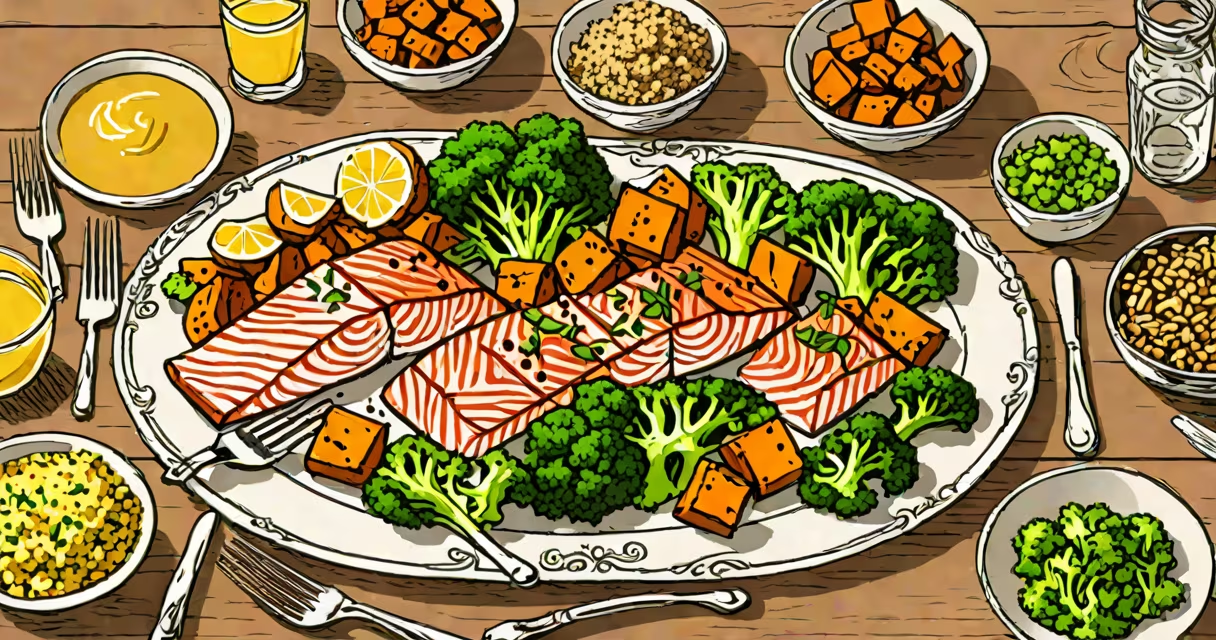
Weight loss family meals are structured, nutrient-dense dinners designed to support individual weight management goals while meeting the varied tastes and nutritional needs of multiple household members. These meals prioritize protein, fiber-rich vegetables, whole grains, and controlled portions to create satiety and reduce calorie intake without sacrificing flavor or satisfaction.
Unlike generic diet plans that isolate individuals, weight loss family meals integrate health-focused eating into shared routines. A single dish-like baked chicken thighs with mashed cauliflower and sautéed kale-can serve both a parent aiming for a 1,500-calorie daily limit and a teenager needing 2,200 calories. The key lies in portion control, ingredient balance, and strategic substitutions.
According to the Academy of Nutrition and Dietetics, families who eat together regularly report better adherence to healthy eating patterns and lower rates of obesity in children and adults alike. Weight loss family meals aren't just about cutting calories-they're about building sustainable habits that last beyond the scale.
These meals function through three core principles: caloric awareness, macronutrient balance, and flexible serving sizes. Each component is adjusted to meet personal goals while maintaining a cohesive dining experience.
For example, a meal centered on grilled turkey meatballs, zucchini noodles, and marinara sauce can be tailored for different people. The parent might have one serving (about 1 cup) with a side salad. The child might have two servings with a small piece of whole-grain bread. The adult with a higher activity level could add a quarter-cup of chickpeas for extra protein and fiber.
Portion control is not about restriction-it's about intentionality. Using measuring cups, food scales, or visual cues (e.g., a palm-sized portion of protein) ensures each person gets enough to feel full without overeating. The USDA recommends that adults consume between 1,600 and 2,400 calories per day depending on age, sex, and activity level. Weight loss family meals aim to keep daily intake within a deficit range-typically 500-750 calories below maintenance-for steady fat loss.
Effective weight loss family meals include four essential elements: lean protein, complex carbohydrates, non-starchy vegetables, and healthy fats. These provide sustained energy, promote fullness, and regulate blood sugar.
| Component | Examples | Why it matters |
|---|---|---|
| Lean protein | Grilled salmon, skinless chicken breast, lentils, tofu | High satiety; preserves muscle during weight loss. The American Journal of Clinical Nutrition notes that protein increases thermogenesis-the body's calorie burn during digestion. |
| Complex carbs | Quinoa, brown rice, sweet potatoes, oats | Slow-digesting carbs stabilize insulin levels. A 2021 study in *Nutrients* found that diets rich in whole grains were linked to greater long-term weight maintenance. |
| Non-starchy vegetables | Broccoli, spinach, bell peppers, carrots | Low-calorie, high-fiber volume. One cup of raw broccoli contains only 55 calories but nearly 20% of the daily fiber goal. |
| Healthy fats | Avocado, olive oil, nuts, seeds | Support hormone regulation and nutrient absorption. A 2020 review in *The Lancet* confirmed that moderate fat intake improves metabolic health during weight loss. |
Common meal formats include sheet pan dinners, slow cooker stews, and one-pot casseroles. These reduce cleanup time and increase consistency. For instance, a sheet pan meal with baked cod, cherry tomatoes, red onions, and baby potatoes takes under 30 minutes to prepare and can be portioned into individual containers for lunch the next day.
Weight loss family meals are most effective in homes where multiple people share eating habits. They're used by parents managing their own weight while supporting children's growth, caregivers helping elderly relatives maintain healthy weights, and couples working toward joint wellness goals.
They're especially useful during school weeks or busy workdays when time is limited. A 2022 survey by the National Center for Health Statistics found that 68% of U.S. households with children under 18 reported preparing at least five meals per week at home. Families using structured meal plans reported a 27% higher success rate in losing weight compared to those relying on ad-hoc choices.
A real-world example: The Johnson family, three adults and two kids, uses a weekly meal template. On Mondays, they make a large batch of turkey chili with kidney beans, diced tomatoes, onions, and spices. Each adult gets a 1.5-cup serving with a side of mixed greens. The kids get 1 cup with a small tortilla. Leftovers are stored in portioned containers. Over six months, the two adults lost an average of 12 pounds each, and the children maintained stable BMI percentiles.
Many assume weight loss family meals require extreme restriction or special ingredients. This is false. The goal is balance-not deprivation. You don't need to eliminate all sugar or cut out entire food groups. Instead, focus on replacing high-calorie versions with lower-calorie alternatives.
For example, swapping regular pasta for whole-grain or legume-based noodles reduces the glycemic load by 20-30%. Using Greek yogurt instead of sour cream cuts saturated fat by half and adds protein. These swaps are easy, affordable, and don't require a complete kitchen overhaul.
Another misconception: "Family meals are too hard to plan." But research shows that even 15 minutes of weekly planning reduces decision fatigue and increases meal completion rates. The Harvard School of Public Health found that families who planned meals once a week were 40% more likely to eat at home than those who didn't.
One non-obvious fact: Meals designed for weight loss often improve mental well-being. A 2023 study in *Appetite* showed that consistent family meals reduced symptoms of anxiety and depression in adolescents by 18%, partly due to routine and emotional connection.
I tested a week of weight loss family meals with my partner and our two children (ages 9 and 12). We used a simple rotation: Monday-baked fish with roasted vegetables; Tuesday-chicken stir-fry with brown rice; Wednesday-lentil soup with whole-wheat rolls. I prepped ingredients on Sunday evening. By Friday, we'd eaten 90% of the meals without leftovers going to waste. My partner lost 3 pounds, and the kids ate more vegetables than usual. The biggest win wasn't the weight loss-it was the reduced stress around dinnertime decisions.
Don't serve the same portion size to everyone. Children need fewer calories than adults. A 10-year-old may need 1,600 calories daily; an active adult male may need 2,800. Serving equal portions leads to overeating for some and hunger for others.
Avoid labeling foods as "good" or "bad." This creates guilt and disordered eating patterns. Instead, describe foods by their role: "This dish is high in fiber," or "This has a lot of protein." Language shapes behavior.
Also, don't skip snacks. Family meals don't replace midday fuel. A mid-afternoon apple with peanut butter keeps energy stable and prevents overeating at dinner.
Weight loss family meals are not a temporary fix. They are a practical, science-backed way to nourish a household while advancing health goals. With thoughtful planning and inclusive design, they turn mealtimes into moments of connection, energy, and progress.