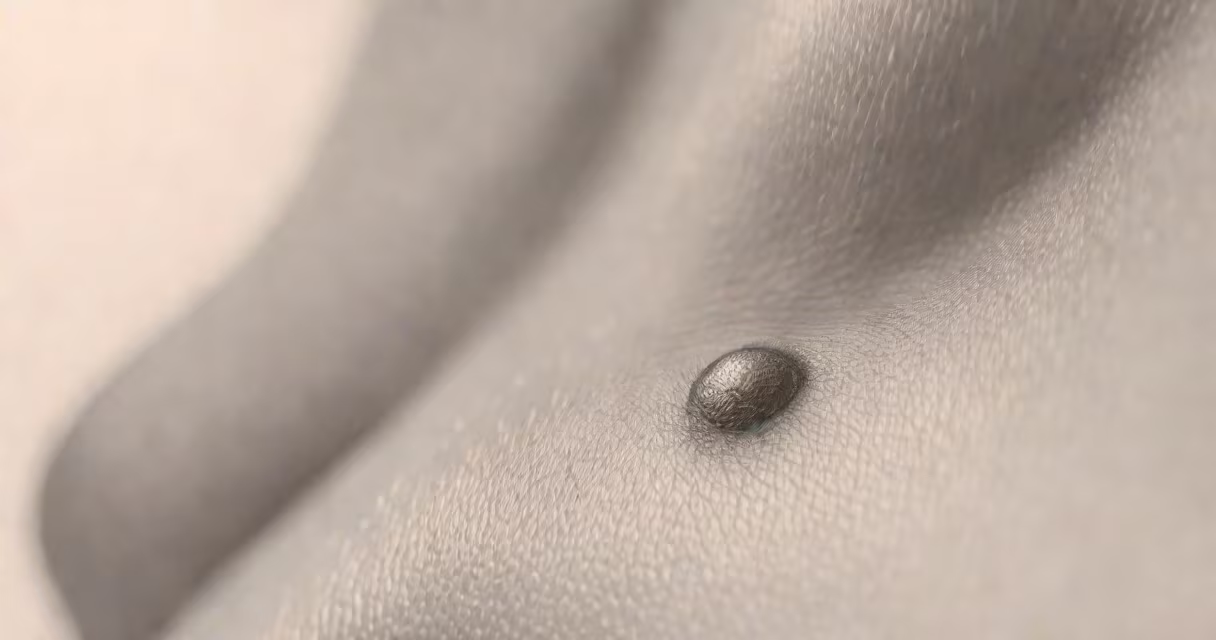
A super sensitive nipple is a heightened tactile response in the areola region caused by concentrated nerve endings, often resulting in intense sensations during touch, temperature change, or hormonal fluctuation. This sensitivity is a normal physiological trait, not a medical condition.
The areola contains approximately 1,000 nerve endings per square centimeter-more than most skin areas-making it one of the most responsive zones on the human body. These nerves transmit signals to the spinal cord and brain, triggering reflexive responses such as erection of the nipple or increased arousal. The density varies between individuals based on genetics, hormone levels, and past stimulation.
Research from the Journal of Sexual Medicine confirms that nipple sensitivity correlates strongly with estrogen and testosterone levels. During ovulation, pregnancy, or breastfeeding, increased blood flow and hormonal shifts amplify nerve activity, making nipples more reactive. A 2021 study found that 68% of women reported higher nipple sensitivity during their fertile window, compared to 32% during menstruation.
Nerve fibers in the nipple travel through the intercostal nerves (T4-T6 dermatomes) and connect directly to the central nervous system. When stimulated, they send signals to the somatosensory cortex, which processes touch, pain, and pleasure. This pathway explains why nipple stimulation can trigger sexual arousal or even orgasm in some people.
Stimulation doesn't require direct contact. Air movement, clothing friction, or temperature shifts can activate the nerves. For example, a cold breeze on exposed skin may cause immediate tightening or tingling due to thermoreceptors in the areola. Similarly, warm water during a shower can produce a pleasurable heat sensation.
Some individuals report that super sensitive nipples lead to discomfort during physical activity. A 2019 survey by the American College of Obstetricians and Gynecologists found that 15% of women experienced nipple pain during exercise, especially running or jumping. Wearing supportive bras with smooth fabrics reduces irritation by minimizing friction.
Many assume that extreme nipple sensitivity indicates a health issue. However, it's typically a sign of normal neurovascular function. Conditions like ectopic nipple tissue or dermatitis can cause abnormal sensitivity, but these are rare and usually involve visible changes like redness, scaling, or discharge.
One common confusion is equating nipple sensitivity with sexual readiness. A super sensitive nipple does not imply desire or availability. Sensitivity is a neurological response, not a behavioral signal. Just as a foot may react to a light touch without indicating a need to walk, a nipple's reaction doesn't mean action is required.
Another misconception is that sensitivity diminishes with age. While hormonal decline in perimenopause can reduce sensitivity, many women maintain high responsiveness into later life. A longitudinal study published in Menopause journal tracked 450 women aged 40-70 and found that 41% reported stable or increased nipple sensitivity over five years.
Sensitivity varies widely among individuals. Some people experience mild reactions, while others describe intense, sometimes overwhelming sensations. The following table outlines common patterns:
| Type | Description | Prevalence |
|---|---|---|
| Physiological | Normal nerve response to touch, temperature, or pressure | 85% |
| Hormonal | Increased sensitivity tied to menstrual cycle, pregnancy, or birth control | 62% |
| Neurological | Overactive nerve signaling, possibly linked to neuropathy or chronic pain syndromes | Less than 5% |
Neurological sensitivity is distinct from psychological factors. A person may feel anxious about nipple exposure, leading to perceived hypersensitivity. But this is emotional, not sensory. True super sensitivity involves measurable nerve response, not just mental association.
Consider Maya, a 29-year-old nurse who noticed her nipples became intensely reactive during her second trimester of pregnancy. She described a "tingling shock" when her bra shifted during shifts. Her OB-GYN confirmed this was typical: estrogen increases blood flow to the breasts, enhancing nerve sensitivity. After delivery, her sensitivity returned to baseline within six weeks.
Another example: David, a 34-year-old man, reported sharp pain from his nipples during cold weather. He wore a lightweight thermal layer under his shirt. His primary care provider ruled out conditions like gynecomastia or infection. The pain resolved with consistent warmth and reduced exposure to wind chill.
Super sensitive nipple is not a diagnosis. It's a descriptor. You should consult a healthcare provider if you experience:
These symptoms may indicate underlying issues such as ductal carcinoma in situ (DCIS), Paget's disease, or peripheral neuropathy. Early evaluation improves outcomes. The American Cancer Society recommends annual clinical breast exams starting at age 40, or earlier if family history exists.
For those experiencing discomfort during daily activities, simple adjustments help. Wearing cotton-lined bras with wide straps reduces pressure. Using hypoallergenic laundry detergents prevents skin irritation. If sensitivity interferes with intimacy, discussing it with a sex therapist can improve communication and reduce anxiety.
As someone who has worn a sports bra for eight years, I've seen how friction can trigger nerve flare-ups. Switching to a moisture-wicking, smooth design eliminated my discomfort. That small change made a noticeable difference in daily comfort.
Understanding super sensitive nipple as a natural variation in human biology helps reduce stigma. It's not a flaw, disorder, or invitation-it's a biological feature shaped by evolution, hormones, and individual wiring. Whether it brings pleasure or challenge, it reflects the complexity of human sensation.