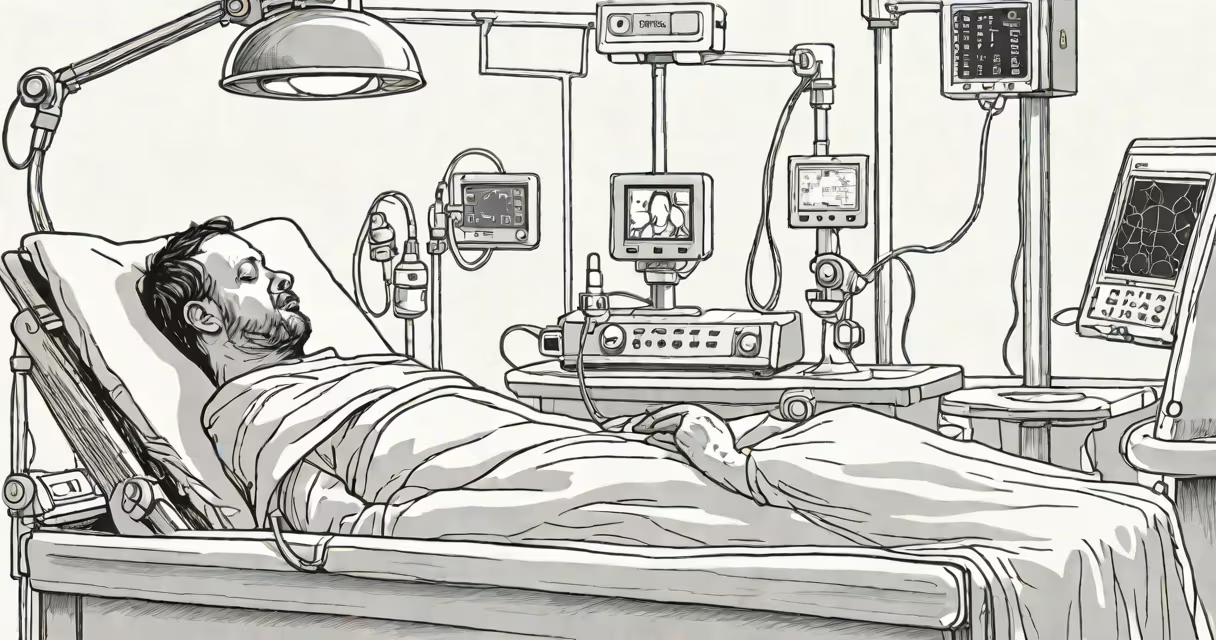
Strep B infection in newborn, also known as early-onset Group B Streptococcus (GBS) disease, is a potentially life-threatening bacterial infection that can develop in infants within the first 7 days of life. It occurs when a baby is exposed to GBS bacteria during delivery, often from the mother's vaginal or rectal tract.
Group B Streptococcus is a common bacterium found in the digestive, urinary, and reproductive tracts of healthy adults. While it rarely causes illness in adults, it can be passed to a newborn during passage through the birth canal. Without timely intervention, GBS can lead to sepsis, pneumonia, or meningitis in the infant.
The Centers for Disease Control and Prevention (CDC) recommends universal screening for GBS in pregnant individuals between 35 and 37 weeks of gestation. A positive result triggers intrapartum antibiotic prophylaxis (IAP), which reduces the risk of transmission to the baby by approximately 80%. This preventive strategy has lowered the incidence of early-onset GBS disease since its adoption in the 1990s.
GBS bacteria colonize the lower genital tract of about 25% of pregnant people. During labor, the baby may come into contact with these bacteria. The infant's immature immune system cannot effectively fight off the infection, especially if exposure is high or the membranes have been ruptured for more than 18 hours.
Transmission typically happens during vaginal delivery. Cesarean sections performed before labor onset or membrane rupture reduce the risk, but do not eliminate it entirely. The bacteria can also be acquired after birth through close contact with a carrier parent or caregiver.
A key factor in determining infection risk is timing. Early-onset GBS disease appears within the first 24 hours of life and is usually due to vertical transmission during delivery. Late-onset disease (after 7 days) is less common and may result from environmental exposure or colonization after birth.
There are two primary clinical forms of GBS infection in newborns: early-onset and late-onset. Early-onset disease accounts for about 80% of cases and presents with signs such as respiratory distress, poor feeding, lethargy, temperature instability, and low blood pressure. These symptoms often appear within hours of birth.
Late-onset GBS disease typically manifests between 7 and 90 days of life. Symptoms include fever, irritability, poor feeding, seizures, and bulging fontanelles-signs suggestive of meningitis. Late-onset infections are harder to prevent because they are not linked to labor exposure and may occur despite IAP.
Here is a comparison of the two types:
| Type | Onset | Transmission Route | Common Symptoms | Incidence Rate |
|---|---|---|---|---|
| Early-onset | Within 24 hours | During delivery | Respiratory distress, hypotension, poor feeding | ~1 in 2,000 live births |
| Late-onset | After 7 days | Environmental or postnatal contact | Fever, seizures, meningitis signs | ~1 in 4,000 live births |
One non-obvious fact: GBS is not a sexually transmitted infection. It is not spread through casual contact or breastfeeding. However, it can be transferred during childbirth, making screening and treatment during labor critical.
Diagnosis relies on clinical signs and laboratory testing. Blood cultures, cerebrospinal fluid (CSF) analysis, and urine tests are used to confirm the presence of GBS. A positive CSF culture with pleocytosis (elevated white cells) and elevated protein supports a diagnosis of meningitis.
Treatment involves intravenous antibiotics, typically penicillin or ampicillin, administered within the first 6 hours of symptom onset. Delayed treatment increases the risk of severe outcomes, including brain damage or death. Mortality rates for untreated early-onset GBS are around 10-15%, while with prompt treatment, survival exceeds 90%.
For example, a term newborn delivered at 38 weeks presented with grunting, cyanosis, and a respiratory rate of 70 breaths per minute. Blood cultures drawn at 4 hours of life grew Group B Streptococcus. The infant was started on IV ampicillin and gentamicin. After 48 hours, clinical improvement was evident, and cultures cleared by day 5.
Pregnant individuals are routinely screened for GBS between 35 and 37 weeks of gestation using a vaginal and rectal swab. If the test is positive, intrapartum antibiotic prophylaxis (IAP) is given during labor-typically starting at the onset of labor or rupture of membranes, and repeated every 4 hours until delivery.
Antibiotic administration reduces the risk of early-onset GBS disease from ~1 in 200 to ~1 in 4,000. The CDC emphasizes that IAP is effective regardless of whether the mother has symptoms or a history of previous GBS-affected babies.
For those who test positive but go into labor before receiving antibiotics, the risk remains elevated. In such cases, the infant is monitored closely and may receive empiric antibiotics if signs of infection emerge.
Many parents assume that GBS is rare or only affects premature babies. While preterm infants are at higher risk, GBS can affect full-term babies as well. The CDC reports that nearly half of early-onset cases occur in term infants.
Another misconception is that GBS can be prevented with home remedies or probiotics. There is no evidence that oral supplements or vaginal probiotics reduce GBS colonization or transmission. Only IAP during labor has proven efficacy.
Some believe that a cesarean section automatically prevents GBS transmission. This is false. While elective C-sections before labor onset reduce risk, emergency C-sections during labor still carry transmission risk if the mother is colonized and antibiotics were not given.
I experienced this firsthand while working in a maternity ward: a mother with a positive GBS screen went into labor unexpectedly and arrived without antibiotics. Her baby developed respiratory distress within 2 hours. Despite rapid treatment, the infant required NICU admission for 10 days. This case underscored the importance of timely IAP.
If a newborn shows signs of infection-such as difficulty breathing, persistent fever, refusal to feed, excessive sleepiness, or unusual crying-medical evaluation is urgent. Early recognition and treatment are essential to preventing long-term complications.
Parents should discuss GBS screening with their obstetric provider during prenatal visits. Knowing the results and understanding the role of antibiotics during labor empowers informed decisions.
Strep B infection in newborn remains a preventable condition. With routine screening and proper antibiotic use during labor, the risk of severe illness drops dramatically. Awareness and timely medical action save lives.