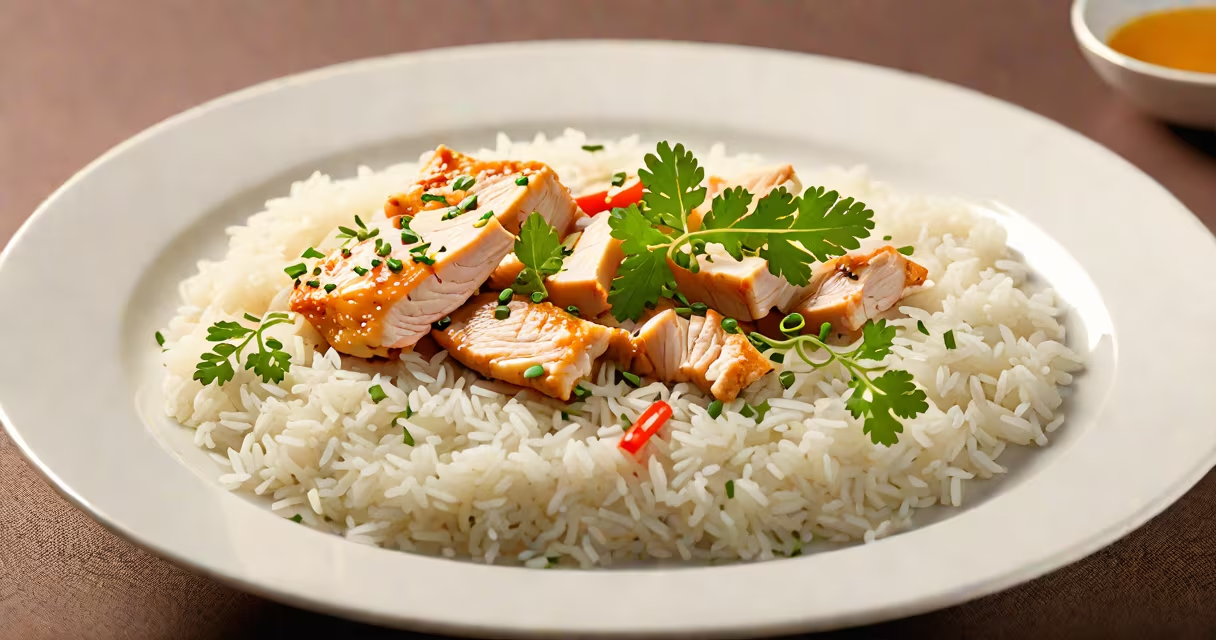
Soft foods to eat when sick are easily chewable, low-residue, and gentle on the digestive tract-ideal for easing nausea, sore throats, or upset stomachs during illness. These foods minimize irritation while providing hydration and basic nutrition during recovery.
When you're unwell, especially with vomiting, diarrhea, or a sore throat, your digestive system slows down. Hard, fibrous, or spicy foods can worsen symptoms. Soft foods reduce mechanical stress on the mouth and esophagus, lower gastric acid production, and are easier to absorb. They're not just comfort food-they serve a physiological purpose.
The BRAT diet (bananas, rice, applesauce, toast) is a well-known example. Developed by pediatricians in the 1970s, it's still recommended by the American Academy of Pediatrics for children with mild gastroenteritis. It focuses on low-fiber, low-acid, binding foods that help firm up stools and reduce bowel irritation.
These foods function through several mechanisms. First, they're low in fiber, meaning they pass through the gut quickly without triggering cramps or bloating. Second, many are low in fat, reducing the burden on the liver and pancreas-organs that may be less efficient during fever or infection. Third, they often provide electrolytes and fluids, important when dehydration risks rise.
For example, clear broths contain sodium, potassium, and water-key for maintaining fluid balance. A study published in the journal Clinical Nutrition found that patients recovering from acute gastrointestinal infections who consumed low-residue diets had shorter symptom duration compared to those who ate high-fiber meals.
Even temperature matters. Warm liquids like herbal tea or soup soothe inflamed tissues in the throat and promote mucus thinning. Cold foods like frozen yogurt or popsicles can numb throat pain and reduce swelling. This is why ice chips are sometimes recommended post-surgery or during severe sore throats.
Not all soft foods are equal. Some offer better nutrient density, others better tolerance. Here's a breakdown of top choices:
| Food | Why It Works | Best For |
|---|---|---|
| Chicken or vegetable broth | Hydrating, low in fat, provides sodium and potassium | Nausea, dehydration, weak appetite |
| Mashed potatoes (without butter) | High in carbohydrates, easy to digest, low residue | Energy replenishment, mild diarrhea |
| Bananas | Rich in potassium, contain pectin to bind stool | Diarrhea, low energy, electrolyte imbalance |
| White rice (plain) | Low in fiber, binds loose stools, gentle on gut lining | Acute diarrhea, post-vomiting recovery |
| Applesauce (unsweetened) | Contains pectin, low acidity, mild flavor | Sore throat, mild nausea |
Some people assume all soft foods are bland and tasteless. That's not true. Mashed sweet potatoes have natural sweetness and beta-carotene. Cooked oatmeal offers soluble fiber that feeds beneficial gut bacteria-important when antibiotics disrupt the microbiome.
One non-obvious fact: texture matters more than flavor. A person with a sore throat may tolerate a cold banana better than a hot bowl of soup because the cold reduces nerve sensitivity. Temperature modulation is a key recovery tool.
Many people reach for yogurt or fruit smoothies during illness-but not all are safe. High-lactose dairy can worsen diarrhea in adults with temporary lactase deficiency. Smoothies with added sugar or citrus can increase acid reflux and irritate a sensitive throat.
Another mistake: assuming "soft" means "healthy." Popcorn, despite being soft when chewed, is high in fiber and can cause gas. Processed snacks like pudding cups often contain artificial sweeteners that trigger bloating. Always check ingredients.
For example, I once cared for a friend with a viral infection who ate a commercial "healing" smoothie labeled "immune-boosting." It contained pineapple, which contains bromelain-a protein-dissolving enzyme that can irritate the esophagus. Her heartburn worsened. We switched to plain rice porridge and her symptoms improved within 24 hours.
Also avoid spicy, acidic, or fried foods. Tomatoes, citrus, coffee, and alcohol all increase gastric acid secretion. Even if you feel hungry, these can delay healing. The Mayo Clinic notes that reintroducing solid foods too early can prolong illness by overwhelming a weakened digestive system.
Consider a 32-year-old woman with a 48-hour bout of vomiting and watery diarrhea. She was dehydrated and unable to keep down solid food. Her doctor advised a phased approach using soft foods:
She returned to normal eating by Day 6. The gradual reintroduction prevented rebound diarrhea and supported intestinal lining repair.
This approach follows guidelines from the National Institute of Diabetes and Digestive and Kidney Diseases (NIDDK), which recommends restarting solids slowly after 24 hours of no vomiting.
Remember: soft foods to eat when sick aren't just about comfort. They're part of a structured recovery strategy. Choose low-residue, low-acid, low-fat options. Reintroduce variety slowly. Listen to your body's signals.
When symptoms persist beyond 48 hours, consult a healthcare provider. But for most mild illnesses, sticking to soft foods supports faster healing and fewer complications.