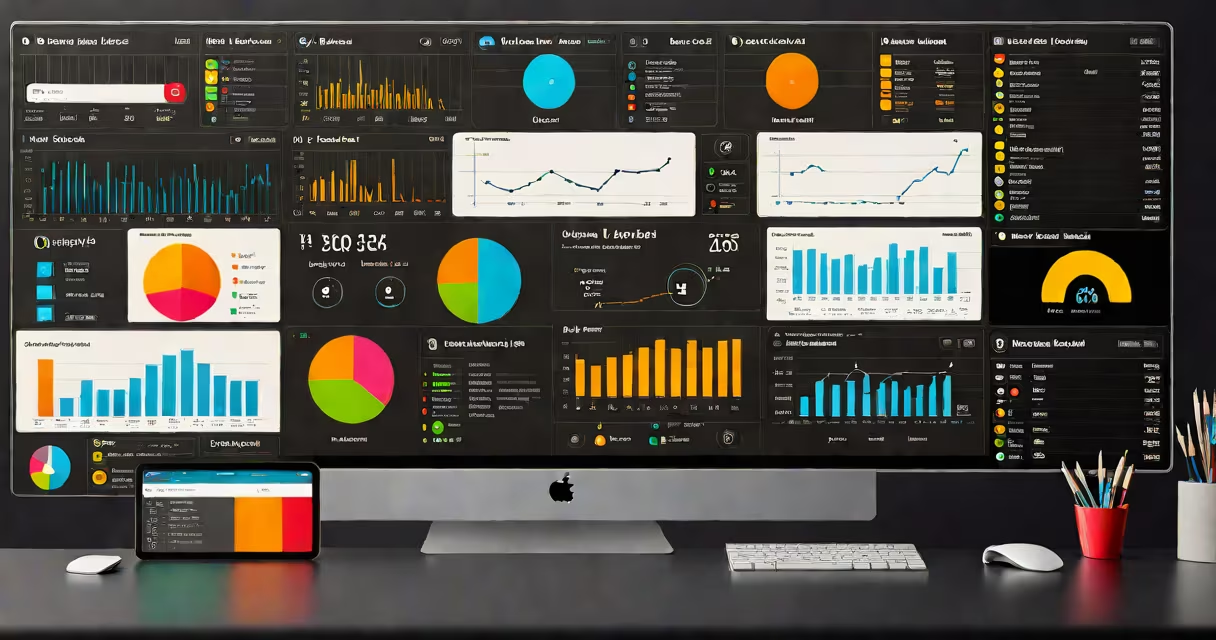
A social media analytics course trains users to collect, analyze, and act on data from platforms like Facebook, Instagram, Twitter, and LinkedIn to improve marketing outcomes. These courses cover tracking tools, KPIs, reporting methods, and decision-making based on real-time insights.
These programs teach how to move beyond vanity metrics-like likes and followers-to focus on meaningful indicators such as conversion rates, customer acquisition cost, and return on ad spend. Participants learn to use native platform analytics (e.g., Meta Business Set, TikTok Analytics) and third-party tools (e.g., Sprout Social, Hootsuite Insights, Google Analytics 4) to assess content performance, audience behavior, and campaign effectiveness.
For example, a course might walk through analyzing a 30-day Instagram campaign for a small fashion brand. You'd import data on impressions, reach, profile visits, and swipe-up clicks from the Instagram Insights dashboard. Then, using a spreadsheet or tool like Tableau, you'd correlate those numbers with website traffic from Instagram referrals and sales attributed to UTM-tagged links. This reveals which posts drove actual purchases-not just views.
Each social media analytics course follows a structured workflow. First, define goals-such as increasing website sign-ups or boosting product sales. Next, identify relevant metrics aligned with those goals. For a lead generation campaign, this includes click-through rate (CTR), form completion rate, and cost per lead.
Then, set up tracking. This involves placing UTM parameters on links shared across platforms, enabling Google Analytics to distinguish traffic sources. For paid ads, platforms require pixel installation (e.g., Facebook Pixel) to track conversions. Without these, data is incomplete or misleading.
Finally, interpret results. A course teaches how to spot trends-like declining engagement during holiday weeks-or anomalies, such as a sudden spike in shares after a viral post. Participants learn to segment audiences by demographics, location, or device type to refine targeting. They also build reports that show performance over time, often using visualizations like bar charts or heat maps.
Most social media analytics courses include modules on:
For instance, a course might compare the strengths of each tool. Meta Business Set offers deep integration with Facebook and Instagram ad accounts and shows detailed demographic breakdowns. TikTok Analytics excels at identifying peak posting times and content formats that drive watch time. But neither captures cross-platform behavior unless exported into a central system.
One non-obvious point: many courses fail to emphasize that data accuracy depends on consistent tagging. A single mislabeled UTM parameter can skew attribution. A course should include a hands-on exercise where students debug a flawed dataset-say, a 40% drop in conversions due to duplicate campaign tags.
People often assume that high engagement equals success. A video with 10,000 likes may look impressive, but if it doesn't generate leads or sales, it's not effective. A social media analytics course corrects this by teaching how to prioritize business-aligned KPIs over engagement metrics.
Another misconception is that analytics is purely technical. While data literacy is essential, the best analysts combine quantitative skills with qualitative insight. They review comments, messages, and sentiment to understand why certain content resonates. A course should include a module on interpreting qualitative feedback alongside numbers.
For example, a skincare brand ran a campaign promoting a new serum. Engagement was low, but direct messages increased by 60%. Users asked for ingredient details and skin type recommendations. The team realized the content wasn't engaging because it lacked clarity. Adjusting messaging led to a 25% rise in website conversions.
Marketing professionals, social media managers, e-commerce owners, and entrepreneurs benefit most. A course equips them to justify budgets, adjust strategies, and prove impact to stakeholders.
It's especially useful for those managing campaigns in competitive spaces. For example, a small online retailer selling eco-friendly home goods used a social media analytics course to track which product images had the highest CTR on Pinterest. After testing six variants, they found that lifestyle shots with natural lighting outperformed flat-lay photos by 37%. They reallocated their content budget accordingly.
Some courses include certification upon completion. Others integrate with professional development paths-like preparing for the Google Digital Garage certification or the Meta Blueprint exam. These credentials validate skill level and can support job applications or client pitches.
When choosing a course, look for one that covers both theory and practice. Avoid programs that only explain concepts without guided exercises. A strong curriculum includes a capstone project: building a full campaign report from raw data, complete with visualizations and strategic recommendations.
After completing a course, participants gain the ability to turn data into decisions. They stop guessing. They start knowing.