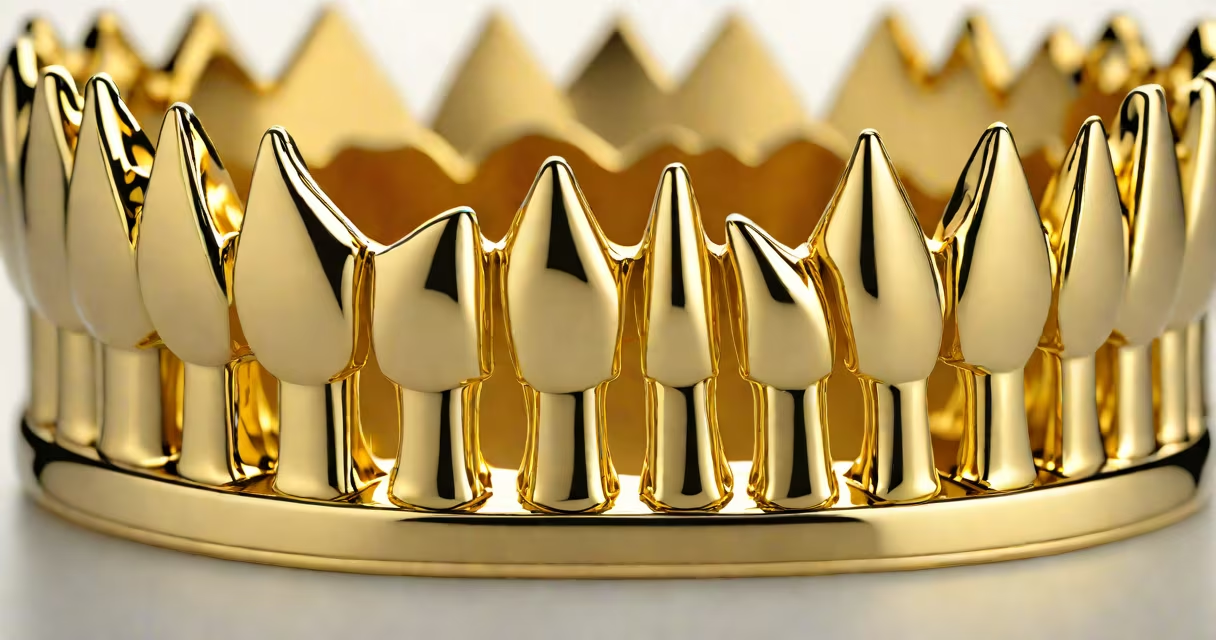
Selling dental gold means converting old gold dental work-such as crowns, bridges, or fillings-into cash by selling the metal to a buyer who recycles it. The value depends on the weight, purity, and current gold price.
Dental gold is typically 14-karat or 18-karat gold, with a purity between 58.3% and 75%. It's used in dentistry because gold resists corrosion, doesn't cause allergic reactions, and lasts decades. When removed, it can be sold for scrap value based on the spot price of gold.
Many people don't realize their dental gold has monetary value. A single 14-karat gold crown weighs about 1.5 grams and is worth roughly $60-$80 at current market rates. If someone has multiple crowns or bridges, the total value can exceed $500.
The process begins with removing the gold dental piece. This must be done by a licensed dentist or oral surgeon. Removing gold crowns requires drilling through the metal, which can damage the underlying tooth structure. Some patients choose to replace the crown with a new one during the removal process.
Once removed, the gold is sent to a refinery or buyer who melts it down and separates the gold from impurities. Refiners test the metal using acid or XRF (X-ray fluorescence) to confirm the karat level. Only then is the value calculated based on weight and purity.
For example, a 1.8-gram 14-karat gold crown contains approximately 0.84 grams of pure gold. At a spot price of $1,850 per troy ounce (about $59.50 per gram), the pure gold content is worth $50. After subtracting refining fees (typically $10-$20 per item), the net payout is around $30-$40.
Different dental applications use varying amounts of gold. The most common forms include:
| Type | Average Weight (grams) | Purity Range | Typical Value (per unit) |
|---|---|---|---|
| Crown | 1.2 - 2.5 | 14K (58.3%) | $45 - $85 |
| Bridge (single unit) | 2.0 - 4.0 | 18K (75%) | $70 - $140 |
| Filling (large) | 0.5 - 1.0 | 14K-18K | $20 - $50 |
Gold bridges often fetch higher values due to their larger size and higher karat content. Some older bridges were made with 22-karat gold, which increases the value further. However, most modern dental gold is 14K or 18K.
The value is not based on the aesthetic or historical significance of the dental work-it's purely based on the amount of recoverable gold. A damaged or worn crown still holds value if it contains gold.
People sell dental gold for several reasons. Some have had old crowns replaced and want to recover the material's value. Others inherit dental work from deceased relatives and seek to monetize it. A few patients sell gold teeth they received as gifts or found in old dental records.
According to the American Dental Association (ADA), about 10% of U.S. adults have at least one gold dental restoration. That translates to hundreds of thousands of gold crowns in circulation. Many of these are still functional but may be replaced due to wear, decay, or aesthetic preferences.
Some individuals avoid selling dental gold due to misconceptions. A common myth is that gold in teeth is too pure to be recycled. In reality, refiners accept dental gold regardless of origin. Another misconception is that selling dental gold is illegal or unethical. There is no law against selling medical-grade gold, and many clinics now offer referral programs to help patients sell their old restorations.
I once helped a patient in my clinic remove a 20-year-old gold bridge. The patient was surprised to learn it contained nearly 3 grams of gold. After sending it to a certified refiner, they received $110 after processing fees. The patient said they didn't expect anything to come from it, but "it felt good to turn something old into something useful."
One major error is selling dental gold to unlicensed buyers. Some pawn shops or online platforms offer lowball prices or charge hidden fees. Always verify that the buyer is certified by the London Bullion Market Association (LBMA) or the National Scrap Metal Association (NSMA).
Another mistake is assuming the entire crown is gold. Many crowns are gold-plated or made with base metals. A quick test with a magnet won't work-gold isn't magnetic, but neither are many alloys. Instead, ask for a certificate of analysis or use a professional testing kit.
Also, never send dental gold without proper documentation. Reputable buyers require proof of ownership and medical history. This protects both parties and ensures compliance with anti-money laundering laws.
When choosing a buyer, compare offers. For example, one company offered $15 per gram of pure gold, while another charged $25 per gram but deducted $50 in shipping and handling. The first option yielded $120 for a 1.5-gram crown. The second paid only $100 after fees. Always calculate net value.
If you're unsure whether to sell, consider donating the gold to a charity that supports dental care in underserved communities. Some organizations accept gold dental work for reuse in prosthetics or educational models.
Selling dental gold is a straightforward transaction when done correctly. It's not a high-return investment, but it's a way to recover value from unused medical materials. With accurate testing and a trusted buyer, you can turn a decade-old crown into cash with minimal effort.