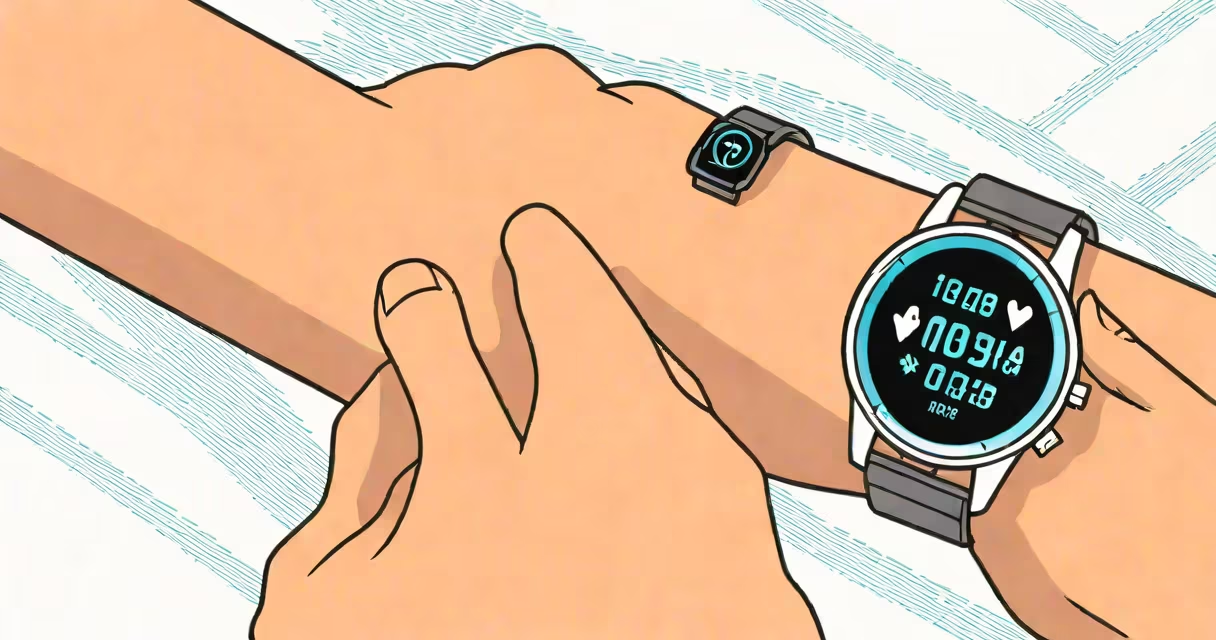
A racing heartbeat, medically known as palpitations, occurs when you feel your heart beating rapidly, forcefully, or irregularly. It can happen during rest, exercise, or stress and may last seconds to minutes. While often harmless, it can signal underlying conditions requiring attention.
Palpitations result from changes in heart rhythm, increased heart rate, or heightened awareness of normal heartbeats. They're not a diagnosis but a symptom. Common triggers include caffeine, dehydration, hormonal shifts, and emotional stress. In rare cases, they indicate serious cardiac issues such as atrial fibrillation or ventricular tachycardia.
The American Heart Association notes that palpitations affect about 1 in 5 adults at some point, with most being benign. However, persistent or worsening episodes warrant clinical evaluation to rule out structural heart disease or electrical system abnormalities.
Your heart's rhythm is controlled by electrical signals originating in the sinoatrial (SA) node, the heart's natural pacemaker. When these signals fire too quickly or erratically, the brain registers the sensation as a racing heartbeat. This can occur due to autonomic nervous system activation, especially during fight-or-flight responses.
For example, a person experiencing public speaking anxiety may feel their heart race within 30 seconds of stepping on stage. Their sympathetic nervous system releases adrenaline, increasing heart rate from 60 to 120 beats per minute. The brain interprets this change as urgent, even if the heart is functioning normally.
Some individuals develop heightened interoceptive awareness-the ability to perceive internal bodily signals-making them more sensitive to normal heart activity. A 2021 study in *Psychosomatic Medicine* found that people with generalized anxiety disorder report palpitations at lower heart rates than those without anxiety, suggesting perception plays a role.
Palpitations fall into four broad categories based on mechanism:
| Type | Underlying Cause | Common Triggers | Frequency |
|---|---|---|---|
| Supraventricular tachycardia (SVT) | Abnormal electrical circuit above the ventricles | Caffeine, alcohol, stress | ~1 in 1,000 people annually |
| Normal sinus tachycardia | Physiological increase in heart rate | Exercise, fever, dehydration | Very common, especially during activity |
| Premature contractions | Extra beats from atria or ventricles | Stress, fatigue, stimulants | Over 50% of adults report occasional extrasystoles |
| Atrial fibrillation | Irregular, rapid atrial contractions | Age, hypertension, obesity | Prevalence increases to 10% in adults over 80 |
Premature contractions-commonly called "skipped beats"-are usually harmless. A 2020 review in *JAMA Internal Medicine* found that healthy individuals with frequent premature atrial contractions had no higher risk of stroke or death than controls.
However, distinguishing between benign and concerning causes is critical. For instance, a 42-year-old woman reported sudden palpitations lasting 15 minutes during a routine walk. She had no history of heart disease but was consuming energy drinks daily. An ECG revealed SVT, which resolved after discontinuing caffeine and medication.
Doctors assess palpitations through history, physical exam, and diagnostic tools. A 12-lead ECG captures heart rhythm at a single moment. If symptoms are intermittent, a wearable event monitor or loop recorder may be used to record episodes over days or weeks.
According to the European Society of Cardiology, patients under 40 with no structural heart disease and normal ECGs have a low risk of serious arrhythmia. In such cases, reassurance and lifestyle modification are sufficient. But anyone over 40, with a family history of sudden cardiac death, or who experiences dizziness with palpitations should undergo further testing.
I once observed a patient in a clinic who described her racing heartbeat as "like a drum in my chest." Her ECG showed atrial flutter. After ablation therapy, she reported complete resolution. This case highlights that even dramatic sensations can stem from treatable rhythms.
Palpitations are often mistaken for panic attacks, but they differ in origin. Panic attacks involve acute fear, hyperventilation, and physical symptoms like trembling and sweating. Palpitations may occur without anxiety. Conversely, anxiety can trigger palpitations, creating a feedback loop.
Another confusion arises with "heart murmurs," which are sounds heard during auscultation, not sensations. Murmurs indicate turbulent blood flow, often due to valve issues. They don't cause racing feelings unless accompanied by arrhythmia.
Palpitations do not equate to heart failure. Heart failure involves reduced pumping capacity, leading to fatigue, swelling, and breathlessness-not rapid heartbeats. A 2019 study in *The Lancet* showed that only 3% of patients with palpitations had systolic heart failure.
Seek immediate care if palpitations are accompanied by chest pain, fainting, severe shortness of breath, or sudden weakness. These signs suggest possible arrhythmia, pulmonary embolism, or myocardial infarction.
For ongoing or frequent episodes, consult a healthcare provider. A 2022 guideline from the American College of Cardiology recommends evaluating all new-onset palpitations with an ECG and assessing risk factors like diabetes, high blood pressure, and smoking history.