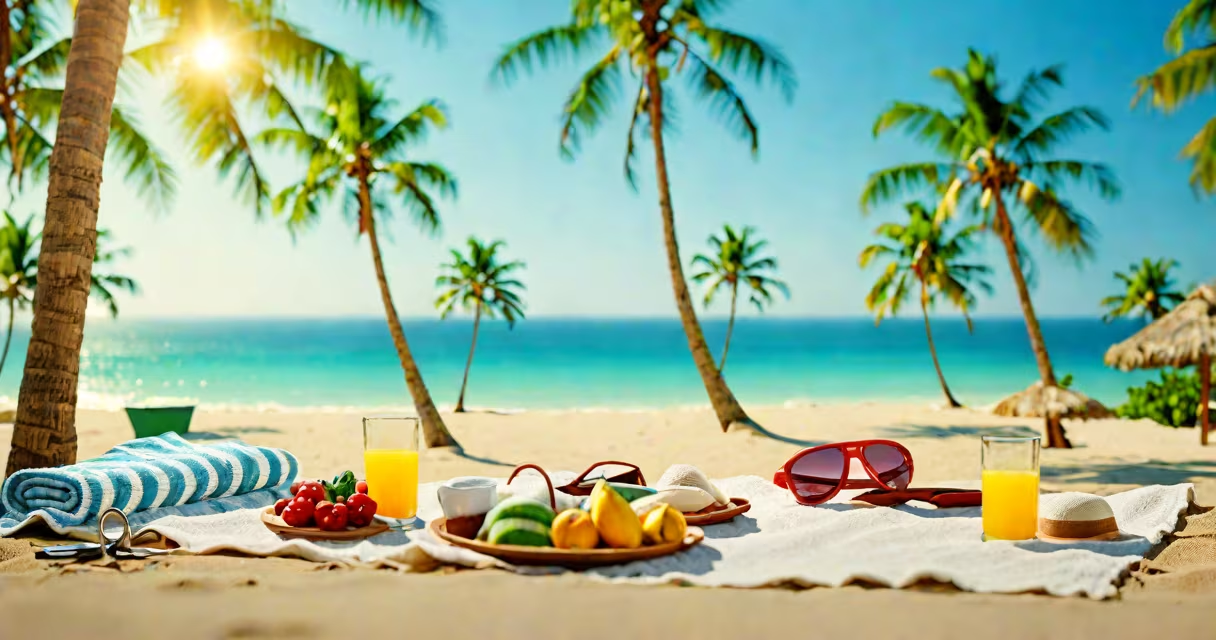
Onthe beach holidays are travel experiences centered around coastal destinations where guests stay near or directly on beaches, engaging in sunbathing, swimming, water sports, and leisure activities. These trips emphasize proximity to the sea, access to sandy or rocky shorelines, and immersive beach culture. They are typically booked for relaxation, recreation, or romantic getaways.
Such holidays differ from generic beach visits by including structured stays-often at resorts, guesthouses, or vacation rentals-with amenities like pool access, beachside dining, and organized excursions. The core element is the physical presence on or adjacent to a beach, which shapes daily routines and activity choices.
Popular onthe beach holiday destinations include Mykonos in Greece, Tulum in Mexico, Bali in Indonesia, and the Maldives. These locations offer consistent warm weather, clear waters, and well-developed tourism infrastructure. Travelers choose them based on climate, safety, accessibility, and local attractions beyond the beach itself.
Onthe beach holidays operate through a combination of accommodation placement, seasonal timing, and activity planning. Guests book lodging within walking distance of a beach-usually under 500 meters-to maximize direct access. This proximity influences everything from morning routines to evening entertainment.
Resorts and hotels on these holidays often provide services such as towel delivery, beach chairs, snorkeling gear, and guided tours. Many include all-inclusive packages covering meals, drinks, and select activities. For example, a 7-day stay in Cancún may include daily breakfast, sunset yoga sessions, and a half-day trip to Chichén Itzá.
Travelers plan their days around beach access. Mornings might involve sunrise swims or beachfront meditation. Afternoons are reserved for sunbathing, reading, or water sports like paddleboarding. Evenings feature beachside dinners or bonfires. The rhythm of the day is shaped by the tide schedule and daylight hours.
Not all onthe beach holidays are the same. They vary by region, duration, and intended audience. The following table outlines common categories:
| Type | Duration | Typical Location | Key Features |
|---|---|---|---|
| Family-friendly | 7-14 days | Algarve, Portugal; Phuket, Thailand | Child-safe zones, playgrounds, supervised activities |
| Couples' retreat | 5-10 days | Bali, Indonesia; Amalfi Coast, Italy | Private cabanas, couples' spa treatments, candlelit dinners |
| Adventure-focused | 3-7 days | Tulum, Mexico; Sardinia, Italy | Snorkeling, kayaking, cliff diving, marine wildlife tours |
| Wellness & detox | 7-14 days | Costa Rica; Santorini, Greece | Yoga classes, plant-based meals, digital detox policies |
Each type tailors the beach environment to specific needs. A family trip prioritizes safety and child engagement, while a wellness retreat emphasizes quiet, mindfulness, and natural surroundings.
People select onthe beach holidays for mental and physical recovery. According to the World Health Organization, regular exposure to natural environments like beaches reduces cortisol levels and improves mood. Coastal areas also offer lower air pollution and higher humidity, which can benefit respiratory health.
Travelers seek these holidays to disconnect from routine. A 2023 study by the Global Wellness Institute found that 68% of international travelers prioritize destinations with direct beach access when choosing summer vacations. The appeal lies in sensory immersion-saltwater smell, sound of waves, warmth of sun on skin.
For example, a traveler from Toronto booking a 10-day onthe beach holiday in Punta Cana, Dominican Republic, might stay at a resort with private beach access. Their daily routine includes morning swims, afternoon beach volleyball, and evening salsa dancing at a nearby club. The itinerary includes a visit to a bioluminescent bay and a cooking class using local seafood.
One frequent confusion is equating onthe beach holidays with beach tourism. While both involve beaches, tourism focuses on sightseeing and short visits. Onthe beach holidays require extended stays-typically 5+ days-and deeper integration into the local coastal lifestyle.
Another misconception is that all onthe beach holidays are high-end. Budget options exist. Hostels in Lisbon's Cascais district offer dorm rooms with balcony views of the Atlantic. A week-long stay costs under $300, including breakfast and free beach shuttle service.
A lesser-known fact: many onthe beach holidays are seasonal. In the Caribbean, peak season runs from December to April due to stable weather and low hurricane risk. Outside this window, prices drop. A January trip to Jamaica averages $1,200 for a 7-day stay, while August rates fall to $750 due to higher storm likelihood.
Not all beaches are public. Some onthe beach holiday accommodations have exclusive access. A villa in Sardinia may have a private cove accessible only to guests. This exclusivity increases perceived value but limits community interaction.
I once stayed at a small guesthouse in Oaxaca, Mexico, located just 100 meters from Playa Zipolite. The owner arranged daily surf lessons and served fresh ceviche at the beachfront terrace. Over five days, I saw no tourist crowds, only locals fishing at dawn and families playing in shallow water. The absence of commercial signage created a rare sense of stillness. That experience confirmed that onthe beach holidays aren't about luxury-they're about presence.
Onthe beach holidays deliver more than sun and sand. They offer structured time near the ocean, supported by accommodations and activities designed around coastal living. Whether seeking adventure, rest, or connection, travelers find tailored experiences across diverse global settings. Understanding the differences between types ensures better planning and realistic expectations.