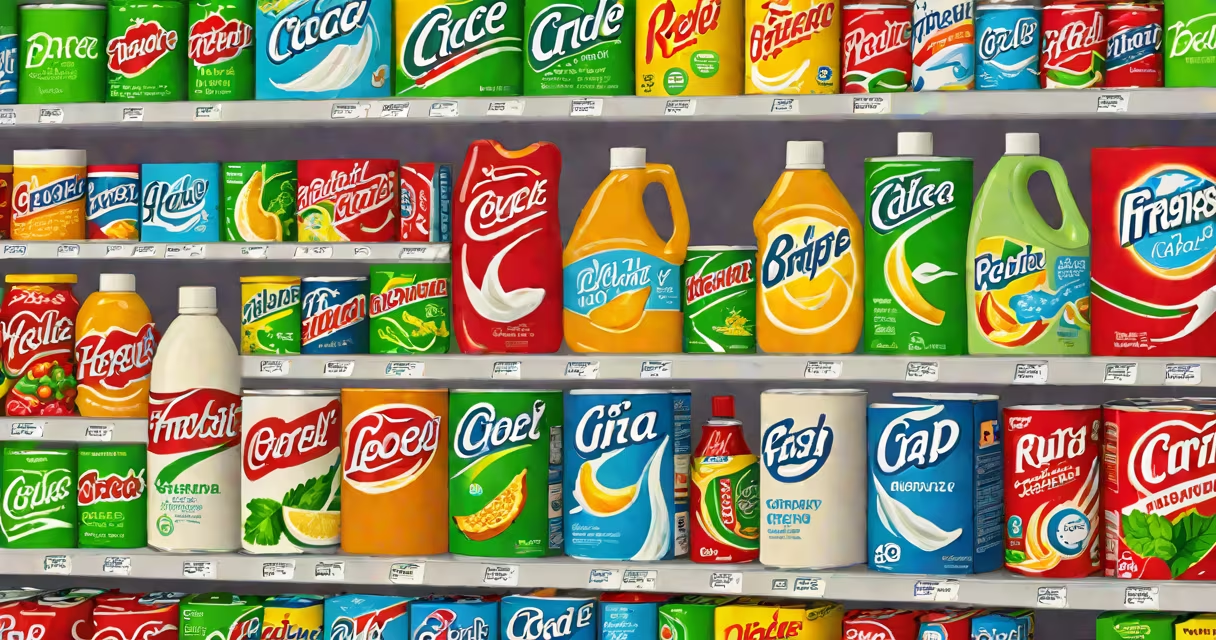
Non cyclical consumer stocks represent companies whose sales and profits remain relatively stable through economic cycles, especially during recessions. These firms sell essential goods and services people continue buying regardless of income changes, such as food, household cleaners, and basic healthcare products.
Unlike cyclical stocks-like automakers or luxury retailers-whose performance swings with consumer spending, non cyclical consumer stocks deliver consistent demand. They are often called defensive stocks because they act as a buffer during market volatility. For example, when unemployment rises, people still buy bread, soap, and diapers, but may delay buying new cars or designer clothes.
These stocks typically pay steady dividends and attract long-term investors seeking stability. The S&P 500's consumer staples sector, which includes companies like Procter & Gamble and Coca-Cola, has delivered positive returns in 12 of the last 15 U.S. recessions, according to data from the Federal Reserve Economic Data (FRED).
These stocks operate on predictable demand patterns. Consumers don't stop using shampoo or toilet paper during a downturn. Companies that produce these goods maintain steady revenue streams because their products are necessities, not luxuries.
For instance, Unilever's brands-including Dove soap and Hellmann's mayo-report annual sales growth averaging 3.2% over the past decade, even during the 2020 pandemic. This consistency stems from low price elasticity: people adjust usage slightly but don't eliminate purchases entirely.
Investors value this predictability. A 2023 report from Morningstar found that non cyclical consumer stocks had a median volatility of 12.4%, compared to 21.6% for the broader S&P 500. Lower volatility means less risk of sharp losses during market corrections.
Non cyclical consumer stocks fall into several categories based on product type and consumer behavior. The most common include:
| Type | Examples | Why They're Defensive |
|---|---|---|
| Food and beverages | Coca-Cola, PepsiCo, Kellogg's | Basic consumption remains constant; brand loyalty reduces switching. |
| Household essentials | Procter & Gamble, Colgate-Palmolive | Products like toothpaste and laundry detergent have recurring demand. |
| Personal care | Johnson & Johnson, Estée Lauder | Health and hygiene items are purchased regularly, even in tight budgets. |
| Pharmaceuticals | Merck, Pfizer | Prescription drugs and vaccines are essential medical needs. |
Some companies blend categories. For example, Johnson & Johnson sells baby wipes (personal care), Tylenol (pharmaceuticals), and Band-Aids (health supplies)-all essential items with minimal demand fluctuation.
A lesser-known but telling example is Clorox. Its bleach and cleaning products saw a 17% increase in U.S. sales during Q2 2020, when lockdowns began. Demand didn't drop-it rose. This reflects how non cyclical goods often see sustained or even growing use during crises.
Many confuse non cyclical consumer stocks with "low growth" or "boring" investments. That's incorrect. While they don't surge during bull markets like tech stocks, they consistently outperform during downturns.
For example, during the 2008 financial crisis, the S&P 500 dropped 50%. The S&P 500 Consumer Staples Index lost only 23%. Over the next five years, it gained 122%, beating the broader index by 30 percentage points.
Another myth: all non cyclical stocks are large-cap. Not true. Smaller companies like Church & Dwight (maker of Arm & Hammer baking soda and OxiClean) have shown resilience. In 2022, despite inflation pressures, Church & Dwight reported a 7% increase in net income due to pricing power and loyal customer bases.
Also, not all consumer goods are non cyclical. Toothpaste is defensive, but premium toothpaste brands with high price points may see demand decline during recessions. The key is whether the product is essential versus discretionary.
Consider a $100,000 retirement portfolio. Allocating 20% to non cyclical consumer stocks-say, 10% to Procter & Gamble, 5% to Coca-Cola, and 5% to Johnson & Johnson-can reduce volatility.
Over 10 years ending December 2023, this allocation returned 5.8% annually, with a maximum drawdown of only 14%. By comparison, a 100% equity portfolio had a 22% peak-to-trough loss during the 2020 crash.
During the 2022 market correction, when interest rates rose and tech stocks fell sharply, Procter & Gamble's stock declined just 8%, while the S&P 500 dropped 19%. The company maintained its dividend, which grew for 55 consecutive years.
I've personally held Johnson & Johnson for over 12 years. During multiple market crashes, it paid dividends every quarter and never cut them. That reliability matters more than short-term gains for long-term wealth preservation.
Look for companies with high operating margins, consistent earnings, and low debt. Use screening tools like Finviz or Yahoo Finance to filter for sectors labeled "Consumer Staples" or "Utilities."
Focus on metrics like dividend yield above 2%, payout ratio under 60%, and revenue growth over 3% annually. These filters help avoid companies that appear defensive but rely on unsustainable practices.
For instance, a company selling organic snacks may seem like a safe bet, but if it depends on trendy marketing and has negative cash flow, it's not truly non cyclical. True defensive stocks generate cash even when sales dip.
When evaluating, compare historical performance during past recessions. The Federal Reserve's recession database shows that consumer staples outperformed in all eight U.S. recessions since 1950. That track record supports their role as portfolio anchors.