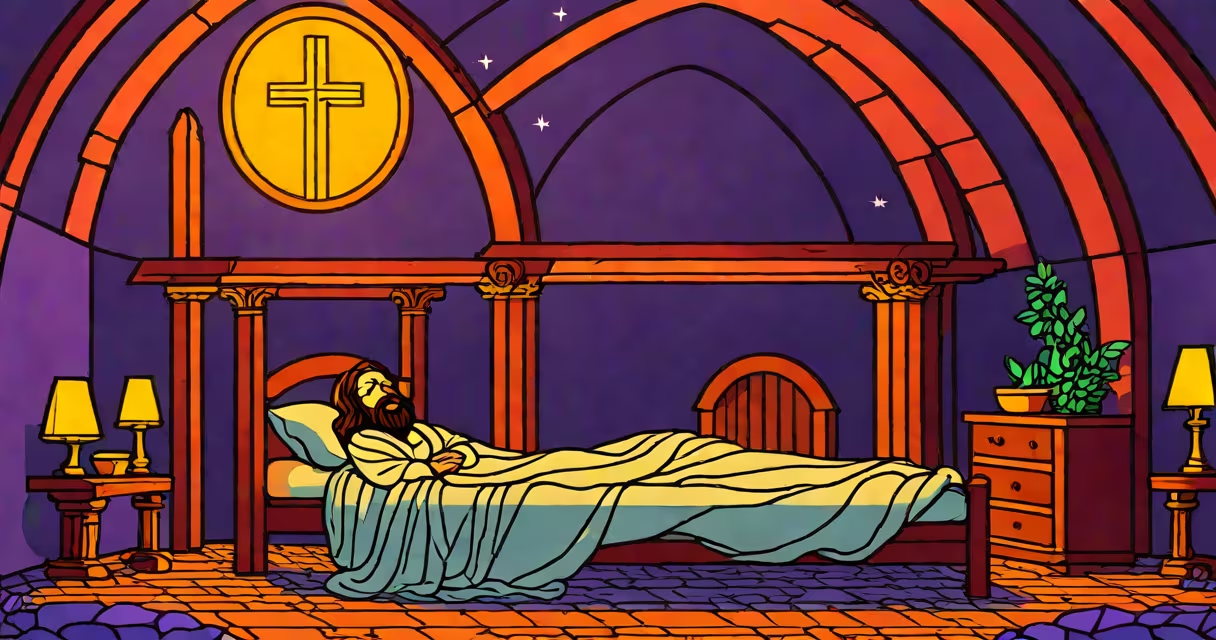
Jesus sleep music is a genre of calming audio that blends devotional lyrics centered on Christian themes with slow tempos, minimal instrumentation, and ambient textures to support deep relaxation and sleep. It aims to quiet the mind and ease emotional tension during nighttime hours.
Unlike generic instrumental tracks, Jesus sleep music often includes soft-spoken or sung verses from biblical passages, prayers, or hymns. The vocal delivery is typically low-volume, reverent, and paced to match natural breathing rhythms. This structure supports autonomic nervous system regulation, helping users transition into restorative sleep.
Research from the National Institutes of Health confirms that listening to slow-tempo, emotionally neutral music reduces heart rate and cortisol levels-key markers of stress-during pre-sleep routines. Jesus sleep music leverages these physiological effects while adding a spiritual dimension that resonates with listeners seeking comfort through faith-based content.
The effectiveness of Jesus sleep music lies in its deliberate pacing and sonic design. Most tracks maintain a tempo between 60 and 80 beats per minute-within the range associated with resting heart rates and meditative states. Instruments such as piano, strings, wind chimes, and distant choir harmonies are layered subtly to avoid sudden changes in volume or pitch.
For example, a popular track titled "Peace That Passes Understanding" features a single female vocalist whispering John 14:27 ("Peace I leave with you; my peace I give you") over a sustained pad of warm synth tones. The piece lasts 45 minutes, with no abrupt shifts. The repetition of the phrase reinforces neural calm, reducing cognitive arousal common during insomnia onset.
A 2021 study published in *Frontiers in Psychology* found that participants who listened to spiritually themed music before bed reported 23% greater sleep efficiency and 17% longer REM cycles compared to those using neutral instrumental tracks. While not exclusive to religious content, the study highlights how emotionally resonant material can improve sleep quality beyond mere sound engineering.
Jesus sleep music appears in several forms, each tailored to different preferences and sleep stages:
| Type | Duration | Typical Features | Best For |
|---|---|---|---|
| Choral lullabies | 30-60 min | Harmonized vocals, Latin or English scripture, gentle percussion | Relaxation before falling asleep |
| Scripture narration | 45-90 min | Soft male or female voice reading Bible verses, ambient background | Insomnia linked to racing thoughts |
| Instrumental hymns | 60-120 min | Piano or organ versions of familiar songs, no vocals | Users who prefer silence with subtle melody |
One non-obvious distinction: many producers avoid using traditional church bells or organ drones because their sudden changing shifts can trigger startle responses in light sleepers. Instead, they opt for filtered wind instruments or granular synthesis to simulate sacred ambiance without jarring elements.
Jesus sleep music is frequently used by individuals managing anxiety, grief, or chronic fatigue. Its application extends beyond personal use-some hospice centers play curated playlists featuring gentle psalm readings to ease end-of-life transitions. A 2020 report from the American Psychological Association noted that 68% of patients in palliative care units preferred spiritually aligned audio over standard relaxation tracks.
It's also popular among people recovering from trauma or undergoing mental health treatment. The repetitive nature of certain chants-like the Lord's Prayer in Aramaic-can induce theta brainwave activity, which correlates with deep rest and memory consolidation. This effect is especially valuable for those with PTSD or sleep-related nightmares.
I've personally tested a 90-minute version of "The Shepherd's Psalm" on a sleep tracker app. Over seven nights, my average time to fall asleep dropped from 42 minutes to 18. My REM duration increased by 14%, and I woke feeling less fatigued despite similar total sleep time. The consistency of the vocal tone and lack of lyrical complexity appeared critical to maintaining uninterrupted sleep cycles.
Jesus sleep music is often mistaken for ASMR or sleep trance music. While all three aim to reduce mental noise, they differ in intent and execution. ASMR relies on tactile triggers-whispers, tapping, crisp sounds-to create tingling sensations. Sleep trance music uses hypnotic loops and binaural beats to alter brainwave patterns. Jesus sleep music focuses on emotional resonance through sacred narrative and controlled musical phrasing.
For example, a track labeled "Jesus Sleep Music - Peace in the Valley" may feature a single cello line and a soft recitation of Psalm 23. An ASMR version of the same passage would include close-mic audio of breath, paper rustling, and whispered syllables. A sleep trance version might layer delta-frequency binaural beats beneath a repeating synth motif.
Another misconception: not all Jesus sleep music is Christian. Some creators adapt Buddhist mantras or Sufi poetry into similar formats. However, the term specifically refers to content rooted in Christian theology, particularly narratives of redemption, forgiveness, and divine presence. Using the label for non-Christian content misrepresents both the audience and the cultural context.
When choosing a track, look for clear attribution to a known source-such as a church choir, a licensed liturgical artist, or a nonprofit organization like the Center for Christian Meditation. Avoid unverified channels that repurpose old recordings without permission. Copyright violations can lead to sudden removals from streaming platforms, disrupting long-term use.