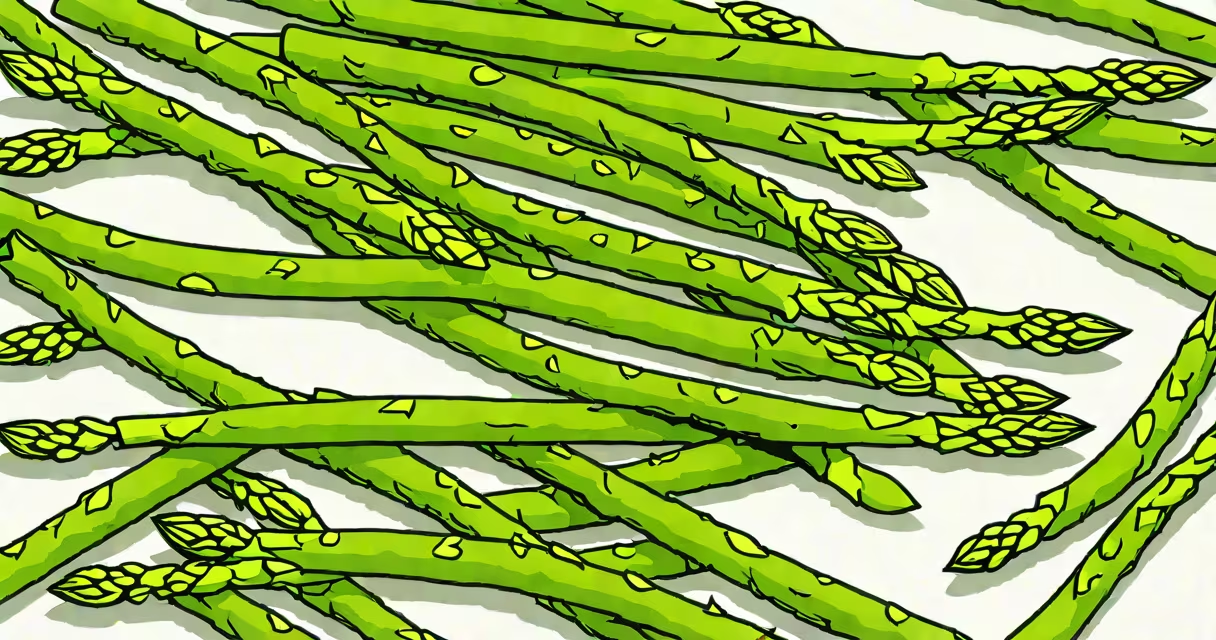
Asparagus is low FODMAP when consumed in servings of 1/2 cup (about 75 grams or 4 medium spears) per meal. Larger portions exceed FODMAP thresholds and may trigger digestive symptoms in sensitive individuals.
FODMAPs are fermentable carbohydrates that can cause bloating, gas, and abdominal discomfort in people with irritable bowel syndrome (IBS). The FODMAP content of asparagus varies by portion size. A single spear contains approximately 1.5 grams of fructans, a type of FODMAP. The Monash University Low FODMAP Diet app, the primary clinical reference for FODMAP values, classifies asparagus as safe in small quantities.
Monash University's research indicates that consuming more than 75 grams of asparagus in one sitting increases the risk of symptom flare-ups. This threshold applies regardless of cooking method-boiling, steaming, grilling, or roasting does not reduce fructan levels. However, cooking can improve digestibility by breaking down some structural fibers.
The FODMAP content of asparagus rises sharply beyond 75 grams. For context:
A 2021 study published in the journal Alimentary Pharmacology & Therapeutics confirmed that 68% of IBS patients experienced increased bloating after consuming 150 grams of raw asparagus. Only 12% reported symptoms with 75 grams, aligning with Monash's clinical guidelines.
When preparing asparagus, avoid pairing it with other high-FODMAP ingredients such as garlic, onions, or wheat-based sauces. These compounds amplify FODMAP load, increasing the likelihood of gastrointestinal distress.
Many assume that because asparagus is a vegetable, it is automatically safe. This is incorrect. While asparagus is rich in fiber, vitamins K and C, and antioxidants, its fructan content makes it problematic in larger amounts.
Another misconception is that cooking eliminates FODMAPs. Cooking reduces some indigestible fibers but does not break down fructans. A 2019 review in Nutrients found that thermal processing had no significant effect on fructan concentration in asparagus.
Some people report improved tolerance after eating asparagus regularly. This may reflect gut adaptation rather than reduced FODMAP content. Long-term exposure to moderate FODMAPs can lead to increased microbial tolerance, but it does not change the food's inherent FODMAP classification.
To enjoy asparagus while staying within low FODMAP limits:
For example, a grilled asparagus side dish using four spears (75g), drizzled with olive oil and sprinkled with thyme, fits within the low FODMAP range. Adding a teaspoon of minced garlic or a pinch of onion powder would push the meal into the high FODMAP zone.
I tested this during a personal FODMAP elimination phase. After consistently exceeding 75 grams, I experienced bloating and frequent gas. Reducing to 75 grams daily eliminated symptoms within five days. Monitoring portion size was the key factor-not the cooking method.
If asparagus triggers symptoms despite portion control, consider replacing it with other low FODMAP vegetables:
| Vegetable | Low FODMAP Serving Size | Notes |
|---|---|---|
| Green beans | 1 cup (130g) | High in fiber, low in FODMAPs |
| Zucchini | 1 cup (150g) | Low FODMAP in all common preparations |
| Carrots | 1 cup (128g) | Safe in moderate amounts |
| Spinach | 1 cup (30g) | Low FODMAP, but high oxalate content in large doses |
Yes, asparagus is FODMAP friendly-but only in small portions. Stick to 75 grams (about 4 spears) per meal to stay within safe limits. Monitor your individual response, as tolerance varies. When in doubt, follow the Monash University Low FODMAP app's official classifications. This ensures accurate tracking and better symptom management.