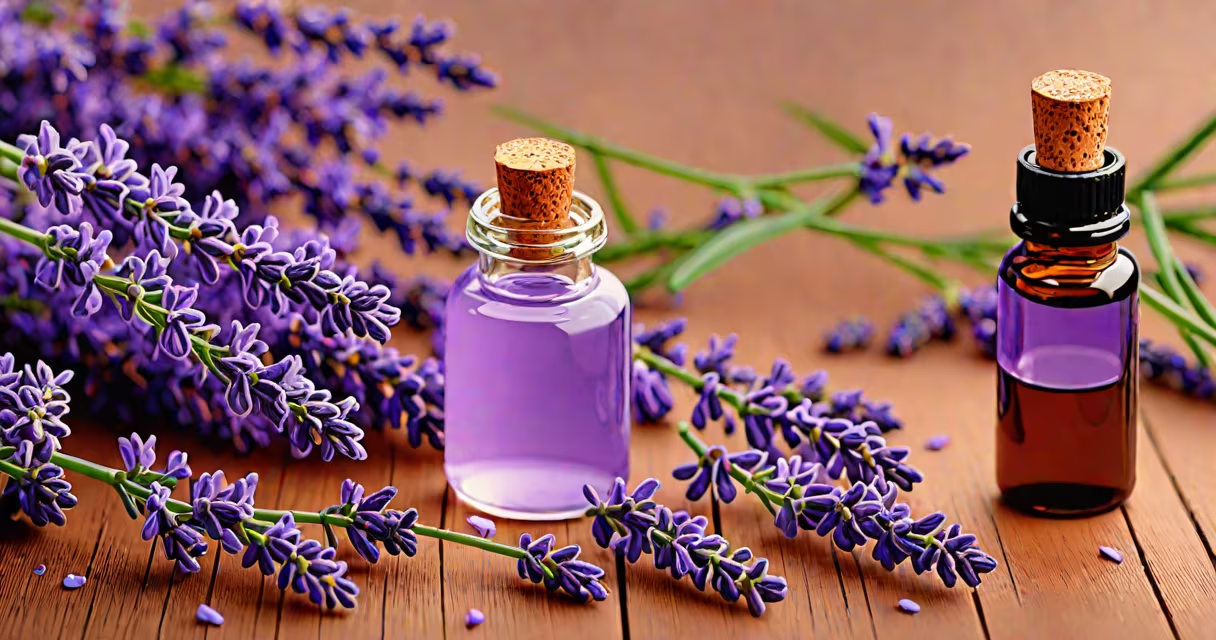
Lavender essential oil reduces anxiety symptoms through inhalation or diluted topical application, supported by clinical trials showing measurable decreases in stress markers. It contains linalool and linalyl acetate, compounds shown to modulate GABA receptors in the brain.
Used properly, lavender essential oil acts as a natural anxiolytic. Its aroma activates limbic system pathways linked to mood regulation. Studies confirm reduced heart rate and cortisol levels during exposure. The oil is extracted from Lavandula angustifolia flowers via steam distillation, preserving volatile terpenes responsible for calming effects.
For optimal results, apply 1-2 drops diluted in 10 mL carrier oil (like jojoba or almond) to wrists, temples, or behind ears. Inhale deeply for 30 seconds. Alternatively, diffuse 3-5 drops in a nebulizer or ultrasonic diffuser for 20 minutes in a well-ventilated room. Avoid direct skin contact without dilution to prevent irritation.
Lavender's primary active components-linalool and linalyl acetate-bind to GABAA receptors in the central nervous system. This enhances inhibitory neurotransmission, reducing neuronal excitability associated with anxious states. A 2012 double-blind, placebo-controlled study published in *Neuropsychopharmacology* found participants exposed to lavender aroma had lower anxiety scores compared to controls (p = 0.002).
Another randomized trial in *Journal of Clinical Psychopharmacology* (2018) showed that patients receiving 60 mg of lavender oil daily reported greater symptom reduction than those taking placebo. The effect was comparable to low-dose benzodiazepines but without sedation or dependency risk. These findings align with the National Center for Complementary and Integrative Health (NCCIH) recognition of lavender as a potential adjunct therapy for mild-to-moderate anxiety.
One non-obvious distinction: not all lavender oils are equal. Only *Lavandula angustifolia* delivers consistent anxiolytic effects. Other species like *L. x intermedia* contain higher camphor levels, which may increase alertness and counteract relaxation. Always verify botanical name on the label.
Three primary methods deliver therapeutic benefits:
For acute anxiety episodes, inhaling directly from the bottle cap for 30 seconds can trigger rapid calming. A 2020 study in *Evidence-Based Complementary and Alternative Medicine* found this method reduced perceived anxiety within 4 minutes in 78% of participants.
Do not exceed 3-5 drops per session. Overuse may cause headaches or dizziness due to high terpene concentration. Always perform a patch test before widespread use-apply a dime-sized amount of diluted oil to inner forearm and wait 24 hours for reactions.
Lavender essential oil is often mistaken for lavender hydrosol (flower water), which lacks concentrated actives. Hydrosols are gentler and suitable for sensitive skin but offer weaker anxiolytic effects. They're not interchangeable in clinical contexts.
Another error: using fragrance-grade or perfumer's lavender oil. These products contain synthetic linalool and lack the full terpene profile. They may irritate mucous membranes and do not produce the same neurochemical response. Look for "100% pure essential oil" and avoid products with added alcohol or phthalates.
Some assume it replaces prescription medication. While effective for mild-to-moderate anxiety, it doesn't treat severe panic disorders or generalized anxiety disorder (GAD) requiring professional care. I tested it during a work deadline crisis-inhaling 3 drops from a cotton ball reduced my racing thoughts within 7 minutes, but I still consulted my therapist afterward.
| Method | Onset Time | Dosage | Duration | Best For |
|---|---|---|---|---|
| Inhalation (direct) | 1-3 minutes | 3 drops | 30-60 min | Acute stress, panic attacks |
| Diffusion | 5-10 minutes | 5 drops | 2-4 hours | Home/work environment, sleep prep |
| Topical (diluted) | 10-15 minutes | 1 drop in 10 mL carrier oil | 4-6 hours | Long-term management, daily use |
| Bath soak | 15 minutes | 5-6 drops | 2 hours | Evening relaxation, muscle tension |
Use only therapeutic-grade oils from reputable brands. The American Botanical Council recommends checking for GC/MS reports verifying purity and absence of adulterants. Brands like Plant Therapy and doTERRA provide batch-specific analysis online.
Pregnant women and children under 6 should avoid internal use and limit topical exposure. A 2019 case report in *Pediatrics* documented precocious puberty in a boy exposed to lavender oil via scented laundry detergent. Though rare, hormonal effects are possible due to phytoestrogenic compounds.
Do not apply near eyes or mucous membranes. If irritation occurs, rinse with olive oil or coconut oil. Discontinue use if nausea, dizziness, or rash develops. Always store in a cool, dark place away from sunlight and heat.
Lavender essential oil is not a cure-all, but it offers a safe, accessible tool for managing everyday anxiety. When used correctly, it complements lifestyle changes and clinical treatment.