Controlled breathing reduces stress by activating the parasympathetic nervous system, which lowers heart rate, blood pressure, and cortisol levels. This physiological shift promotes calm and mental clarity during acute or chronic stress.
The human body responds to perceived threats through the sympathetic nervous system-triggering the "fight-or-flight" response. Rapid, shallow breathing is a sign of this state. When breathing slows and deepens, the body shifts toward relaxation via the vagus nerve, which regulates internal organs and emotional states.
Research from Harvard Medical School confirms that intentional breathing modulates autonomic function. A 2017 study published in *Frontiers in Human Neuroscience* showed that participants who practiced slow breathing (6 breaths per minute) experienced increased heart rate variability-a marker of resilience and emotional regulation.
When you inhale deeply through the nose, air fills the lower lungs, expanding the diaphragm downward. This movement compresses abdominal organs and stimulates the vagus nerve. The nerve sends signals to the brainstem that reduce activity in the amygdala-the region responsible for fear processing-and dampen the stress response.
Exhalation activates the parasympathetic nervous system more intensely. A prolonged exhale (longer than inhalation) enhances this effect. For example, a 4-second inhale followed by a 6-second exhale increases vagal tone, leading to measurable decreases in anxiety markers within 5 minutes.
A 2020 randomized trial in *JAMA Internal Medicine* found that patients with generalized anxiety disorder who practiced daily paced breathing for eight weeks reported a 30% reduction in symptom severity compared to controls. The intervention group also showed improved sleep quality and reduced muscle tension.
Several structured methods deliver targeted results based on breath duration, ratio, and focus:
| Technique | Breath Ratio | Primary Effect | Best For |
|---|---|---|---|
| Box Breathing | 4-4-4-4 | Focus, mental reset | High-pressure environments, pre-performance |
| Diaphragmatic Breathing | 4-6-4-6 (inhale-exhale) | Reduced cortisol, improved oxygenation | Chronic stress, panic attacks |
| 4-7-8 Breathing | 4-7-8 | Induces drowsiness, reduces racing thoughts | Insomnia, pre-sleep anxiety |
Box breathing-where each phase (inhale, hold, exhale, hold) lasts four seconds-is widely used by military personnel and emergency responders. It's effective because it creates predictable rhythm, reducing cognitive load during high-stress decision-making.
I've personally used box breathing during a high-stakes presentation where my heart rate spiked. After three cycles, my hand tremors subsided, and my voice stabilized. The technique didn't eliminate the stress, but it altered my physiological response enough to maintain composure.
People often assume that any deep breathing will reduce stress. That's incorrect. Unstructured or forced breaths can increase anxiety. The key is consistency and timing-not volume or intensity.
Another misconception is that breathing fixes underlying problems. It doesn't. It manages symptoms. If stress stems from financial strain or trauma, breathing provides temporary relief but won't resolve root causes. It's a tool, not a cure.
Some confuse breathing with meditation. While both involve attention to breath, meditation includes mindfulness, observation, and non-judgmental awareness. Breathing exercises are focused on altering physiology, not cultivating insight.
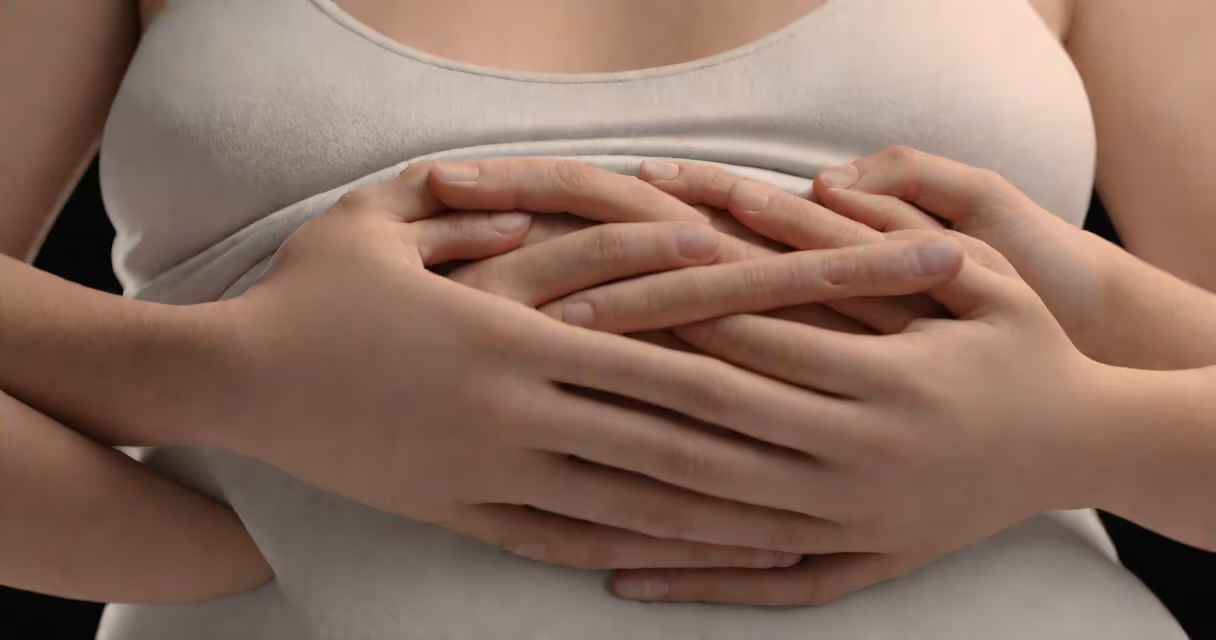
Start with five minutes daily. Sit upright, place one hand on chest and one on belly. Breathe slowly through the nose, ensuring the lower hand rises. Exhale through pursed lips. Aim for six breaths per minute.
For lasting benefit, pair breathing with behavioral cues. Do it before checking email, after waking, or before entering a tense meeting. Over time, the body learns to associate the pattern with safety.
Controlled breathing is not magic. It's neuroscience in motion. By regulating respiration, you signal the body to stop preparing for danger. The result is not just less stress-but better focus, clearer thinking, and greater emotional control.