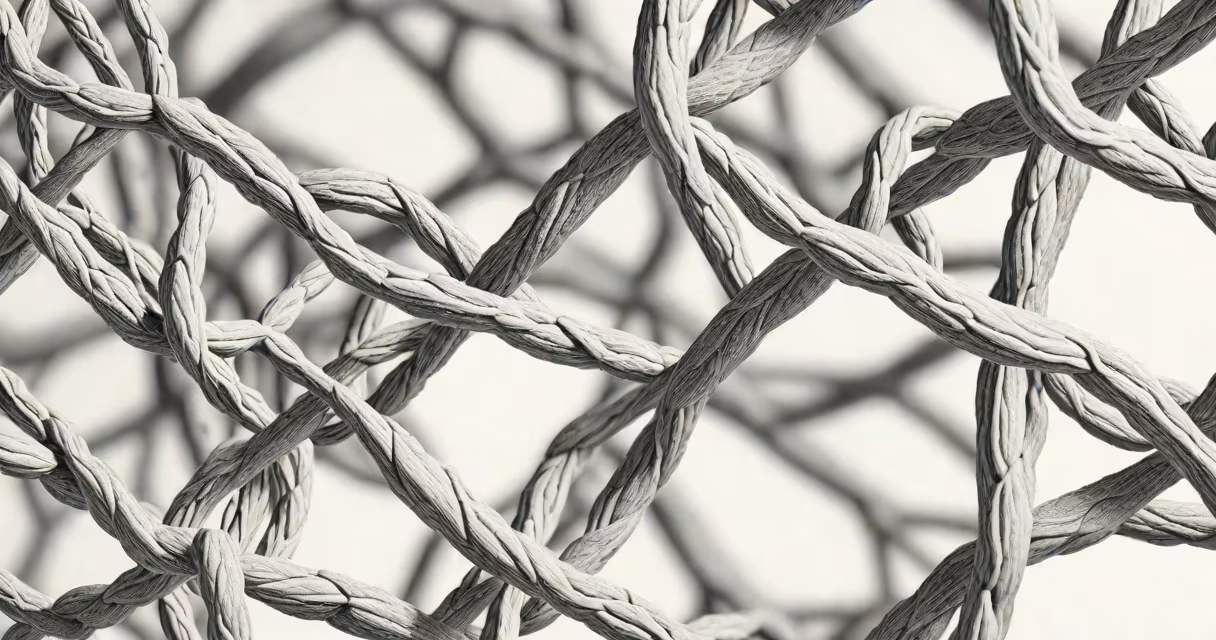
The function of protein refers to the specific biological roles proteins perform in living organisms, including catalyzing reactions, providing structural support, transporting molecules, and regulating cellular processes. Proteins are essential to nearly every biological activity and are composed of chains of amino acids folded into precise three-dimensional shapes.
Proteins derive their function from their unique structure, which results from the sequence of 20 standard amino acids. A single misfolded amino acid can disrupt a protein's ability to bind substrates, signal cells, or maintain tissue integrity. For example, hemoglobin-a protein in red blood cells-relies on its precise folding to carry oxygen from lungs to tissues. When mutated, as in sickle cell anemia, the altered shape reduces oxygen transport efficiency and causes severe health issues.
Each protein performs one or more specialized tasks based on its structure. These roles include enzymatic action, mechanical support, signaling, transport, and defense. The diversity of protein function arises from variations in amino acid sequence, folding patterns, and post-translational modifications such as phosphorylation or glycosylation.
Proteins execute their functions through molecular recognition. Their three-dimensional shape creates binding sites that fit specific targets-like a lock and key. This specificity enables enzymes to catalyze reactions without affecting unrelated pathways. For instance, the enzyme lactase breaks down lactose into glucose and galactose. Without lactase, individuals with lactose intolerance cannot digest milk sugars, leading to bloating and diarrhea.
Proteins also act as signals. Insulin, a hormone produced by pancreatic beta cells, binds to receptors on muscle and fat cells, triggering glucose uptake. In type 2 diabetes, insulin resistance develops when receptor sites fail to respond properly, disrupting blood sugar regulation. This illustrates how protein function impacts systemic health.
Some proteins form stable scaffolds. Collagen, the most abundant protein in mammals, provides tensile strength to skin, tendons, and bones. A single mutation in the COL1A1 gene leads to osteogenesis imperfecta, a condition where bones fracture easily due to defective collagen fibers. This demonstrates how a structural protein's failure affects physical integrity.
Proteins fall into several functional categories, each with distinct responsibilities:
| Function Type | Role | Example | Real-World Impact |
|---|---|---|---|
| Enzymatic | Catalyze biochemical reactions | Lactase | Digestive aid; deficiency causes lactose intolerance |
| Structural | Provide cellular and tissue support | Collagen | Deficiency leads to brittle bones and fragile skin |
| Transport | Movement of substances across membranes or through fluids | Hemoglobin | Carries oxygen; mutations cause sickle cell disease |
| Signaling | Transmit messages between cells | Insulin | Regulates blood sugar; dysfunction causes diabetes |
| Defensive | Protect against pathogens | Antibodies (immunoglobulins) | Neutralize viruses and bacteria; low levels increase infection risk |
One non-obvious fact: many proteins perform multiple functions. The protein p53, known as the "guardian of the genome," stops cell division when DNA damage occurs. It activates repair genes and triggers apoptosis if damage is irreparable. Mutations in TP53 are linked to over half of all human cancers, highlighting how a single protein can regulate both survival and death decisions.
Proteins are often mistaken for being solely involved in muscle growth. While dietary protein supports muscle synthesis, this is only one of hundreds of roles. The function of protein extends far beyond fitness-proteins govern metabolism, immunity, and neural signaling.
Another confusion arises around supplements. Creatine is a popular supplement used to improve athletic performance. However, creatine does not contain protein; it is a nitrogen-containing compound derived from amino acids. It supports ATP regeneration during high-intensity exercise but does not contribute to muscle-building via direct protein synthesis.
People assume all proteins are enzymes. But only about 15% of known proteins serve as catalysts. The majority perform structural, regulatory, or transport roles. For example, keratin in hair and nails offers protection and resilience, while fibrin forms clots to stop bleeding-neither are enzymes.
Understanding the function of protein is critical in medicine, nutrition, and biotechnology. In clinical settings, protein markers like PSA (prostate-specific antigen) are used to screen for cancer. Abnormal levels indicate potential prostate tumors, enabling early diagnosis.
In research, scientists engineer proteins for targeted therapies. Monoclonal antibodies-lab-made versions of natural defensive proteins-are used to treat autoimmune diseases and certain cancers. Rituximab, for example, targets CD20 on B-cells and is effective in treating non-Hodgkin lymphoma.
During my time working in a university lab, I observed how altering a single amino acid in a viral capsid protein disrupted its ability to enter host cells. This change prevented infection in cultured cells, demonstrating how small changes in protein structure can halt entire biological processes.
Protein function is also central to genetic engineering. CRISPR-Cas9 uses a modified protein (Cas9) to cut DNA at precise locations. The system relies on the protein's ability to recognize specific DNA sequences and cleave strands, enabling gene editing with high accuracy.
The function of protein underpins life at the molecular level. From enabling metabolic reactions to defending against infections, proteins are indispensable. Their roles span catalysis, structure, signaling, transport, and immunity-all rooted in precise amino acid sequences and folding patterns. Recognizing this diversity prevents oversimplification and informs better health decisions, scientific innovation, and medical treatments.