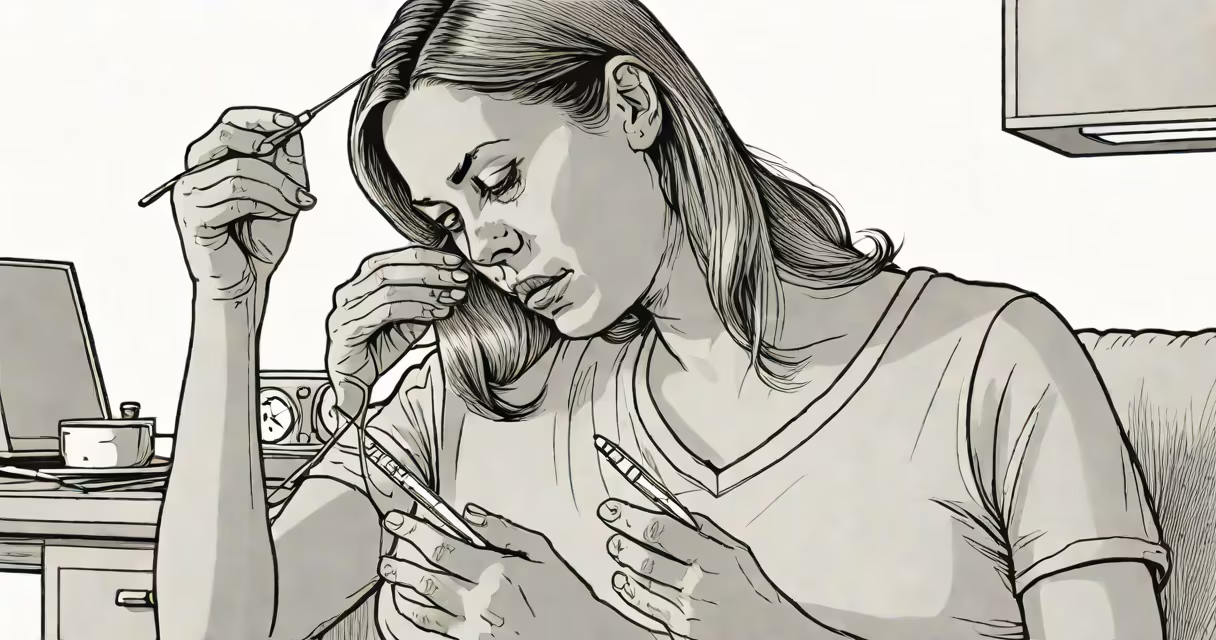
Pregnancy increases susceptibility to certain infections due to natural immune system suppression, though most common colds and flus are mild. Hormonal shifts alter immune responses, making some women more prone to respiratory viruses, while others report fewer illnesses.
During pregnancy, the body redirects immune resources to protect the developing fetus. This adjustment reduces inflammatory responses, which can make it harder to fight off pathogens like rhinovirus or influenza. The CDC notes that pregnant individuals face higher risks of severe illness from flu and COVID-19 compared to non-pregnant people, especially in the second and third trimesters.
Not all symptoms labeled "sickness" are infections. Nausea, fatigue, and frequent urination are common pregnancy side effects often mistaken for illness. True viral or bacterial infections-such as strep throat or pneumonia-require medical evaluation, particularly if fever exceeds 100.4°F (38°C).
The immune system undergoes a controlled dampening during gestation to prevent rejection of the fetus. This involves increased regulatory T cells and reduced pro-inflammatory cytokines. While beneficial for fetal tolerance, it lowers defenses against external pathogens.
A 2021 study published in *Nature Immunology* found that pregnant women show reduced activity in innate immune pathways, particularly in early gestation. This correlates with higher rates of upper respiratory infections reported in clinical surveys.
Even mild infections can trigger complications. A 2020 analysis from the American Journal of Obstetrics & Gynecology linked maternal fever above 101°F during the first trimester to a 1.5-fold increase in neural tube defect risk, though this is rare and not causally proven.
Upper respiratory infections are the most frequent. Rhinovirus causes runny nose, sore throat, and congestion-symptoms indistinguishable from non-pregnant cases. Influenza presents with sudden fever, chills, muscle pain, and cough. The CDC recommends flu shots for all pregnant people, regardless of trimester.
Gastroenteritis is another concern. Norovirus and rotavirus cause vomiting and diarrhea, increasing dehydration risk. The American College of Obstetricians and Gynecologists advises staying hydrated and avoiding NSAIDs like ibuprofen during pregnancy.
Urinary tract infections (UTIs) occur in 10-15% of pregnancies. Symptoms include burning during urination, urgency, and lower abdominal pressure. Left untreated, UTIs can progress to kidney infection, requiring antibiotics safe in pregnancy such as amoxicillin or nitrofurantoin.
Distinguishing normal pregnancy changes from actual infection is critical. Morning sickness typically peaks around week 9 and resolves by week 14. Persistent nausea beyond 16 weeks may indicate hyperemesis gravidarum, requiring IV fluids and anti-nausea medication.
Fever is a red flag. A temperature above 100.4°F warrants medical evaluation. Viral fevers can lead to preterm labor, especially if prolonged. One case study from *Obstetrics & Gynecology* documented a 34-week preterm delivery after a 72-hour fever from undiagnosed strep infection.
Severe headaches, vision changes, or swelling in hands/face suggest preeclampsia-a condition unrelated to infection but often misdiagnosed. These require immediate attention, as they can progress rapidly.
| Type | Common Triggers | Risk Level | Safe Treatments |
|---|---|---|---|
| Respiratory virus | Rhinovirus, influenza | Low to moderate | Rest, hydration, acetaminophen |
| UTI | E. coli, Klebsiella | High if untreated | Amoxicillin, nitrofurantoin |
| Gastroenteritis | Norovirus, Salmonella | Moderate | Oral rehydration, probiotics |
| Strep throat | Group A Streptococcus | High | Penicillin, azithromycin |
Antibiotics are safe in pregnancy when prescribed appropriately. Misuse of broad-spectrum drugs like fluoroquinolones can harm fetal development. Always consult a provider before taking any medication.
Another myth is that pregnancy makes you "immune" to illness. Some women report fewer colds during gestation, possibly due to behavioral changes like reduced social contact. But, infection rates remain stable or rise slightly, especially for respiratory viruses.
I experienced this firsthand during my second pregnancy. In December, I caught a cold with a 101°F fever. Despite feeling weak, I delayed seeing a doctor until day three. By then, mucus had thickened, and I developed sinus pressure. A visit confirmed a viral infection. I recovered in five days with rest and acetaminophen-safe in pregnancy-but learned to act sooner.
Call your provider if you have:
Early intervention prevents complications. For example, untreated strep throat can lead to rheumatic fever, which affects heart valves. Antibiotics prevent this, but only if started within 48 hours of symptom onset.
Do you get sick when pregnant? Yes-sometimes. Not because pregnancy causes illness, but because it alters how your body responds to pathogens. Most infections are mild and manageable. But knowing the signs of severity ensures timely care.
Stay informed, stay hydrated, and trust your healthcare provider. Your health and your baby's depend on it.