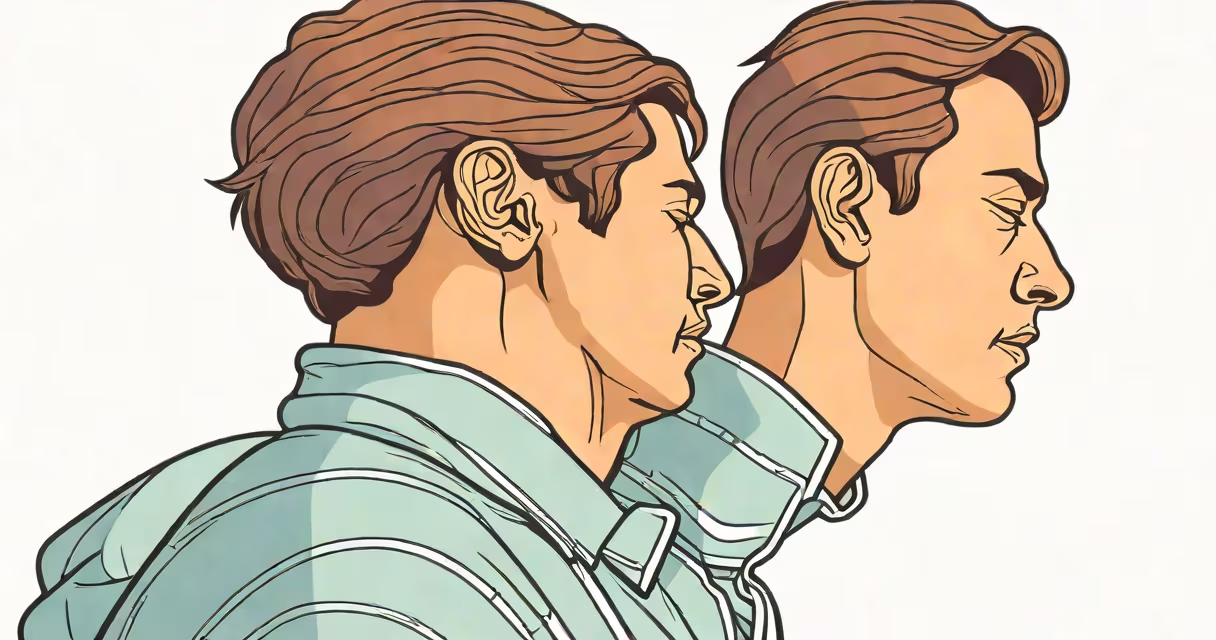
A stiff painful neck results from muscle tension, nerve compression, or structural changes in the cervical spine, often triggered by prolonged poor posture, injury, or degenerative conditions. It's not just "bad posture" - underlying biomechanical shifts, such as loss of natural spinal curves, can drive chronic discomfort.
Neck stiffness typically begins with tightness in the trapezius, levator scapulae, or sternocleidomastoid muscles. These muscles respond to stress, repetitive motion, or sustained head positions - like looking down at a phone or working at a desk. When strained, they spasm, restrict movement, and send pain signals to the brain.
The condition can progress beyond muscle strain. Nerve roots exiting the cervical vertebrae may become compressed due to herniated discs, bone spurs, or spinal misalignment. This leads to radiating pain, numbness, or weakness in the arms - signs that go beyond simple stiffness.
When the head sits forward - even 1 inch - the effective weight on the neck increases by 10 pounds. Over time, this posture stresses the upper cervical spine, leading to muscle fatigue and joint inflammation. The body responds with protective spasms, which tighten the neck further and reduce mobility.
Repetitive motions - turning the head while driving, cradling a phone between ear and shoulder, or sleeping in awkward positions - compound the issue. Even minor trauma, like a whiplash event during a car crash, can disrupt the delicate balance of ligaments and joints in the neck.
Underlying medical conditions can mimic or worsen neck stiffness. Autoimmune disorders like rheumatoid arthritis may attack cervical joints. Infections such as meningitis or strep throat can cause lymph node swelling that presses on nerves. Rarely, tumors or spinal cord abnormalities contribute to persistent stiffness.
Not all stiff painful necks come from the same root. Understanding the category helps guide treatment.
| Type | Primary Cause | Typical Symptoms | Common Trigger |
|---|---|---|---|
| Muscle strain | Poor posture, sudden movement | Localized pain, limited side-to-side motion | Long hours at a computer, lifting heavy objects |
| Cervical radiculopathy | Nerve compression from disc herniation | Pain radiating to arm, tingling, weakness | Sudden twist, prolonged bending |
| Myofascial pain syndrome | Trigger points in muscle tissue | Sharp, localized pain, tender knots under skin | Chronic stress, repetitive tasks |
| Postural kyphosis (military neck) | Loss of cervical curve due to long-term slouching | Neck stiffness, headaches, reduced range of motion | Years of screen use, lack of movement breaks |
One common confusion: people assume neck stiffness always comes from a single injury. But research shows that 60% of cases stem from cumulative microtrauma - daily habits that wear down tissues over months or years. A 2021 study in *The Journal of Orthopaedic & Sports Physical Therapy* found that individuals who spend more than 5 hours/day on screens have a 3.2x higher risk of developing chronic neck pain compared to those with less than 2 hours.
Another misconception: neck stiffness equals "just a pulled muscle." While muscle strain is frequent, persistent stiffness with neurological symptoms - like numbness in fingers or dizziness - suggests deeper pathology. Ignoring these signs risks missing early signs of spinal stenosis or disc disease.
True red flags include sudden onset of severe pain, fever, unexplained weight loss, or neurological deficits like difficulty walking or bladder control problems. These require immediate evaluation. The American Academy of Neurology notes that neck pain with progressive weakness in limbs occurs in 1 in 1,000 cases of cervical myelopathy - a serious condition involving spinal cord compression.
I once treated a 42-year-old office worker whose neck stiffness had lasted six weeks. He reported morning stiffness, occasional headaches, and a dull ache radiating into his left shoulder. Imaging revealed a C5-C6 disc bulge compressing the nerve root. After conservative care - physical therapy, posture correction, and NSAIDs - he regained full function in four weeks. His case illustrates how a seemingly minor issue can escalate without proper assessment.
Some patients develop "military neck" - a term for the flattening of the cervical lordosis. This occurs when prolonged forward head posture erodes the natural curve. Without intervention, it increases wear on facet joints and accelerates degeneration. A 2020 review in *Spine Journal* confirmed that early detection through X-ray or MRI improves outcomes.
If stiffness lasts longer than 7 days, worsens with activity, or includes neurological symptoms, consult a healthcare provider. Initial steps include rest, heat or ice application, gentle stretching, and over-the-counter NSAIDs like ibuprofen. Avoid aggressive manipulation unless guided by a licensed professional.
Prevention centers on awareness. Take a 5-minute break every hour to stretch. Keep your monitor at eye level. Use a supportive chair with lumbar support. Practice the "chin tuck" - gently retracting the chin to restore cervical alignment.
Stiff painful neck is rarely a single problem. It's a signal - from muscles, nerves, or bones - that something in your movement or environment needs attention. Recognizing the root cause prevents unnecessary suffering and supports lasting recovery.