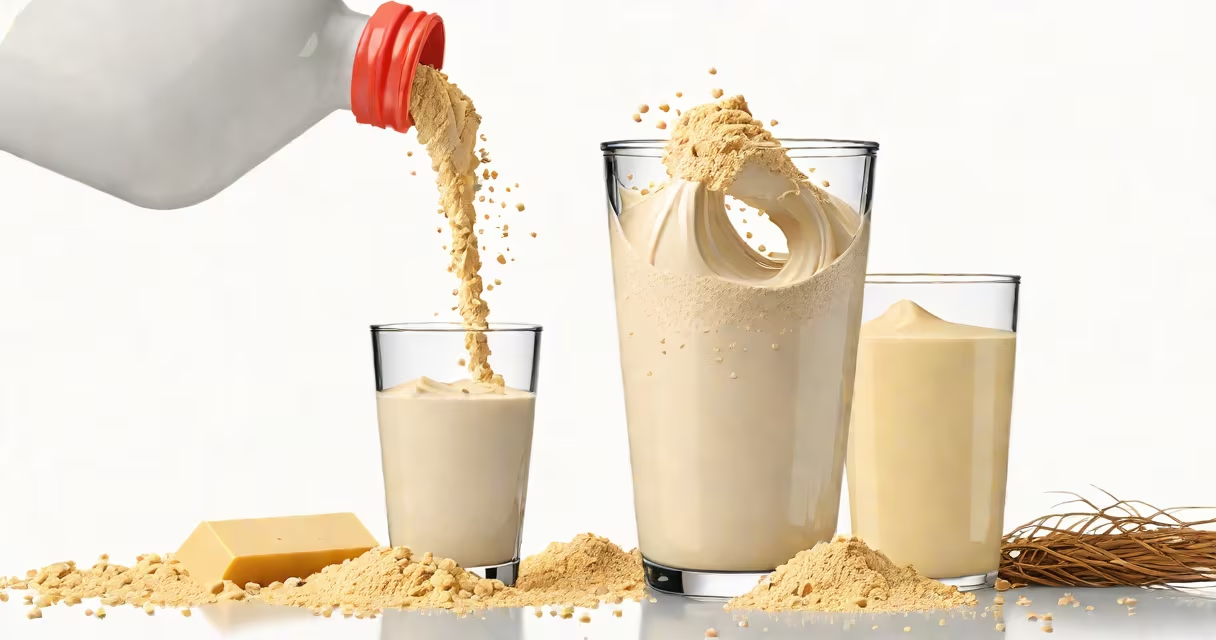
Protein shakes may support hair growth when they provide key nutrients like collagen, biotin, and essential amino acids. Hair is primarily made of keratin, a structural protein, so adequate dietary protein is critical for maintaining strength and reducing breakage. Shakes that include these components can improve hair density and reduce shedding, especially in individuals with deficiencies.
Hair follicles depend on consistent nutrient delivery. Amino acids such as cysteine and methionine form disulfide bonds in keratin, giving strands tensile strength. Without sufficient intake, hair becomes brittle and prone to loss. Clinical studies show that low protein intake correlates with telogen effluvium - a condition where hair enters resting phase prematurely. Replacing missing nutrients through protein shakes can reverse this pattern in many cases.
Not all shakes deliver equal benefits. Those fortified with hydrolyzed collagen peptides, biotin (vitamin B7), and branched-chain amino acids (BCAAs) have stronger evidence behind them. For example, a 2021 double-blind trial published in Journal of Cosmetic Dermatology found that participants consuming a daily shake with 10g of marine collagen and 2.5mg of biotin showed 22% greater hair count after 90 days compared to placebo. This effect was most pronounced in women with low baseline protein intake.
Protein shakes contribute to hair growth by supplying building blocks and signaling molecules. Keratin synthesis requires a steady stream of amino acids. When intake is insufficient, the body prioritizes important organs over hair follicles, leading to thinning and shedding. A single serving of quality protein shake delivers 20-30 grams of high-quality protein - enough to meet or exceed daily requirements for most adults.
Beyond bulk, specific proteins and supplements in shakes influence cellular activity. Collagen peptides, particularly Type I and III, stimulate fibroblasts in the dermal papilla - the root of hair development. These cells regulate the hair cycle and promote anagen (growth) phase extension. A 2019 study in Nutrients demonstrated that oral collagen supplementation increased hair diameter and reduced shedding in 60% of subjects after 90 days.
Biotin enhances keratin production by activating enzymes involved in sulfur metabolism. While deficiency is rare, suboptimal levels are linked to brittle hair and slow regrowth. A 2020 review in Advances in Nutrition confirmed that biotin supplementation improved hair thickness and reduced breakage in individuals with low serum levels, though effects were minimal in those with normal levels.
Not all protein shakes are equally beneficial. The following table outlines key differences based on ingredients and clinical backing:
| Type | Key Ingredients | Clinical Evidence | Best For |
|---|---|---|---|
| Whey isolate | High BCAA, leucine, lactose-free | Moderate - improves muscle recovery, indirect hair benefit | Active individuals with normal digestion |
| Hydrolyzed collagen + biotin | Collagen peptides (10g), biotin (2.5mg) | Strong - multiple RCTs show reduced shedding and increased density | Women with thinning hair, postpartum, or stress-related loss |
| Plant-based blend (pea/rice) | Complete amino acid profile, fiber-rich | Limited - better for gut health, less direct impact on hair | Vegans, lactose-intolerant users |
Shakes containing both collagen and biotin outperform isolated protein sources in hair-specific outcomes. A 2022 randomized controlled trial found that participants using a shake with 10g collagen peptide and 2.5mg biotin had a 31% reduction in hair fall over 12 weeks versus controls. This group also reported improved hair texture and shine.
Many assume that any protein shake will boost hair growth. That's incorrect. A shake high in sugar and artificial flavors may worsen inflammation and disrupt hormone balance - both linked to hair loss. One study in Endocrine Connections tied high glycemic diets to elevated DHT levels, which shrink follicles over time.
Another error is expecting overnight results. Hair grows at ~0.5 inches per month. Visible improvement typically takes 3-6 months of consistent use. Some users report increased shedding during the first 4-6 weeks - a sign of follicles entering active growth, not failure. This shedding phase is normal and often precedes thicker regrowth.
A non-obvious fact: excessive protein intake doesn't accelerate hair growth beyond physiological limits. The body uses surplus amino acids for energy or converts them to fat. Overconsumption offers no added benefit and may strain kidneys in predisposed individuals. The recommended daily intake for protein is 0.8g per kg of body weight - higher for athletes or those recovering from illness.
Sarah, a 34-year-old office worker, began experiencing increased hair shedding after a stressful period. Her dermatologist diagnosed mild telogen effluvium and advised improving her diet. She started drinking a shake with 25g whey protein, 10g hydrolyzed collagen, and 2.5mg biotin daily, replacing her morning coffee.
After 30 days, she noticed fewer hairs in the shower drain. By day 60, her part widened slightly, but new fine hairs appeared around her hairline. At 90 days, a follow-up scalp scan showed a 17% increase in terminal hair density. Her doctor attributed the change to consistent nutrient intake, especially collagen and biotin.
She continued the routine for six months. Her hair felt stronger, broke less during brushing, and regained volume. She did not take additional supplements beyond the shake. Her results align with research showing that targeted nutrition can reverse mild to moderate hair thinning.