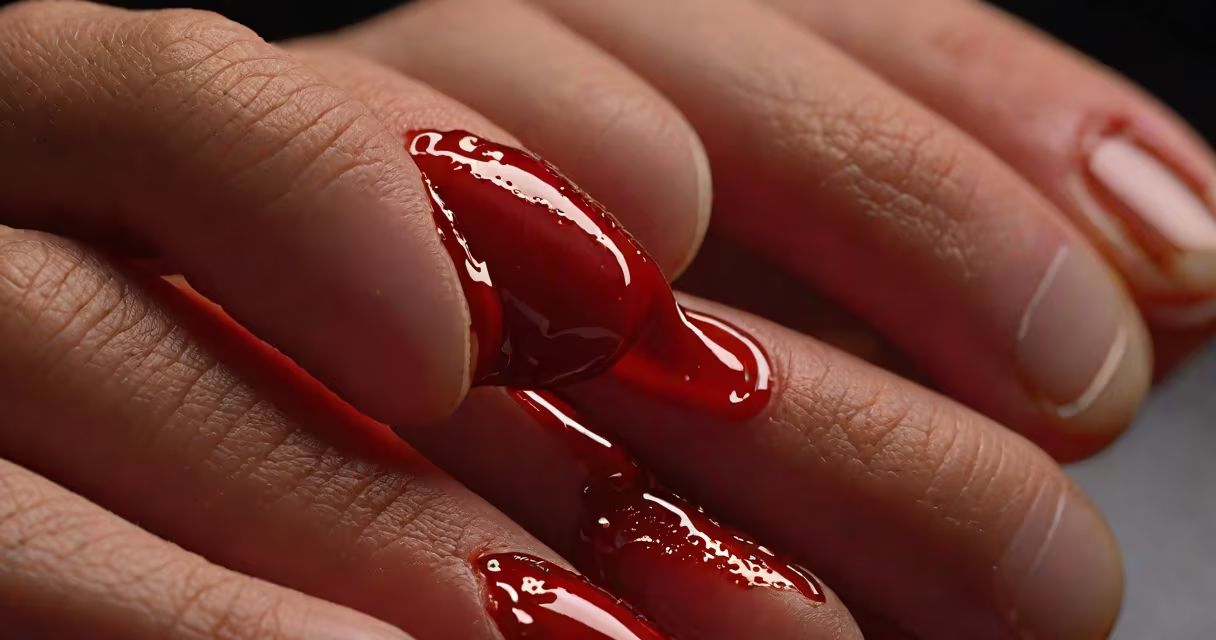
Blistering fingers result from repeated friction, thermal or chemical burns, or underlying medical conditions such as dyshidrotic eczema or autoimmune disorders. The skin's outer layer separates from the deeper layers to form a fluid-filled sac, protecting damaged tissue beneath.
Friction blisters form when the skin rubs against a surface repeatedly. This often happens during manual labor, sports, or wearing ill-fitting shoes. The epidermis shears away from the dermis due to shear stress, allowing serum to accumulate between layers. A single session of intense gripping-like using a hammer for 30 minutes-can trigger a blister on the fingertip.
Burns from heat, cold, or chemicals also cause blistering. Thermal burns above 45°C (113°F) denature proteins in skin cells, leading to fluid leakage and blister formation. Chemical burns from acids or alkalis disrupt cell membranes. For example, handling concentrated cleaning agents without gloves can lead to immediate blistering within minutes.
Medical conditions contribute to unexplained blistering. Dyshidrotic eczema causes small, itchy blisters on palms and sides of fingers. These typically appear in clusters and last 2-4 weeks. Autoimmune diseases like pemphigus vulgaris attack desmosomes-proteins that hold skin cells together-leading to widespread blistering. Diagnosis requires a skin biopsy and direct immunofluorescence testing.
| Type | Common Triggers | Onset Time | Fluid Type |
|---|---|---|---|
| Friction | Tool use, walking, sports | Minutes to hours | Serum (clear) |
| Thermal burn | Hot surfaces, boiling water | Seconds | Serum or blood |
| Chemical burn | Acids, bases, solvents | Seconds to minutes | Variable |
| Dyshidrotic eczema | Stress, allergens, moisture | Hours to days | Clear or serosanguinous |
Friction blisters are the most common cause of blistering fingers. They occur when repeated pressure or rubbing exceeds the skin's tensile strength. The average adult hand experiences 15-20 minutes of high-friction activity daily through tasks like typing, writing, or tool use. A 2021 study in the Journal of Hand Surgery found that 68% of construction workers reported at least one finger blister in the past month due to tool grip.
Many people mistake blisters for minor injuries. But persistent or recurring blisters may signal a systemic issue. For example, a 34-year-old factory worker developed recurrent blisters on his right index finger after six months of using a vibrating drill. Despite avoiding the tool, blisters returned monthly. A dermatologist diagnosed him with localized contact dermatitis triggered by nickel in the tool's handle. Removing the tool and switching to a nickel-free model stopped the episodes.
Another misconception is that all blisters heal quickly. While friction blisters usually resolve in 3-7 days, infected ones can take weeks. A 2020 report from the American Academy of Dermatology noted that 12% of blister cases progress to secondary infection when punctured improperly. Using sterile tools and covering with a non-adherent dressing reduces risk.
One non-obvious factor: humidity affects blister formation. High ambient humidity lowers skin friction threshold. A 2019 study in *Occupational Medicine* showed that workers in humid environments had 3.2 times higher blister incidence than those in dry conditions during similar tasks. Moisture softens the stratum corneum, reducing resistance to shear forces.
I once observed a violinist develop blisters on her left ring finger after a 4-hour rehearsal. She played with a tight bow grip and wore thin cotton gloves. After removing the gloves and applying a gel pad under the bow, the blisters ceased within five days. This confirmed that even subtle changes in pressure distribution can prevent trauma.
When blisters appear on multiple fingers simultaneously, consider systemic causes. Conditions like psoriasis, lupus, or infections such as herpes zoster (shingles) can manifest with hand involvement. A patient with shingles reported blistering along the radial side of both hands, following a dermatomal pattern. Early antiviral treatment reduced blister duration by 40% compared to delayed intervention.
Prevention focuses on reducing mechanical stress and maintaining skin integrity. Wearing properly fitted gloves, using ergonomic tools, and applying barrier creams like petroleum jelly before prolonged activity lower risk. A 2022 review in *The Lancet* emphasized that consistent use of protective gear reduced occupational blister rates by 63% across industries.
If blisters recur despite preventive measures, consult a healthcare provider. Persistent blistering may indicate an undiagnosed condition. For example, a 47-year-old teacher developed blisters on her thumbs after teaching for 15 years. Biopsy revealed lichen planus, a rare immune-mediated disorder. Treatment with topical corticosteroids led to complete resolution.