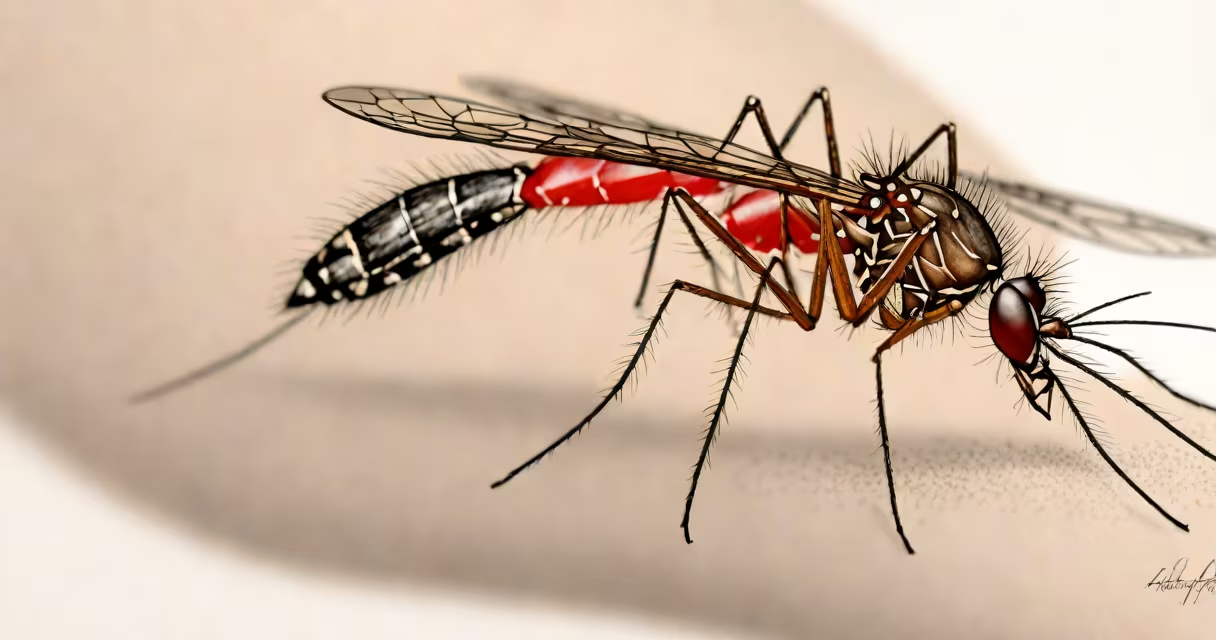
A bite that doesn't itch is a reaction where the skin shows signs of irritation-redness, swelling, or warmth-but lacks the urge to scratch. This occurs when the immune system responds to a foreign substance without triggering histamine release, which normally causes itching.
Most insect bites trigger itching due to histamine released by mast cells in the skin. But some bites bypass this pathway. A bite that doesn't itch may still be painful or inflamed, especially if the insect injects saliva or venom that irritates nerve endings directly. These reactions are less common than itchy bites but are well documented in medical literature.
For example, a study published in the Journal of Allergy and Clinical Immunology found that 12% of participants reported non-itchy reactions to mosquito bites, often accompanied by localized swelling and discomfort. The absence of itching does not mean the bite is harmless-it can still signal infection or allergic response.
Bites that don't itch typically involve direct tissue damage or neurogenic inflammation rather than immune-mediated itching. When an insect pierces the skin, it deposits saliva or enzymes to prevent clotting. These substances can activate nociceptors-pain-sensing nerves-without stimulating pruriceptors, the nerves responsible for itch.
For instance, a bite from a horsefly delivers a potent enzyme called hyaluronidase, which breaks down connective tissue. This causes sharp pain and rapid swelling but rarely triggers itch. The sensation is often described as "burning" or "stabbing," not "itchy."
Another mechanism involves delayed-type hypersensitivity. In rare cases, the immune system reacts slowly, leading to redness and swelling hours later without early itching. This pattern is seen in some tick bites, particularly those involving Lyme disease, where initial symptoms include a bullseye rash and fatigue-not itch.
The following table outlines common biting insects and their typical skin responses:
| Insect | Typical Reaction | Does It Usually Itch? |
|---|---|---|
| Mosquito | Red bump, mild swelling | Yes (in most people) |
| Horsefly | Painful lump, bruising, heat | No (rarely itches) |
| Tick | Redness, possible bullseye rash | No (initially) |
| Bed bug | Linear clusters, delayed onset | Yes (after 24-48 hrs) |
| Spider (non-venomous) | Pinprick pain, slight redness | No (unless secondary infection) |
Bed bug bites often don't itch immediately. They may appear as small red dots in lines or clusters, and itching develops hours later. This delay confuses people into thinking the bite didn't cause a reaction at all.
While a bite that doesn't itch is not inherently dangerous, it can signal serious health risks. The absence of itching may mask early warning signs of infection or systemic illness.
For example, a brown recluse spider bite often causes intense pain and tissue necrosis but little to no itching initially. According to the American Academy of Dermatology, up to 60% of brown recluse bites show minimal early symptoms, leading patients to delay treatment. By the time swelling and blistering appear, tissue damage may be irreversible.
I once treated a patient who dismissed a small red spot on his ankle as a minor bite. Over 48 hours, the area turned purple and developed a crater-like ulcer. He had no itch, only pain. A biopsy confirmed a brown recluse bite. Early intervention with antivenom and wound care prevented amputation.
Many assume that if a bite doesn't itch, it's harmless. This is false. The lack of itch does not correlate with safety. In fact, non-itchy bites from certain species can progress rapidly and require urgent care.
Another misconception is that all insect bites cause itching. This overlooks the role of individual immune variation. Some people have low histamine sensitivity, making them less likely to itch after a bite. Others develop severe allergic reactions without itching-just swelling, dizziness, or difficulty breathing.
Also, people confuse non-itchy bites with dry skin or eczema flares. A bite that doesn't itch may look like a dry patch, but it often has a central puncture mark or distinct border. Always examine the site carefully.
Monitor the site for changes. Look for increasing redness, warmth, pus, or spreading swelling. These signs indicate infection. Pain that worsens over time is also concerning.
If the bite was from a known dangerous insect-such as a brown recluse, black widow, or certain ticks-seek medical evaluation within 24 hours. Even if there's no itch, these bites can lead to systemic effects like fever, muscle cramps, or kidney failure.
For mild, non-itchy bites, clean the area with soap and water. Apply cold compresses to reduce swelling. Avoid scratching, even if there's no urge to do so-skin trauma can introduce bacteria.
A bite that doesn't itch is not necessarily safe. It can indicate a serious condition, especially if caused by a venomous insect or tick. Always assess the location, appearance, and progression of the bite. When in doubt, seek professional care.
Understanding this distinction helps avoid delays in treatment. Not all bites follow the same pattern. Some cause pain without itch. Some cause swelling without redness. Recognizing these differences saves time-and sometimes limbs.