Bipolar disorder is a mental health condition marked by intense mood episodes that alternate between periods of elevated energy (mania or hypomania) and deep depression. These shifts go beyond normal emotional ups and downs and disrupt daily functioning.
People with bipolar disorder experience distinct phases: manic episodes involving high energy, racing thoughts, reduced need for sleep, and impulsive behavior; and depressive episodes characterized by low mood, fatigue, difficulty concentrating, and feelings of worthlessness. Episodes can last days to months and often recur without treatment.
The condition affects approximately 2.8% of U.S. adults annually, according to the National Institute of Mental Health (NIMH). It typically emerges in late adolescence or early adulthood, though onset can occur in childhood or later life. Without intervention, episodes may worsen over time, increasing risk of suicide and social impairment.
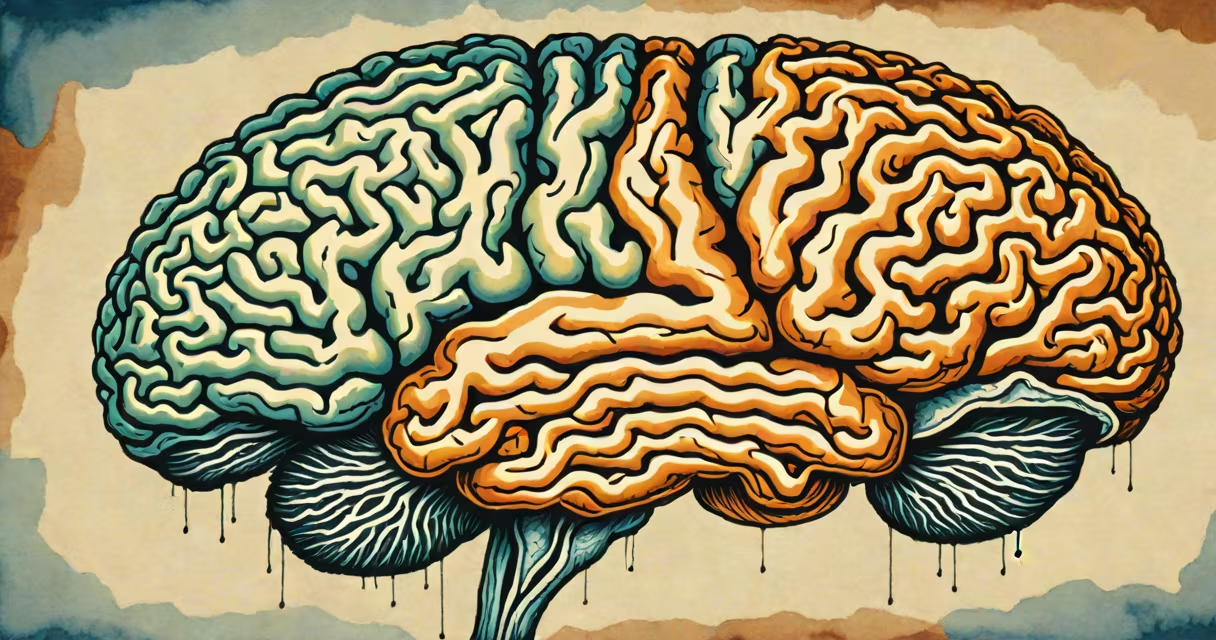
Bipolar disorder results from complex interactions between genetics, brain chemistry, and environmental stressors. Neuroimaging studies show differences in brain structure and activity patterns in people with the condition, particularly in regions regulating emotion and decision-making.
Neurotransmitters such as dopamine, serotonin, and norepinephrine play key roles. During manic phases, dopamine levels surge, leading to heightened arousal and impulsivity. In depressive phases, these chemicals drop, contributing to lethargy and sadness. Hormonal imbalances and chronic stress can trigger or worsen episodes.
A 2021 study published in *The Lancet Psychiatry* found that individuals with bipolar disorder have altered connectivity in the prefrontal cortex and limbic system, which governs emotional regulation. This biological basis supports the diagnosis as a neurological condition, not simply a personality trait or weakness.
There are three primary clinical subtypes of bipolar disorder, each defined by the pattern and severity of mood episodes:
| Type | Manic Episode Duration | Depressive Episode | Key Features |
|---|---|---|---|
| Bipolar I | At least 7 days (or hospitalization) | Often present | Full manic episodes; may include psychosis |
| Bipolar II | At least 4 days of hypomania | Persistent major depression | No full mania; frequent depressive episodes |
| Cyclothymia | Chronic mild mood swings | Mild depressive symptoms | Stable for at least 2 years; less severe but persistent |
Some people experience rapid cycling-four or more mood episodes within a year. This pattern occurs in about 10-20% of patients and increases suicide risk. Mixed states, where manic and depressive symptoms occur simultaneously, are especially dangerous and require urgent care.
One non-obvious distinction: hypomania (in Bipolar II) is not the same as mania. Hypomania lacks psychotic features and doesn't cause significant functional impairment. However, it still requires treatment because untreated episodes can escalate into full mania.
Diagnosing bipolar disorder relies on clinical criteria outlined in the DSM-5 (Diagnostic and Statistical Manual of Mental Disorders, Fifth Edition). A qualified mental health professional evaluates symptom history, duration, and impact on work, relationships, and self-care.
Common misconceptions include equating bipolar disorder with "moodiness" or "personality quirks." Unlike typical emotional fluctuations, bipolar episodes are prolonged, disruptive, and often unprovoked. For example, someone may suddenly quit their job during a manic episode due to grandiose ideas, then spend weeks unable to leave bed during a depressive phase.
Another error is assuming that only mania defines the illness. Depression dominates the experience for many-up to 90% of people with bipolar disorder report more depressive than manic days. This imbalance leads to underdiagnosis and delayed treatment.
I once observed a patient diagnosed with major depression for eight years who showed clear signs of past manic episodes only after reviewing old records. His sudden spending sprees, insomnia, and risky decisions were dismissed as "stress reactions." Once correctly identified, his treatment shifted from antidepressants alone to mood stabilizers, drastically improving stability.
Effective management combines medication, psychotherapy, and lifestyle strategies. Mood stabilizers like lithium and anticonvulsants (e.g., valproate, lamotrigine) are first-line treatments. Antipsychotics such as quetiapine or lurasidone are used for acute mania or mixed states.
Psychotherapy-especially cognitive behavioral therapy (CBT) and interpersonal and social rhythm therapy (IPSRT)-helps patients recognize triggers, regulate routines, and improve coping skills. Regular sleep schedules and stress reduction are critical; even minor disruptions can precipitate relapse.
For severe cases, electroconvulsive therapy (ECT) may be used when medications fail or when suicidal ideation is present. Research shows ECT reduces hospitalization rates and improves outcomes in treatment-resistant bipolar disorder.
Early intervention improves long-term prognosis. According to NIMH, individuals who receive treatment within two years of onset have better recovery rates and lower relapse risk. Delayed diagnosis increases the likelihood of substance abuse, financial instability, and suicide attempts.
With proper treatment, many people maintain employment, sustain relationships, and engage in meaningful activities. Recovery is not about eliminating mood swings entirely but learning to manage them effectively.