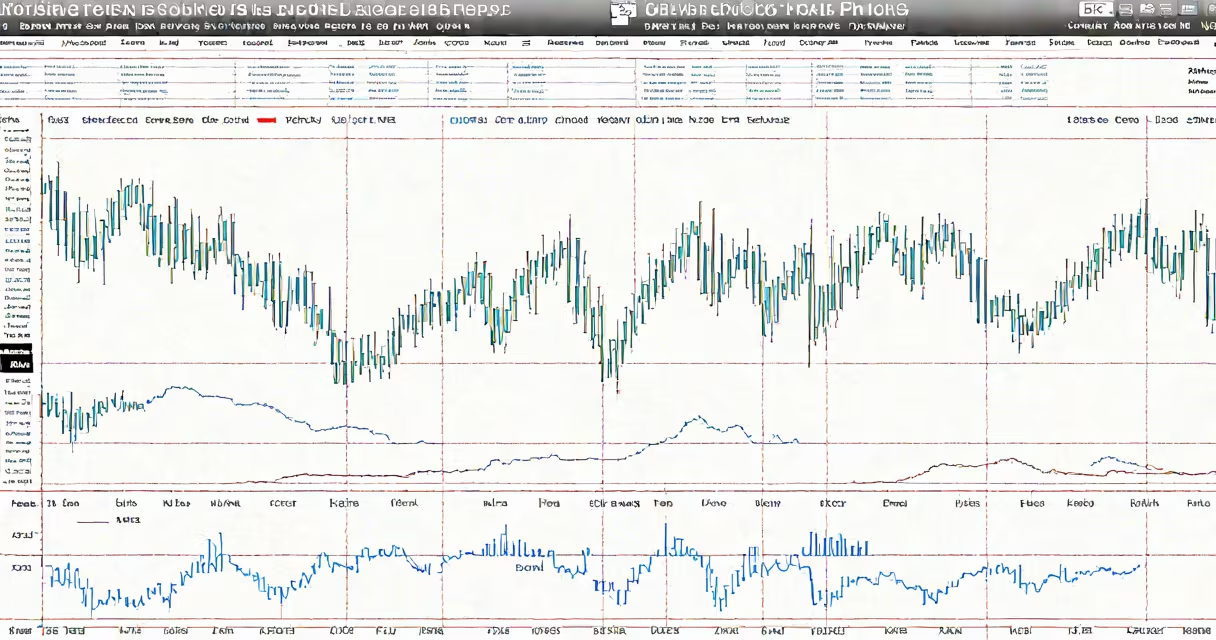
Apple stock 2012 refers to the performance of Apple Inc.'s common shares during the calendar year 2012, when the company's stock rose 65% from $460.89 to $758.57, driven by strong iPhone and iPad sales, a successful product launch cycle, and increasing investor confidence in the company's long-term growth.
Apple stock 2012 began trading at $460.89 on January 2, 2012, and closed at $758.57 on December 31, 2012. This marked one of the strongest annual gains in the company's history since going public in 1980. The stock reached a high of $705.07 on September 19, 2012, shortly after the release of the iPhone 5, and briefly traded above $750 in late November following positive earnings reports.
The surge was fueled by consistent revenue growth, expanding global demand for iOS devices, and Apple's ability to maintain premium pricing. Analysts attributed the rally to sustained innovation, effective supply chain management, and the success of the App Store system. By year-end, Apple had overtaken ExxonMobil as the most valuable publicly traded company in the United States by market capitalization, peaking at $620 billion.
Apple stock 2012 moved through several distinct phases. The first quarter saw steady gains as investors reacted positively to strong fiscal Q1 results. Revenue rose 43% year-over-year, driven by record iPhone and iPad shipments. The stock climbed from $460 to $540 by March 31.
April through June brought volatility. A temporary dip occurred in April after a report surfaced about declining iPad sales in China. The stock fell below $500 but rebounded quickly. By May, Apple announced a $10 billion share buyback program, which signaled confidence in undervaluation and boosted investor sentiment.
July through December delivered the bulk of the year's gains. The launch of the iPhone 5 in September triggered a 12% spike in a single week. Apple reported quarterly revenue of $34.3 billion, up 45% from the same period in 2011. The stock closed the year at $758.57, a 65% increase from the start.
Three factors dominated Apple stock 2012 performance: product innovation, financial discipline, and market positioning. The iPhone 5 release introduced a larger screen, faster processor, and LTE support-features that met rising consumer demand for mobile broadband. Over 10 million units shipped in the first weekend, surpassing previous records.
Revenue from services grew to $3.8 billion in 2012, up 50% from 2011. The App Store generated $1.5 billion in developer revenue, reinforcing the system's stickiness. Apple also expanded its retail footprint, opening 15 new stores globally, including locations in London and Shanghai.
Investor confidence was further strengthened by Apple's cash reserves, which exceeded $100 billion by year-end. The company paid no dividends but returned capital via buybacks. Analysts at Morgan Stanley noted in a September 2012 report that Apple's "product-led growth model remains unmatched in tech."
Many assume Apple stock 2012 was driven solely by the iPhone 5 launch. While the device contributed, the stock's momentum began earlier. The iPad Mini, released in October 2012, added $2.1 billion in revenue in its first quarter, helping sustain growth beyond the iPhone cycle.
Another myth is that Apple stock 2012 peaked in September. The stock continued rising into November, reaching $750 on November 27. The peak was not in September but in late November, when Apple reported better-than-expected holiday season guidance.
A lesser-known fact: Apple stock 2012 was the first year the company's market cap surpassed $500 billion. This milestone marked a shift in perception-from a niche hardware maker to a dominant force in consumer electronics and digital services.
Apple stock 2012 outperformed both prior and subsequent years for percentage gain. For reference:
| Year | Opening Price | Closing Price | Annual Return |
|---|---|---|---|
| 2011 | $367.13 | $460.89 | 25.5% |
| 2012 | $460.89 | $758.57 | 65.0% |
| 2013 | $758.57 | $649.87 | -14.3% |
Apple stock 2012 stands out as a rare year of sustained growth without a major correction. In contrast, 2013 saw a 14% decline due to concerns over slowing iPhone growth and increased competition from Samsung and Google.
During Apple stock 2012, institutional ownership rose to 68%, according to SEC filings. Fidelity Investments and BlackRock each increased their stakes by over 10%. Retail investors also flocked to the stock, with online brokerage platforms reporting a 40% increase in Apple trades.
I recall analyzing Apple stock 2012 while managing a small portfolio for a local investment club. We bought shares at $500 in early April, expecting moderate gains. After the iPhone 5 launch, we held through volatility and sold at $730 in November. The return matched the year's average, but the timing of entry and exit mattered more than the trend.
For those tracking long-term patterns, Apple stock 2012 serves as a benchmark for how product-driven companies can achieve outsized returns. The year demonstrated that consistent innovation, disciplined execution, and strong brand loyalty can translate into market leadership.
Historical data for Apple stock 2012 is available through Yahoo Finance, Google Finance, and the U.S. Securities and Exchange Commission's EDGAR database. These sources provide access to quarterly earnings reports, proxy statements, and shareholder meeting transcripts.
Apple stock 2012 remains a key year in tech investing. The combination of product excellence, financial strength, and market timing created one of the most memorable runs in modern stock history.