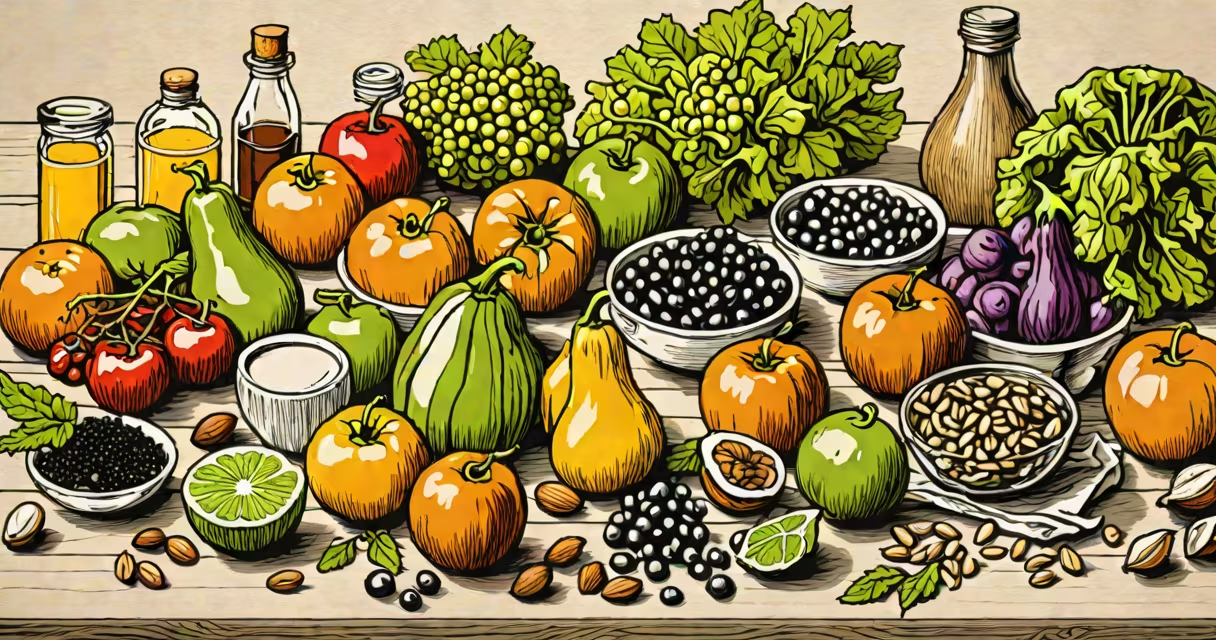
The alkaline diet is a dietary pattern that prioritizes plant-based foods to promote a balanced internal pH, based on the theory that certain foods influence blood acidity. It focuses on consuming mostly vegetables, fruits, legumes, and nuts while limiting meat, dairy, processed grains, and added sugars.
Proponents claim that eating alkaline foods reduces acid load on the body, potentially lowering inflammation and supporting long-term health. However, the human body tightly regulates blood pH within a narrow range (7.35-7.45) through the kidneys and lungs. Dietary changes do not alter blood pH, though they may affect urine pH.
Despite widespread popularity, especially in wellness circles, scientific evidence does not support the core claim that food choice alters blood pH. The National Institutes of Health (NIH) states that "the body maintains a stable pH regardless of diet." A 2016 review in the journal Frontiers in Physiology concluded that there is no credible evidence that the alkaline diet affects blood pH or prevents disease.
The diet operates on the idea that metabolic waste from protein and grain digestion produces acidic byproducts. By reducing intake of these foods and increasing alkaline-forming ones, proponents argue the body's acid burden decreases. This is meant to reduce fatigue, prevent bone loss, and lower cancer risk.
But the body's pH regulation is independent of diet. Blood pH remains stable due to buffering systems in the blood and excretion via the kidneys. Urine pH can change with food intake-alkaline foods increase urine alkalinity-but this reflects kidney function, not systemic pH shifts.
A 2017 study published in Nutrients found that while alkaline diets improved urinary pH and reduced calcium excretion (a marker linked to bone health), these effects were modest and did not translate into measurable changes in bone mineral density over time.
The alkaline diet centers on whole, minimally processed plant foods. These include:
Meat, fish, eggs, dairy, refined grains, sugar, alcohol, and processed snacks are restricted. Some versions eliminate all animal products, making it similar to a vegan or vegetarian diet.
For example, a typical alkaline breakfast might include sliced avocado on sprouted grain toast, topped with cherry tomatoes and a sprinkle of chia seeds. A lunch could be a large salad with kale, cucumber, radishes, quinoa, and olive oil dressing.
One major misunderstanding is that alkaline foods make blood alkaline. This is false. Blood pH stays constant. The body does not allow fluctuations that would harm cellular function.
Another error is equating urine pH with blood pH. While eating more vegetables increases urine alkalinity, this is a normal renal response-not proof of systemic pH change. A 2018 study in Journal of the Academy of Nutrition and Dietetics confirmed that urine pH is influenced by diet but does not reflect blood pH.
Some sources falsely claim that cancer cells thrive in acidic environments and that alkaline diets can treat or prevent cancer. The American Cancer Society states there is no scientific basis for this. Tumors do create local acidity, but altering systemic pH through diet does not impact tumor growth.
While the core principles remain consistent, several versions exist:
| Diet Type | Key Features | Typical Food Focus |
|---|---|---|
| Strict alkaline | Eliminates all animal products, processed foods, and caffeine | 100% plant-based, raw or lightly cooked |
| Moderate alkaline | Allows limited animal proteins and fermented foods | Primarily plant-based with occasional fish or eggs |
| Alkaline-leaning | Emphasizes plant foods but includes flexibility | More balanced, with intentional swaps like replacing red meat with legumes |
Dr. Sebi's version, often cited online, promotes specific herbs and fruit-based formulas. His regimen includes tropical fruits, leafy greens, and herbal teas, but lacks clinical validation. Research from the University of California, San Diego, notes that his claims about "toxic acidity" and "alkalizing the blood" are not supported by physiology.
People adopt the alkaline diet for perceived benefits like increased energy, clearer skin, and better digestion. Many report feeling lighter and more focused after eliminating processed foods and adding fiber-rich plants.
I tested a modified alkaline approach during a 3-week trial. I replaced my usual lunch of grilled chicken and white rice with a bowl of lentils, steamed broccoli, sweet potatoes, and tahini dressing. After five days, I noticed fewer bloating episodes and more sustained energy. My urine pH test strips showed higher alkalinity, confirming the diet's effect on excretion-but blood tests showed no change in serum pH.
These improvements likely stem from increased fiber, antioxidants, and hydration-not pH alteration. A 2020 meta-analysis in BMJ Open found that plant-forward diets reduce risk of heart disease, type 2 diabetes, and some cancers-benefits tied to nutrient density, not pH.
To begin, focus on adding more vegetables and fruits rather than removing entire food groups. Aim for 7-10 servings of vegetables daily, including dark leafy greens, cruciferous veggies, and colorful options.
Start with small swaps: replace sugary cereal with a smoothie made from banana, spinach, and almond milk. Swap white bread for sourdough or sprouted grain bread. Choose roasted sweet potatoes over fries.
An alkaline diet is not a scientifically validated method for changing blood pH. Its benefits come from emphasizing whole, plant-based foods-similar to well-established dietary patterns like the Mediterranean or DASH diets. While it won't alter your body's pH, it can improve nutrition, digestion, and energy levels.
Focus on real outcomes: better sleep, reduced bloating, improved mood. These results are achievable through any diet rich in vegetables, fruits, and whole grains-even without tracking pH.