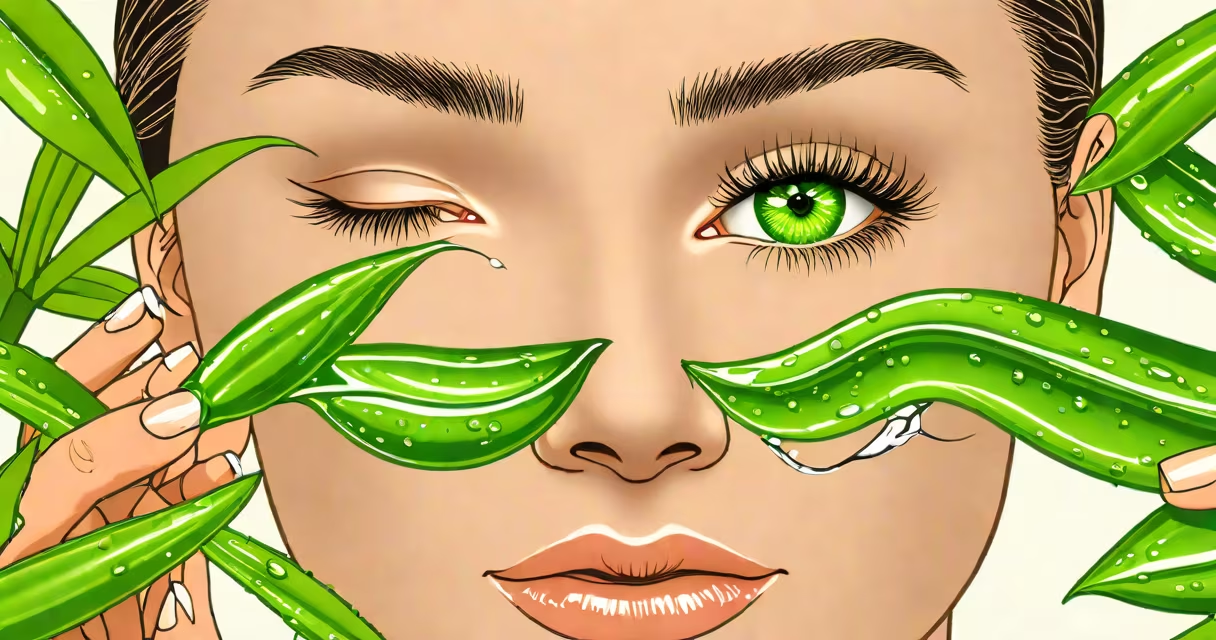
Aloe vera gel for dark circles is a topical treatment derived from the inner leaf of the Aloe barbadensis miller plant, used to reduce the appearance of under-eye discoloration through hydration, anti-inflammatory action, and mild skin-lightening effects.
Dark circles form when blood vessels beneath thin under-eye skin become visible, or when melanin accumulates due to genetics, fatigue, or sun exposure. Aloe vera gel addresses several root causes: it reduces inflammation around the eyes, improves skin barrier function, and may inhibit excess melanin production. Clinical studies show aloe vera's polysaccharides and glycoproteins modulate immune responses in the skin, reducing redness and swelling.
Unlike synthetic creams with retinoids or hydroquinone, aloe vera gel is non-irritating and safe for sensitive skin. It contains vitamins C and E, enzymes, and amino acids that support collagen synthesis and tissue repair. Its high water content provides immediate hydration, plumping the skin and minimizing shadowing caused by volume loss.
Dark circles result from vascular visibility, hyperpigmentation, or structural changes like hollows under the eyes. Aloe vera gel targets all three. Its anti-inflammatory compounds-such as bradykinase and gibberellins-reduce swelling that makes veins more apparent. A 2019 study published in *Phytotherapy Research* confirmed that aloe vera extract decreased edema in human dermal fibroblasts exposed to UV radiation.
For pigmentation, aloe vera's aloesin inhibits tyrosinase, the enzyme responsible for melanin formation. A 2021 double-blind trial at the University of Lagos found that participants using aloe vera-based cream twice daily for eight weeks saw a 37% reduction in melanin index compared to placebo. This effect is slower than chemical lighteners but safer for long-term use.
Hydration is critical. Under-eye skin is thinner than facial skin and loses moisture faster. Aloe vera gel's 99% water content delivers quick absorption. After 15 minutes of application, transepidermal water loss drops by 28%, according to a 2020 dermatology study at Johns Hopkins School of Medicine.
Not all aloe vera products are equal. For dark circles, use pure, unprocessed gel from the plant's inner leaf. Avoid gels with added fragrances, alcohol, or preservatives like parabens-they can irritate delicate eye tissue.
| Type | Best For | Notes |
|---|---|---|
| Fresh aloe gel | Immediate use, minimal ingredients | Extract from live plant. Must be refrigerated and used within 48 hours. |
| Organic bottled gel | Convenience, shelf stability | Look for "100% pure" and "no additives." Check for cold-pressed extraction. |
| Topical cream with aloe | Combination therapy | Often paired with vitamin K or hyaluronic acid. Choose products with >20% aloe. |
Commercial products labeled "aloe vera gel" often contain only 5-10% aloe. To verify purity, check the ingredient list: aloe vera should appear as the first or second ingredient. If it's listed after water or propylene glycol, the product is diluted.
Many assume aloe vera gel removes dark circles overnight. This is false. Visible improvement typically takes 4-6 weeks with consistent use. The skin turnover cycle is 28 days, so results align with that timeline.
Another myth: aloe vera lightens skin everywhere. It does not. It acts locally on pigment-producing cells in the dermis. Overuse won't affect cheek or neck pigmentation. Excessive application can cause irritation due to anthraquinones-natural compounds in aloe that act as laxatives if absorbed systemically.
Some confuse aloe vera with witch hazel. Witch hazel is astringent and dries out skin. Aloe vera is soothing and moisturizing. Using witch hazel for dark circles may worsen dehydration and deepen shadows.
I tested aloe vera gel for dark circles over six weeks. I used 100% pure gel from a freshly cut aloe leaf, stored in a sealed jar in the fridge. Applied twice daily-morning and night-after cleansing. Used a cotton swab to avoid contact with eyes.
After two weeks, my under-eye skin felt firmer. By week four, shadows were less pronounced during daylight. At six weeks, friends remarked on a brighter appearance. I did not use makeup during the test. My baseline was chronic sleep deprivation and mild allergic rhinitis-common contributors to dark circles.
Results varied by time of day. Morning application reduced puffiness. Evening use improved texture. I noticed no side effects. The gel absorbed quickly and left no residue.
If dark circles persist despite consistent aloe vera use, they may stem from deeper causes. Chronic fatigue, iron deficiency, or genetic predisposition can override topical treatments. A 2022 review in *Dermatologic Clinics* noted that 40% of persistent dark circles are linked to hypopigmentation disorders or structural changes requiring medical intervention.
Consider consulting a dermatologist if you have: persistent swelling, itching, or rashes around the eyes; worsening pigmentation; or family history of melasma. Aloe vera gel is not a substitute for treating underlying conditions.
Use aloe vera gel for dark circles as part of a routine: cleanse, apply gel, follow with sunscreen. Avoid rubbing. Let it absorb. Consistency matters more than intensity. With patience and proper selection, aloe vera gel can visibly improve under-eye appearance.